Backyard & Outdoor Staging: Patios, Decks, and Yards That Photograph
The exterior shots buyers scroll to, and how to make them sing.
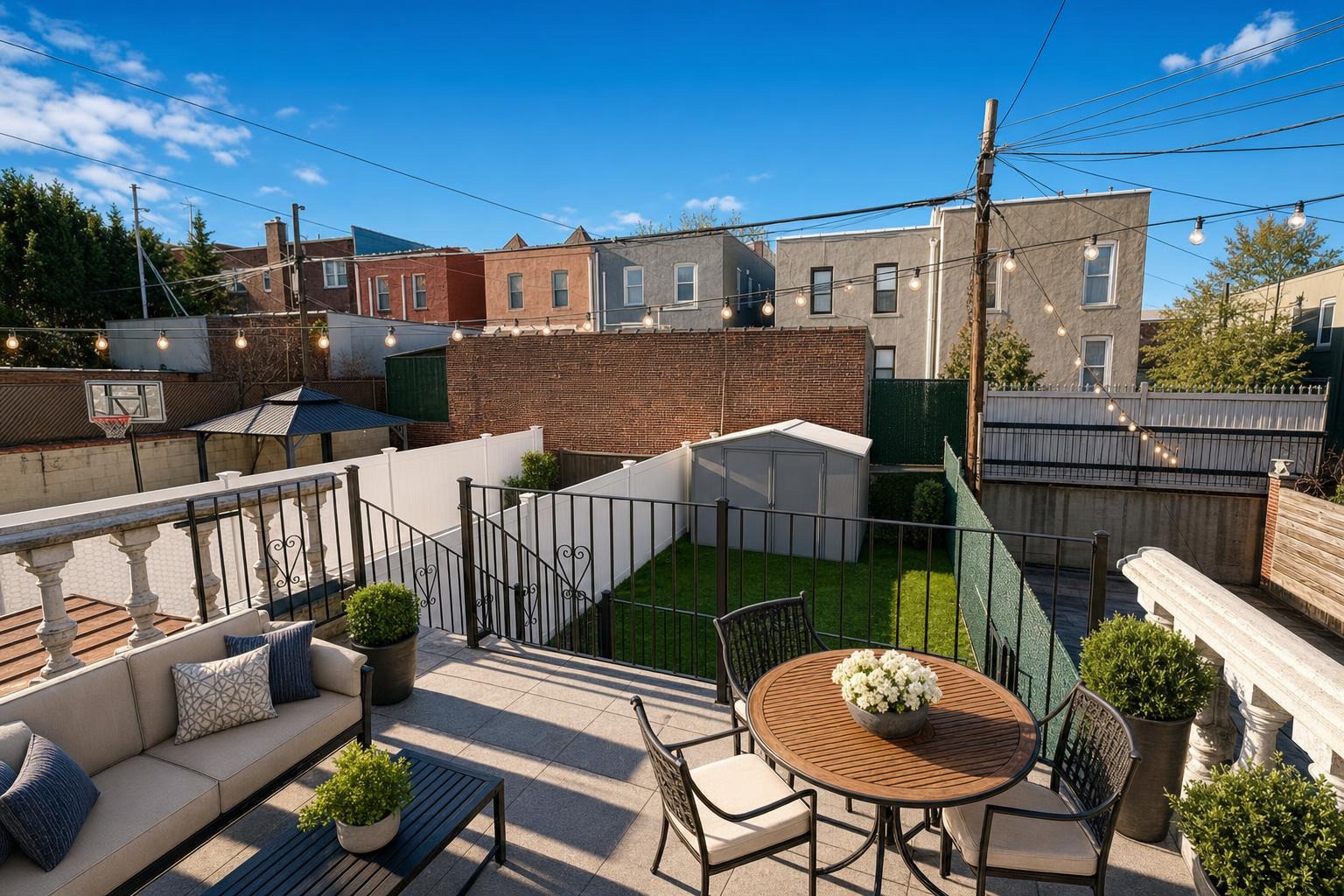
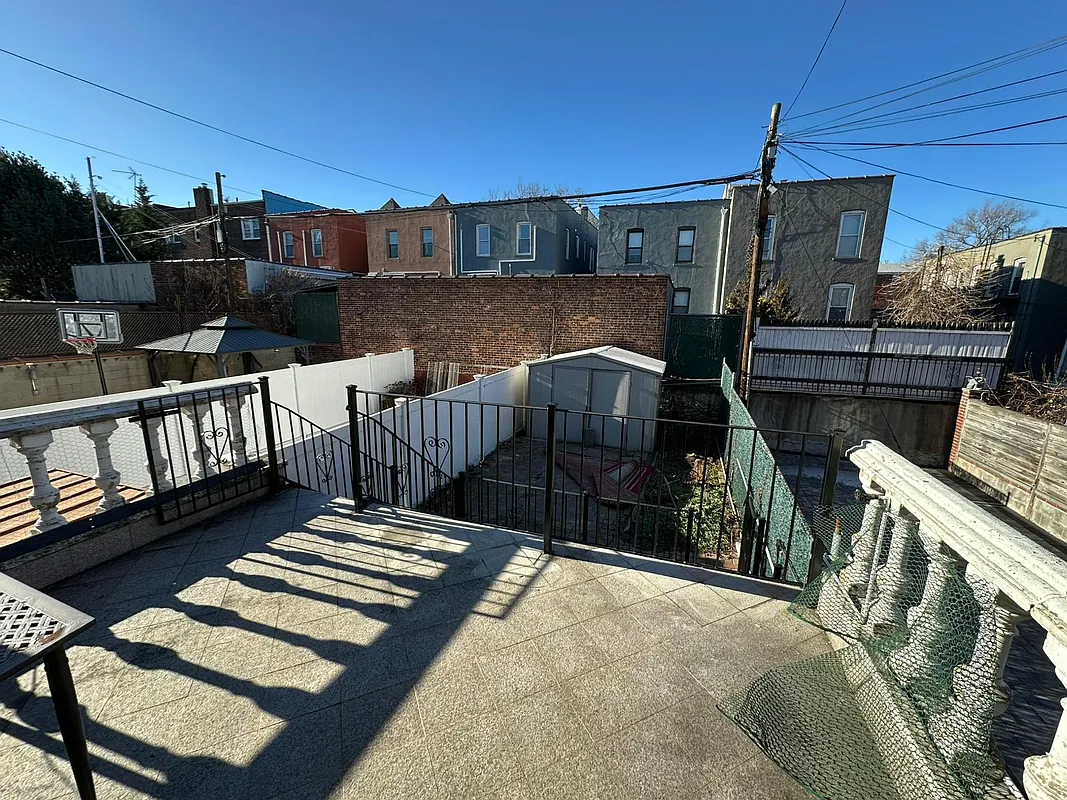 after · staged
before
after · staged
before
The short version
Backyards are lifestyle real estate and they reward preparation more than almost any other photo in the set. Fix the real space first because no edit rescues a neglected yard, wait for the light instead of fighting it, and shoot wide enough that buyers can see how the outdoor space connects to the house.
Buyers don't just buy square footage — they buy a lifestyle. And nowhere is that more true than the backyard. A patio reads as Sunday dinners with friends. A deck reads as morning coffee in the sun. A flat stretch of lawn reads as somewhere the kids and the dog can run. That emotional pull means your outdoor photos punch well above their weight in a listing, even though they're often the ones agents rush through last.
The trouble is that most backyards photograph badly. They're cluttered with the stuff of daily life, shot at the wrong time of day, and empty of anything that helps a buyer picture themselves there. Here's how to fix all three — first with a little real-world prep, then with virtual outdoor staging.
Prep the real space first
No amount of editing rescues a yard that looks neglected. Before you ever lift the camera, spend twenty minutes making the space look cared for. The bar is simple: it should look like someone who loves this yard just stepped inside.
- Mow and edge. A fresh cut with crisp edges along the beds and walkways instantly reads "maintained." Patchy spots stand out far less on a tidy lawn.
- Clear the daily clutter. Coil and stash the hose, pick up kids' toys and dog bowls, and roll the trash and recycling bins out of frame entirely.
- Clean the hardscape. Sweep or hose down the patio and deck. Leaves, cobwebs, and grime kill the look more than people expect.
- Tame the grill zone. A grill is fine; the pile of propane tanks, bags of charcoal, and stray tools around it is not. Stash the clutter so the cooking area looks intentional.
Shoot in the best light
Outdoor light is brutal and unforgiving if you fight it, and gorgeous if you wait for it. The single biggest upgrade to a backyard photo is shooting at the right hour.
- Golden hour wins. The hour after sunrise or before sunset gives warm, raking light that flatters greenery and adds depth. Yards look like a place you'd want to be.
- Bright overcast is the easy mode. A lightly cloudy sky is a giant softbox — even light, no harsh shadows, no blown-out sky. If you can't catch golden hour, shoot on an overcast day.
- Avoid harsh midday. High noon throws deep, ugly shadows across the patio and blows the sky to white. It's the worst time to shoot an exterior — skip it if you can.
Many of these instincts carry over from indoor work — if you want the fundamentals, our guide on how to photograph a room for real estate covers exposure and framing in depth.
What virtual outdoor staging adds
Prep and light get you a clean, well-lit photo. Virtual staging is what turns that blank slab into an outdoor room a buyer can imagine using. The goal is to suggest a life, not to redecorate reality. Done well, outdoor staging adds:
- A patio or dining set so an empty deck reads as a place to host dinner.
- Lounge chairs and an umbrella that turn a corner of the yard into a spot to relax.
- Planters and tasteful greenery to soften hard edges and add warmth.
- String lights that hint at long summer evenings — a small touch that does a lot of emotional work.
The same principle that makes virtual staging beat traditional staging indoors applies outside: you get the furnished look for a fraction of the cost and effort. We break that comparison down in virtual staging vs. traditional staging.
Keep it honest.
Outdoor staging should add removable furniture and décor, never invent the property. Don't render a pool that isn't there, hide a failing fence, replace landscaping, or create a view. Several MLS rules expressly limit exterior and off-property changes. Check the source-linked disclosure directory before publishing.
Shoot wide, and show the connection
An outdoor space sells hardest when buyers can see how it relates to the home. Tight crops of a single chair tell them nothing about flow or scale. Instead:
- Use wide angles that capture the whole usable space in one frame, so buyers grasp how big the yard really is.
- Show the connection to the house. A shot that includes the back door, the deck steps, or the kitchen window beyond the patio tells a buyer how indoor and outdoor living flow together.
- Stand in a corner and shoot across the space — it reads more spacious than a flat, head-on view.
The bottom line
Backyards are lifestyle real estate, and they reward a little effort more than almost any other photo in the set. Clean the real space, wait for good light, then stage it virtually so a bare slab becomes a place buyers can picture living. Keep it honest, shoot it wide, and those exterior shots stop being an afterthought and start pulling showings.
Stylst stages backyards and patios too, not just interiors. Snap your yard, pick a look, and get a staged version back in about 30 seconds with pay-as-you-go credits or a plan. Stage an outdoor photo, then verify the applicable disclosure before publishing.
Questions people actually ask
What is the best time of day to photograph a backyard?
Late afternoon into the golden hour, when the light is low and warm and the shadows are long. Midday sun is the hardest light to shoot outdoors: it blows out the sky, flattens the planting and drops hard black shadows across the patio. Overcast is workable for detail but leaves you with a white, empty sky.
Can you virtually stage an outdoor space?
Yes, and it works the same way as an interior: patio furniture, planters and a set table added to a real yard. What it must not do is invent hardscape. A deck, a pool or a patio that is not there is not staging, it is a different property, and curb appeal editing has to stay on the right side of that line.
How do I make a small yard photograph well?
Shoot wide and low, and include the connection to the house rather than isolating the yard on its own. A small outdoor space reads much larger when a buyer can see the door it opens off and the room it extends. Clean lines help too, so clear the hose, the bins and the kids' equipment before you shoot.