Virtual Staging vs. Traditional Staging: Results, Cost, and Time
Both can make an empty room easier to understand in listing photos. Only traditional staging changes what a buyer sees at the showing.
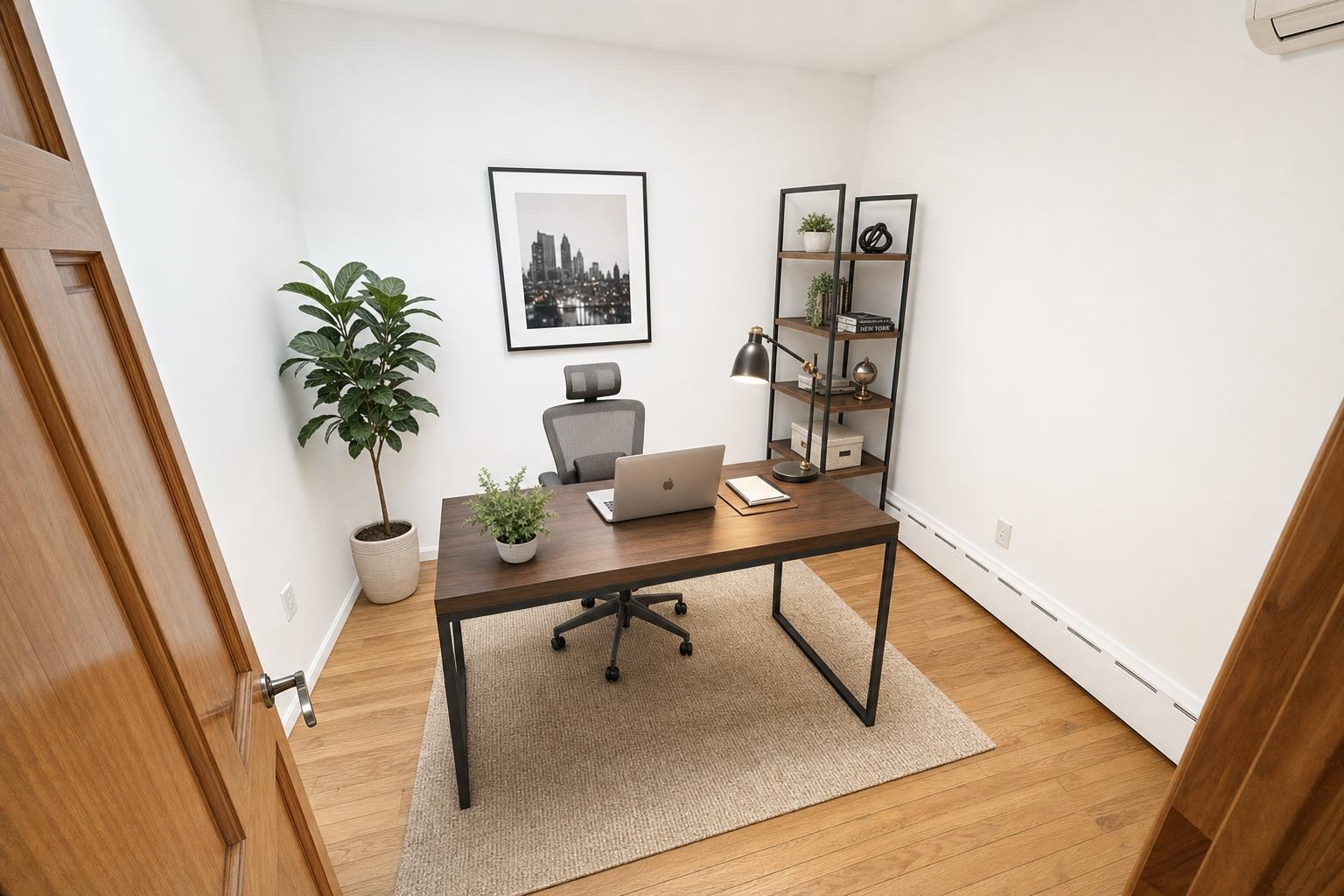
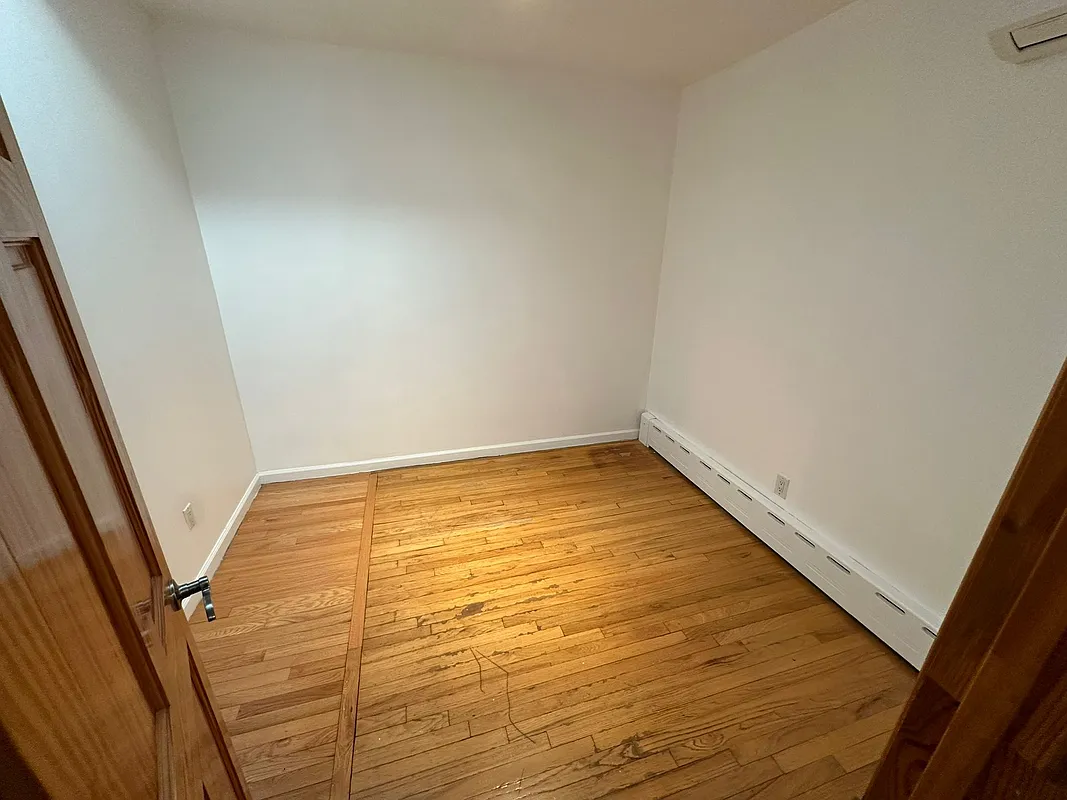 after · staged
before
after · staged
before
The short version
Both put furniture in an empty room. Traditional staging is a physical service costing thousands across a multi-month listing and taking days to schedule. Virtual staging is minutes and dollars. Physical still wins where it counts most: at the in-person showing, which virtual staging cannot touch.
An empty room can make scale and furniture placement hard to judge. Traditional staging moves real furniture into the home. Virtual staging adds furniture to a marketing image while the property remains empty. They may solve the same online communication problem, but they are different services with different limits.
What each method actually is
Traditional staging is a physical service. A stager visits, plans the rooms, and a crew delivers and arranges furniture, art, and accessories that stay in place until the home sells. It's tangible — buyers walk into a furnished home at showings.
Virtual staging is a photography service. You shoot the empty room, and furniture is rendered into the image so the online listing looks furnished. The home itself stays empty, so the edited image should be clearly disclosed and the unedited view should remain available where local listing rules require it.
| Traditional staging | Virtual staging | |
|---|---|---|
| Cost | Thousands across a listing | About a dollar a photo |
| Turnaround | Days to schedule, half a day to install | About 30 seconds |
| Works in the photos | Yes | Yes |
| Works at the showing | Yes | No — the room is still empty |
| Disclosure required | No | Yes, every time |
Cost: the headline difference
This is where the two diverge most clearly.
- Traditional staging: pays for planning, furniture, installation, rental time, and removal. The National Association of REALTORS reported a $1,500 median cost for a staging service in its 2025 member survey. That is a survey median, not a quote for a particular property.
- Virtual staging: is sold per image, through credits, or as a software subscription. Compare the provider's current price with the number of final images, revision policy, and required production time.
Get a local physical-staging quote and compare it with a written virtual-staging scope. See the variables in our guide to virtual staging cost.
Time and turnaround
Traditional staging takes days to schedule and a half-day or more to install. Virtual staging takes minutes. With an AI tool you upload the photo and get the staged version back in about 30 seconds, which matters when you're trying to hit a Thursday MLS go-live or restage a room a buyer's agent flagged.
Results and limitations
In NAR's 2025 survey, 83% of buyers' agents said staging made it easier for a buyer to visualize the property as a future home. That supports staging as a communication tool. It does not prove that virtual and physical staging produce equal sale prices or time on market, and it does not turn vendor case studies into a guaranteed result.
Virtual staging can make dimensions and potential use clearer in photos, but buyers will still enter an empty room. Traditional staging carries the furnished experience into the showing, but costs more to coordinate and maintain. Judge each method by the part of the journey it actually changes.
One rule, both methods: disclose it.
Virtually staged photos must be labeled as such on the MLS so buyers aren't misled about what's actually in the home. It's simple to do right — see the MLS disclosure rules.
When traditional staging still wins
Virtual staging is the obvious choice for online reach, but physical staging earns its keep in a few cases:
- Luxury homes where buyers expect a fully dressed walkthrough in person.
- Awkward or empty hero rooms that feel cold and echoey at showings, where no photo can fix the in-person experience.
- Occupied-but-dated homes that need a designer's eye on the actual space.
For a vacant listing where the main problem is visual communication online, virtual staging may be sufficient. Where the physical walkthrough needs help, traditional staging or a hybrid plan may be the better fit.
The verdict
Choose virtual staging when the listing photos need to explain an empty room quickly and the property can remain vacant. Choose traditional staging when the showing itself needs furniture. A hybrid plan can physically stage a hero room while using disclosed virtual images to demonstrate other spaces.
Questions people actually ask
What is the cost difference between virtual and traditional staging?
It is the starkest comparison in the category. Traditional staging typically runs into the thousands across a listing, covering rental furniture, installation, a monthly fee and removal. Virtual staging is roughly a dollar a photo. For most sellers that difference decides it before any other consideration.
When is traditional staging still worth it?
When the in-person showing is doing the selling. A physically staged home feels furnished when a buyer walks in, and a virtually staged one is still empty. On high-end listings, on homes with awkward layouts that need demonstrating in person, and in slow markets with many showings, physical staging still earns its cost.
Does virtual staging deliver the same return as physical staging?
For the online half, largely yes, because the buyer's first encounter is the photo either way and that is what generates the showing. What it cannot replicate is the emotional effect of walking into a furnished home, so the honest framing is that virtual staging buys the click and physical staging helps close.
Sources
- NAR Code of Ethics, Article 12 — REALTORS shall be honest and truthful in their real estate communications and present a true picture in their advertising and marketing.