The Best Time of Day to Shoot Real Estate Photos
Light makes or breaks a listing photo. Here's when to shoot every part of the home.
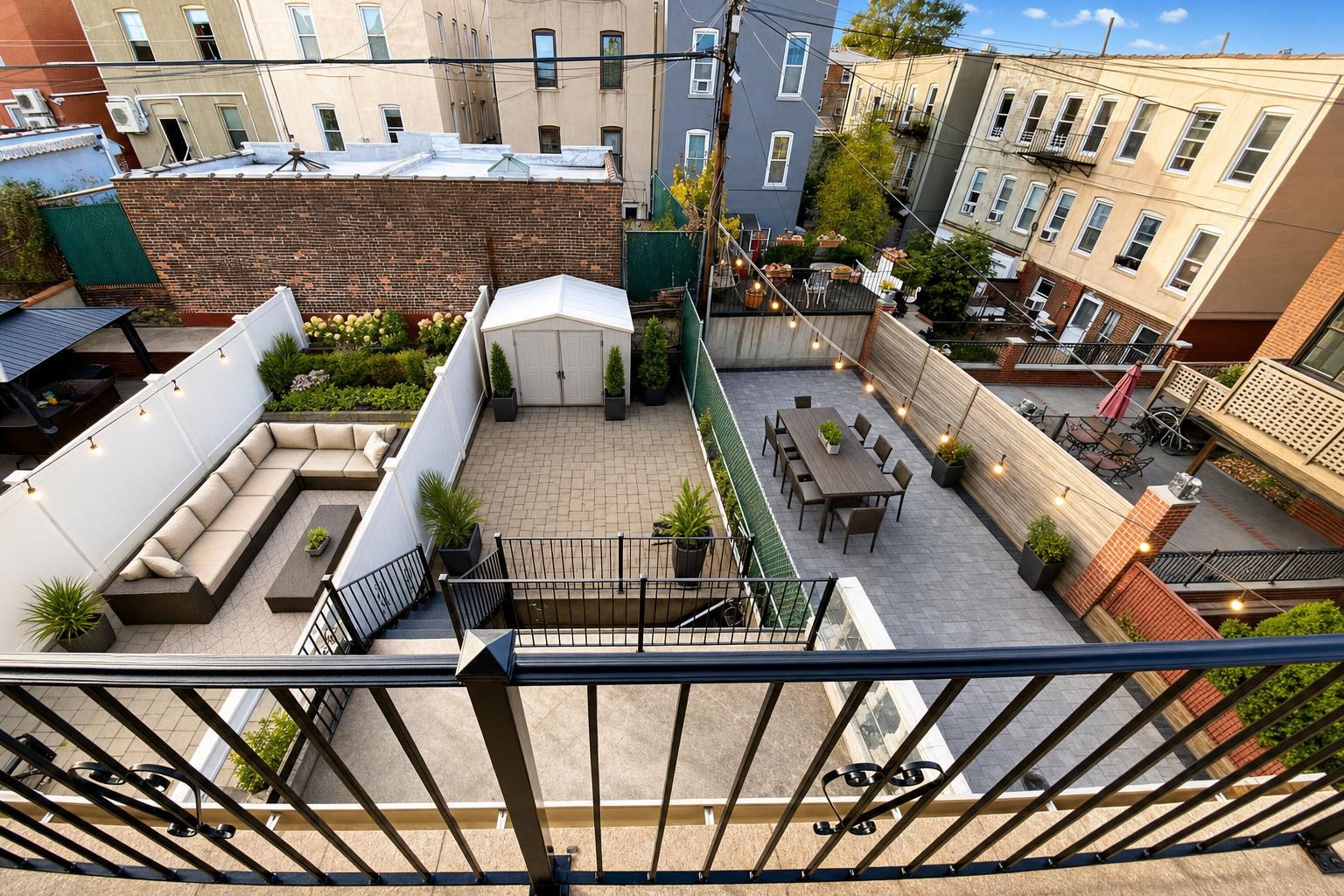
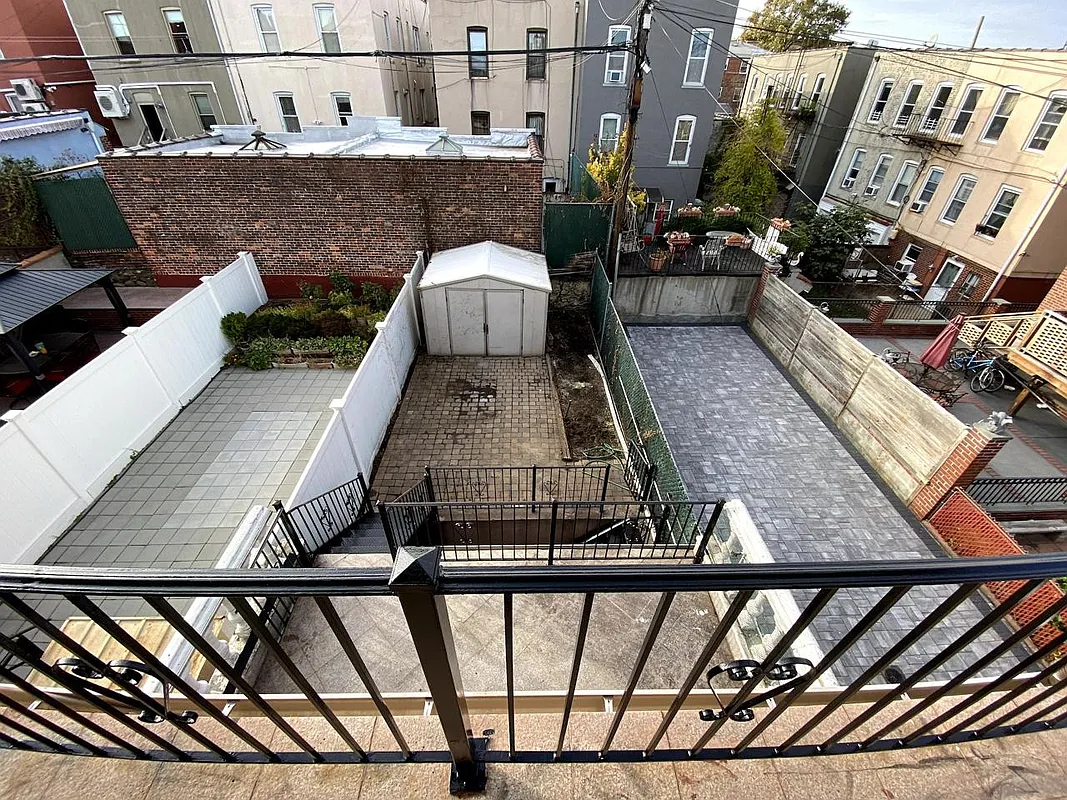 after · staged
before
after · staged
before
The short version
Exteriors want the golden hour, interiors want midday when daylight is flooding the rooms, and an overcast day is a gift for both because it kills the hard shadows. The twilight exterior is the premium hero shot, and it lives in a window of about twenty minutes after sunset.
You can buy the best camera on the market, hire the steadiest tripod hand in town, and edit until 2 a.m. — and still lose to the agent who simply showed up at the right hour. Of every variable in real estate photography, light is the one that decides whether a photo looks expensive or flat. It's free, it changes by the minute, and it rewards anyone who plans around it. Here's how to time the shoot for each part of a home so the listing photos pull buyers in instead of getting scrolled past.
Why light is the biggest variable
A room or a façade doesn't change between 8 a.m. and noon — but the way light falls on it changes completely. Low, angled sun wraps a house in warm tone and gentle shadow that reads as inviting. High, hard sun blows out the sky, throws black shadows under the eaves, and makes the same house look harsh. Indoors, the difference is between rooms that glow and rooms that look like a cave with one bright window. Nail the timing and most of your editing is already done.
| Subject | Best light | When |
|---|---|---|
| Exteriors | Golden hour | The hour after sunrise or before sunset |
| Interiors | Midday daylight | Late morning to mid afternoon |
| Twilight hero shot | Blue hour | The short window just after sunset |
| Interiors, any time | Overcast | All day — cloud is a giant diffuser |
Exteriors: shoot the golden hour
For the outside of a home, the best light is the golden hour — roughly the hour after sunrise and the hour before sunset. The sun sits low, the light turns warm and soft, shadows stretch long and flattering, and the sky holds color instead of washing to white. It's the difference between a façade that looks like a place you'd want to live and one that looks like a tax document.
The catch is that a house faces one direction, and the front only looks its best when the sun is on it. Before you schedule, figure out which way the front elevation faces:
- East-facing front — shoot in the morning, when the rising sun lights the façade head-on.
- West-facing front — shoot in the late afternoon, when the setting sun does the same.
- North-facing front — it rarely gets direct front light, so a bright overcast day or soft early light is your friend; avoid harsh midday.
- South-facing front — gets light most of the day; aim for earlier or later when the angle is low and the shadows are kind.
A quick way to check: stand at the curb with a compass app and note where the sun will be at your planned time. The yard and any curb-appeal exterior shots follow the same rule — front light beats flat overhead light every time.
Interiors: midday daylight fills rooms
Interiors flip the script. Inside, you want as much daylight as possible flooding through the windows, which means bright midday — late morning through early afternoon — is usually best. More ambient light means rooms read open and airy instead of dim. A few rules make a big difference:
- Turn on every light in the house — every lamp, every overhead, every under-cabinet strip. It adds warmth and kills dead corners.
- Shoot away from harsh direct sun streaming through a window. A blade of bright sunlight on the floor blows out the exposure and fights the room light. Aim for windows in soft, indirect light, or wait until the sun has moved off that side of the house.
- Open the blinds and curtains so the windows show as windows, not bright white rectangles.
Get the basics of framing and lighting right and the rest is fast — our guide to photographing a room walks through the full setup.
Overcast days are a gift
A gray sky feels like bad luck, but for real estate it's often a blessing. Clouds act as a giant softbox, spreading even, shadowless light across the whole property. No harsh contrast, no squinting black shadows under the porch, no blown-out hot spots on the lawn. Exteriors on a bright overcast day look clean and consistent, and interiors get soft, uniform fill through the windows. The only thing you lose is a blue sky — and that's an easy fix in editing, far easier than recovering detail from a midday photo riddled with hard shadows. Don't reschedule because of clouds. Reschedule because of rain.
Weather changes the decision: use bright overcast for even interior and exterior coverage, wait out active rain when droplets or wet equipment become the problem, and avoid photographing a sun-facing façade in harsh midday contrast. If the schedule cannot move, prioritize truthful exposure and plan a separate exterior hero image.
Twilight: the premium hero shot
For a higher-end listing, the single most striking image you can capture is the twilight shot — taken in the short window at dusk just after sunset, when the sky glows deep blue and the home's interior and exterior lights are on. The house looks lit from within, warm and alive, against a rich sky. It's the kind of photo that stops the scroll and earns the click, which is why it's often used as the lead image on premium listings.
The window is short — maybe 20 to 30 minutes — so you set up early, turn on every light inside and out, and shoot quickly as the sky deepens. You can pull this off without a pro; our DIY twilight guide covers the timing and settings step by step.
Scheduling: a few practical tips
Great light only helps if you're there for it. Plan the shoot like this:
- Check sunrise and sunset times for the exact date and location — they shift week to week. A sunrise/sunset app or a quick search gives you the golden-hour and twilight windows.
- Watch the weather. Clear or bright overcast is ideal; rain and heavy gloom are the days to move. Book a backup day for outdoor and twilight work.
- Sequence the day. A common plan: interiors at midday when the rooms are brightest, the exterior during the golden hour that matches the home's orientation, and the twilight hero shot last as the sky goes blue.
- Give yourself lead time. Arrive early to open blinds, turn on lights, and tidy so you're shooting — not staging — when the good light arrives.
After the light, finish the photo
Even a perfectly timed shot usually wants a final polish — a brighter room, a cleaner surface, furniture that shows off the space. Once you've nailed the light, you can brighten and stage the photo with Stylst in about 30 seconds for around $1 a photo. It keeps the real layout of the room and just makes it look its best — no studio, no subscription, no waiting on an editor. It's on Google Play, pay-as-you-go. Show up for the light, then let the app handle the finish.
Questions people actually ask
What is the best time of day to photograph a house?
It depends which part. Exteriors look best in the golden hour, roughly the hour after sunrise or before sunset, when the light is warm and low. Interiors want the opposite: midday, when the sun is high and daylight is filling the rooms through the windows rather than raking across them.
Are overcast days bad for real estate photos?
For interiors they are close to ideal, because the cloud cover acts as a giant diffuser and you get soft even light with no hard shadows and no blown-out windows. For exteriors it is harder, since a gray sky photographs as a flat white void. Shoot the inside on a gray day and save the facade.
When exactly should I shoot a twilight photo?
In the short window just after sunset, when the sky has gone deep blue but has not gone black. It is roughly twenty minutes, which is why twilight shots are expensive to schedule. The alternative is converting a clean daytime exterior afterwards, which gets you the same look without the second trip.