9 Real Estate Photography Mistakes That Kill Listings
Most bad listing photos fail for the same handful of reasons. Here's how to fix each one before you upload.
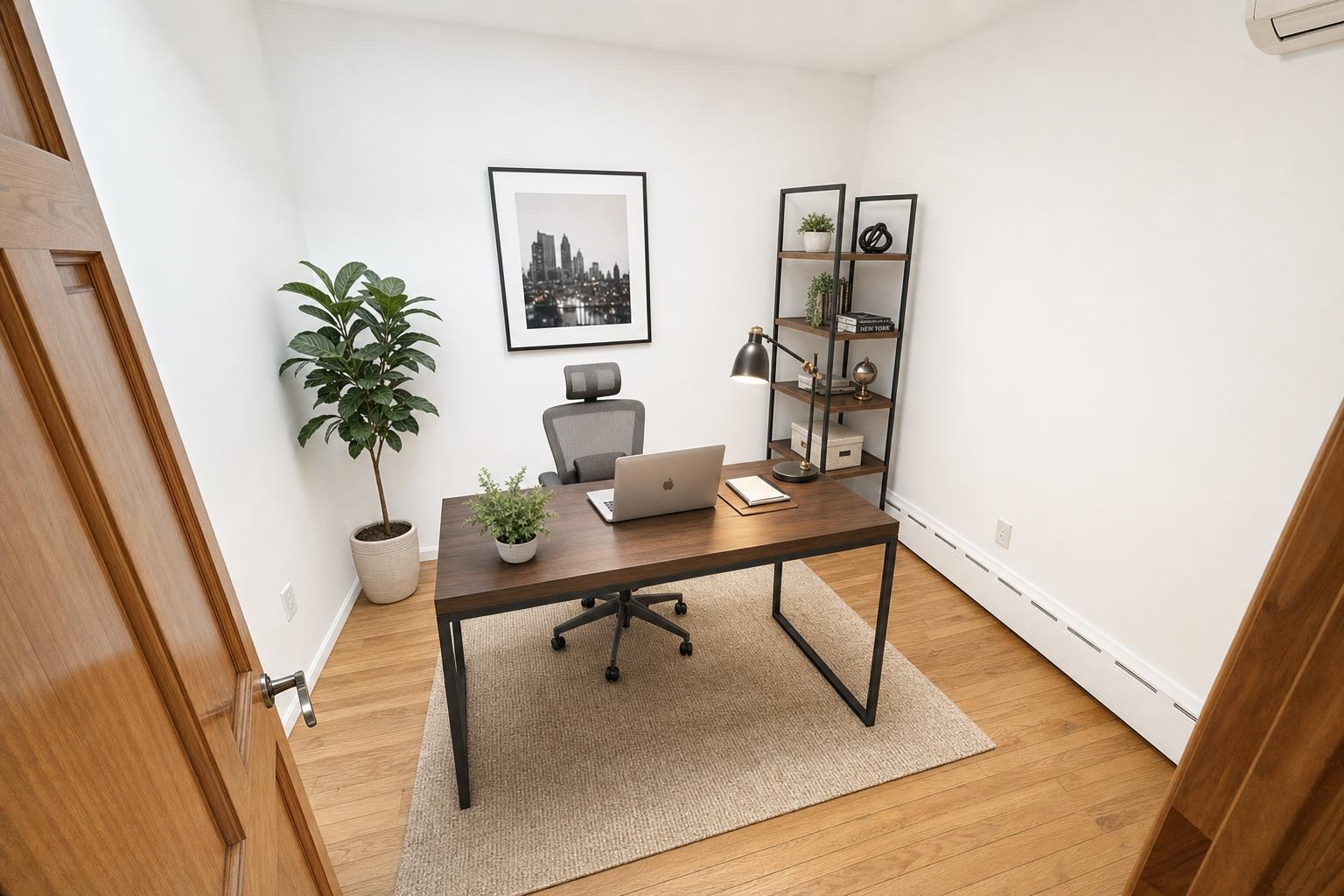
 after · staged
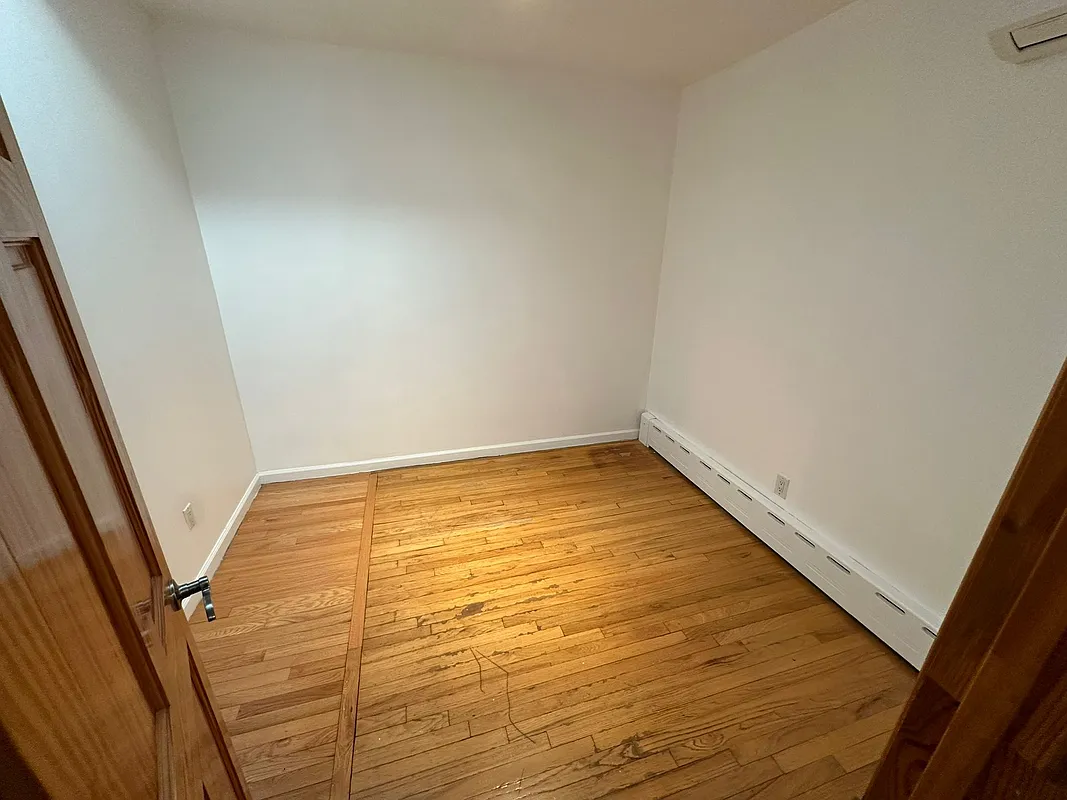
before
after · staged
before
The short version
Most bad listing photos fail for the same handful of reasons: shooting dark with the lights off, a tilted camera, clutter left in frame, fisheye distortion, blown windows, portrait orientation, a dirty lens, unstaged empty rooms, and too few photos. If you fix three today, make them lights on, camera level, clutter gone.
Listing photos are the front door of every sale. Buyers scroll a feed of thumbnails and decide in a fraction of a second whether to tap or keep going — so a weak photo doesn't just look bad, it costs you showings. The good news: nearly every bad listing photo fails for one of nine reasons, and almost all of them are fixable with the phone already in your pocket. Here's the full list, with the fix for each.
1. Shooting in low light with the lights off
The single most common mistake. A dim room reads as small, cold, and uninviting, and a phone shooting in low light cranks up noise and softens everything. Fix it by flooding the room with light: open every blind, turn on every lamp and overhead, and shoot during the day. Warm interior light plus daylight gives rooms that glow buyers respond to. If a room simply has no good light, you can brighten it after the fact — Stylst lifts exposure and warms a phone photo in about 30 seconds.
2. Crooked verticals and a tilted camera
Nothing screams "amateur" like walls that lean and door frames that tip. It happens when you angle the camera up or down to fit a room in. Keep the phone level and the lens parallel to the wall — turn on your camera's grid and align the vertical lines of doorways and windows to the gridlines. Shoot from chest height, not eye height, and let the room fill the frame without tilting. Straight verticals instantly make a photo look professional. More on framing in our guide to photographing a room.
3. Clutter and personal items left in frame
Buyers need to imagine their life in the home, and they can't do that around your mail pile, kids' toys, fridge magnets, or family photos. Before you shoot, clear every countertop, hide the trash can, stash the cords, and remove personal items. A clean, depersonalized room photographs twice as well as a lived-in one. If you can't fully reset the space in person, Stylst can declutter and tidy the photo digitally so surfaces read clean.
4. Shooting too close or with an extreme fisheye
Trying to "get the whole room" by backing into a corner with an ultra-wide or fisheye lens warps the space — stretched walls, banana-shaped sofas, and rooms that look nothing like reality. Buyers feel cheated when they show up in person. Use a moderate wide angle (roughly the equivalent of 16–24mm on full frame), shoot from a doorway or corner without jamming into it, and keep the lens straight. The goal is an honest, comfortable sense of the space, not the most square footage you can cram into one frame.
5. Blown-out windows and bad exposure
Expose for the bright window and the room goes black; expose for the room and the windows blow out to pure white. Phones handle this with HDR — turn it on, or take a couple of exposures and let the camera blend them. Tap to set focus and exposure on the interior, and shoot when outdoor and indoor light are closer in brightness (early morning or an overcast day help). A balanced frame that shows both the room and the view outside the window is far more compelling than either extreme.
6. Portrait orientation instead of landscape
The MLS, Zillow, and nearly every portal display photos in a horizontal frame. Shoot vertically and your photo gets cropped, letterboxed, or shrunk into a thin strip that wastes the space and looks off. Turn the phone sideways and shoot landscape for every interior and exterior. Reserve portrait only for tall, narrow details like a staircase or a two-story foyer — and even then, know it'll display smaller.
7. A dirty lens and soft focus
Phones live in pockets and bags, and a smudge of grease on the lens turns every photo hazy, low-contrast, and soft — no amount of editing fully recovers it. Wipe the lens with a microfiber cloth before every shoot. Then steady the phone (a small tripod or even bracing against a doorframe), tap to lock focus on the room, and avoid digital zoom, which throws away sharpness. Crisp, clean photos look more expensive than the home actually is.
8. Photographing empty rooms with no staging
An empty room is the hardest thing to sell. With no furniture, buyers can't read scale, can't tell where a bed or couch fits, and scroll right past. Even a beautifully lit empty room underperforms a staged one. The fastest fix is virtual staging: with Stylst you upload a plain phone photo of the empty room and get a furnished, move-in-ready version back in about 30 seconds for around $1 a photo — the real layout, windows, and proportions preserved, just dressed with furniture buyers can picture themselves living in. Disclose virtually staged photos on the MLS, and you get the showings without renting a single chair.
9. Too few photos or skipping key rooms
Listings with a thin photo set look like the seller is hiding something. Buyers want to see everything — every bedroom, both bathrooms, the kitchen from a couple of angles, the yard, the entry, and any standout feature. Aim for a complete set that walks a buyer through the home in order, and don't skip the rooms that are harder to shoot; a missing primary bath or a never-photographed basement plants doubt. More good photos almost always means more interest.
The quick wins
If you only fix three things today: turn on the lights, keep the camera level, and clear the clutter. Those alone separate a scroll-past listing from one that earns a tap. And for the two that are hardest to fix in person — a dark room and an empty one — you can brighten, declutter, and stage a single phone photo with Stylst in about 30 seconds, pay-as-you-go, no subscription required. Get the basics right in the room, and let the app handle the rest.
Questions people actually ask
What is the most common real estate photography mistake?
Shooting in low light with the interior lights off. A room that looks fine to your eye photographs dark, because your eye adapts and a camera does not. Turning on every light in the room, including lamps, and shooting during daylight is the single highest-return habit available and it costs nothing.
Should listing photos be portrait or landscape?
Landscape, always. The MLS, Zillow and effectively every portal display photos in a horizontal frame, so a portrait image gets letterboxed or cropped and loses both impact and content. It is one of the easiest mistakes to avoid and one of the most common ones on FSBO listings.
Why do my windows blow out to white?
Because the difference between the bright window and the darker room exceeds what the camera can record in one exposure, so something has to give. Use HDR, tap to set exposure between the two extremes rather than on either, and add interior light so the gap the camera has to bridge is smaller.