Twilight Real Estate Photos You Can Shoot Yourself
The glowing dusk hero shot used to mean hiring a pro. Here's how to get it with a phone.
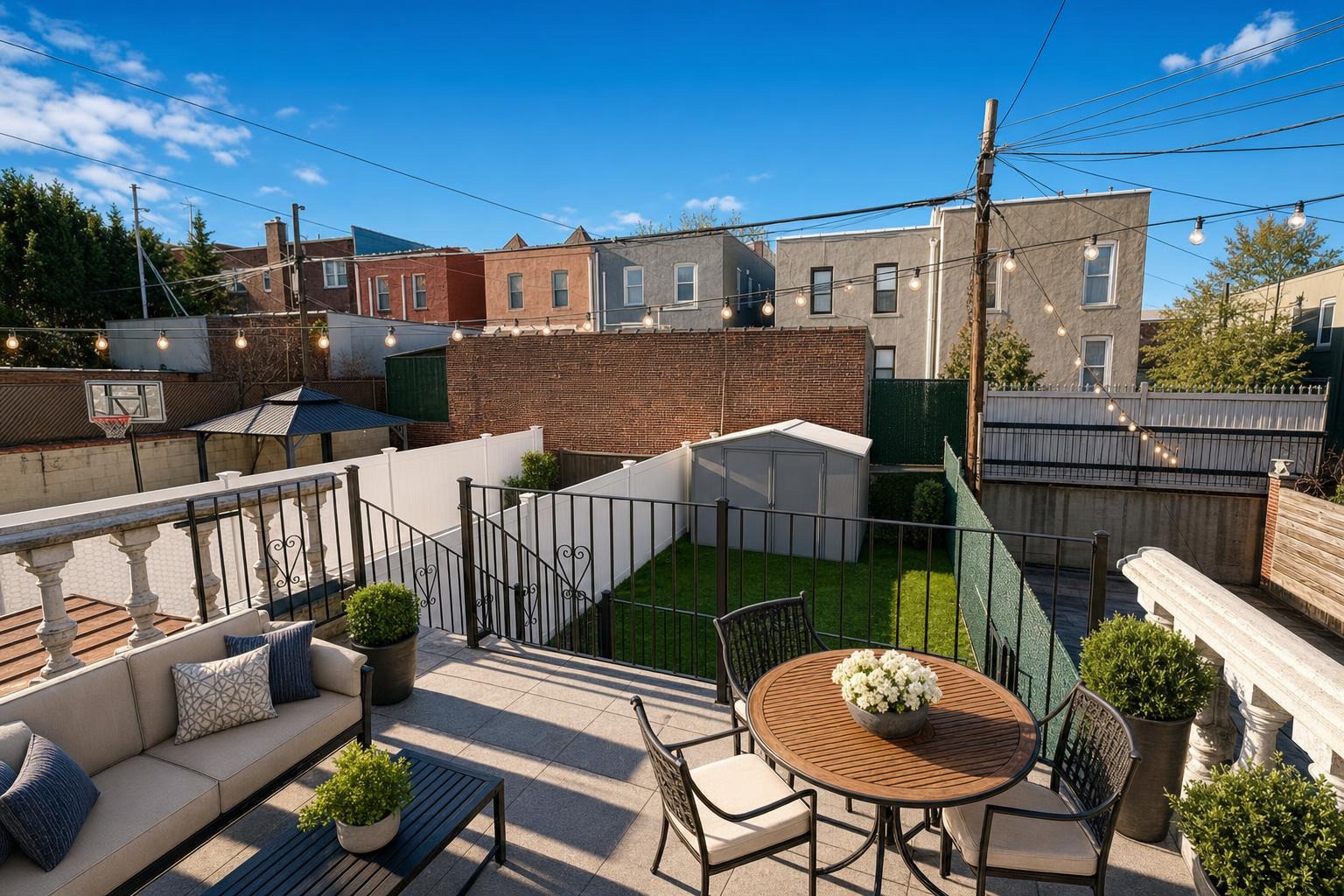
 after · staged
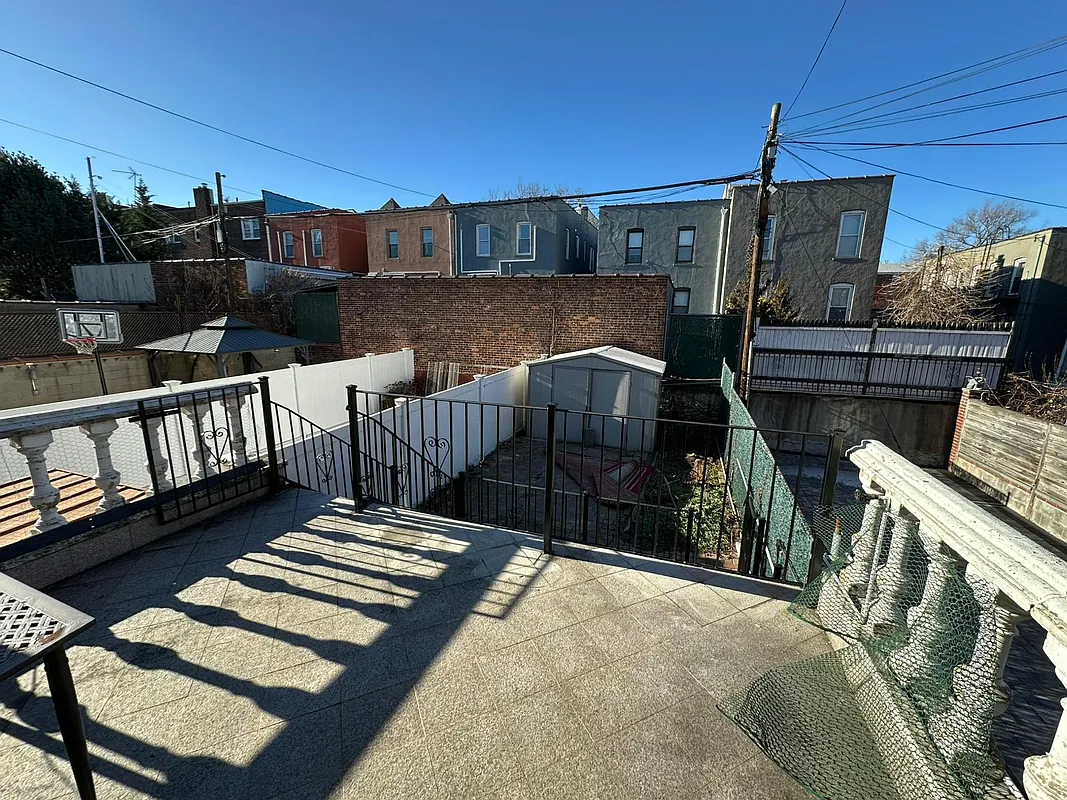
before
after · staged
before
The short version
The glowing dusk hero used to mean hiring a pro. With a phone it needs three things: correct timing in the blue hour, which is nowhere near an hour, light pouring out of the house, and something to keep the phone steady while the shutter stays open.
Scroll any listing feed and the twilight shots stop your thumb. A house photographed at dusk — windows glowing warm gold, the sky a deep electric blue, the lawn lit just enough to read — looks expensive. It signals care. And it pulls clicks, because while every other exterior on the page was shot flat at noon, yours looks like the cover of a magazine. The good news in 2026: you don't need a photographer or a $1,500 invoice. A phone, a little timing, and twenty quiet minutes will do.
Why the twilight hero shot works
Three things happen at dusk that you can't fake at midday. The sky turns a saturated blue instead of a blown-out white. Every lit window becomes a warm point of glow, which reads instantly as "someone lives a good life here." And the contrast between cool sky and warm interior light gives the image depth and mood that a flat daytime frame never has. Buyers don't analyze any of this — they just feel that the home looks premium, and they tap. That's the whole game: the exterior hero is usually the listing's first photo, so making it the best one earns the click that everything else depends on.
Timing: the blue hour is short
The magic window is what photographers call the blue hour — and it's nowhere near an hour. The sweet spot is roughly 20 to 30 minutes after sunset, when the sun is gone but the sky still holds that deep, even blue. Wait too long and the sky goes flat black; go too early and the windows don't read as "glowing" against a still-bright sky. Because the window is so brief, the rule is simple: scout and set up early. Arrive 30 to 45 minutes before sunset, find your angle, get the phone mounted, and have everything turned on so that when the light tips into blue hour you're shooting, not fumbling. For more on reading natural light across the day, see the best time of day to shoot real estate photos.
Prep the house so it glows
The single biggest difference between a flat dusk shot and a glowing one is light coming out of the house. Before the blue hour hits, walk the whole property and switch everything on:
- Turn on every interior light — every room, every lamp, including the ones in rooms you won't photograph but whose windows face the camera. Empty dark windows kill the effect.
- Turn on every exterior light — porch lights, path lights, garage coach lights, landscape uplighting if it exists.
- Open the blinds and curtains so the interior glow actually escapes through the glass. Closed blinds turn a warm window into a dull gray rectangle.
- Clear the driveway of cars, trash bins, hoses, and toys, and tidy the landscaping — pull weeds, coil the hose, straighten the doormat. Dusk hides a lot, but a minivan in the driveway it cannot hide.
Hold the phone steady
At dusk there's very little light, so your phone's camera keeps the shutter open longer to gather it — and any tiny shake during that time turns into a blurry, smeared frame. Steadiness is non-negotiable. Use a small phone tripod if you have one; if you don't, brace the phone against something solid — a porch railing, a low wall, the roof of your car, a mailbox. Then, instead of stabbing the shutter and jostling the phone at the worst possible moment, set a 2-second timer so the camera fires after your hand is off it. This one habit is the difference between crisp and soft more often than any setting.
Settings: let the phone do the heavy lifting
You don't need manual mode. Modern phones handle dusk well if you point them right:
- Turn on Night mode or HDR — both are built to balance a dark scene with bright highlights, exactly the twilight problem.
- Tap to set exposure on a spot between the sky and the lit house — not the bright window (which makes everything else go black) and not the dark lawn (which blows out the sky). You want a balance where the windows glow but the sky keeps its blue.
- Shoot several frames as the sky darkens. The light changes minute to minute, so fire off a batch across the whole blue hour. One of them — usually a few minutes in — will have the perfect balance, and you only know which once you compare them later.
Composition: glow plus sky
Frame the house slightly off-center rather than dead-on — a small three-quarter angle shows two faces of the home and reads more dynamic than a flat straight-on shot. Keep the camera level so the walls stay vertical and the house doesn't look like it's tipping over (most phones can overlay a grid or level to help). And leave room in the frame for both stars of the shot: the warm glow of the house and a generous slice of that blue sky above it. The sky is half of why the image works — don't crop it out. The same framing fundamentals apply indoors too; see how to photograph a room for real estate.
Finish the shot
Once you've got a sharp, well-balanced frame, a little polish takes it the rest of the way. You can warm the glow, deepen the sky, and even virtually stage the surrounding outdoor space — clean up a tired patio, suggest furniture on a bare deck — with Stylst in about 30 seconds for roughly $1. It keeps the real layout of the property intact and just elevates what's already there, which is exactly what you want for an honest listing. It's on Google Play, pay-as-you-go, no subscription required. As always, if you stage or materially alter the photo, disclose it on the MLS so buyers know what's real. For the front of the house specifically, our guide to curb appeal in exterior listing photos pairs naturally with a great twilight hero.
The one-line version.
Set up before sunset, turn on every light and open the blinds, brace the phone with a 2-second timer, tap to expose between the sky and the windows, and shoot a burst through the blue hour. Pick the frame where the windows glow and the sky is still blue.
Questions people actually ask
When exactly is the blue hour?
The window after sunset when the sky is deep blue but not yet black, and it is far shorter than the name suggests, typically around twenty minutes. That brevity is the whole difficulty of shooting twilight: you get one attempt per evening and you have to be set up and ready before it starts.
How do I make a house glow in a twilight photo?
Turn on everything. Every interior light, every lamp, the porch lights, the landscape lighting and anything over the garage. The single biggest difference between a flat dusk shot and one that glows is light coming out of the windows, and a dark house against a blue sky is just a silhouette.
How do I avoid blur in a dusk photo on a phone?
Keep the phone still, because in low light the camera holds the shutter open longer and any shake smears the frame. Brace against a car, a fence or a wall, or use a small tripod, and use the timer so pressing the button does not move it. Night mode helps only if the phone is steady.