Real Estate Photography for an Empty House: How to Shoot and Stage It
Prepare vacant rooms, photograph their real scale, and stage only the frames that help a buyer understand the space.
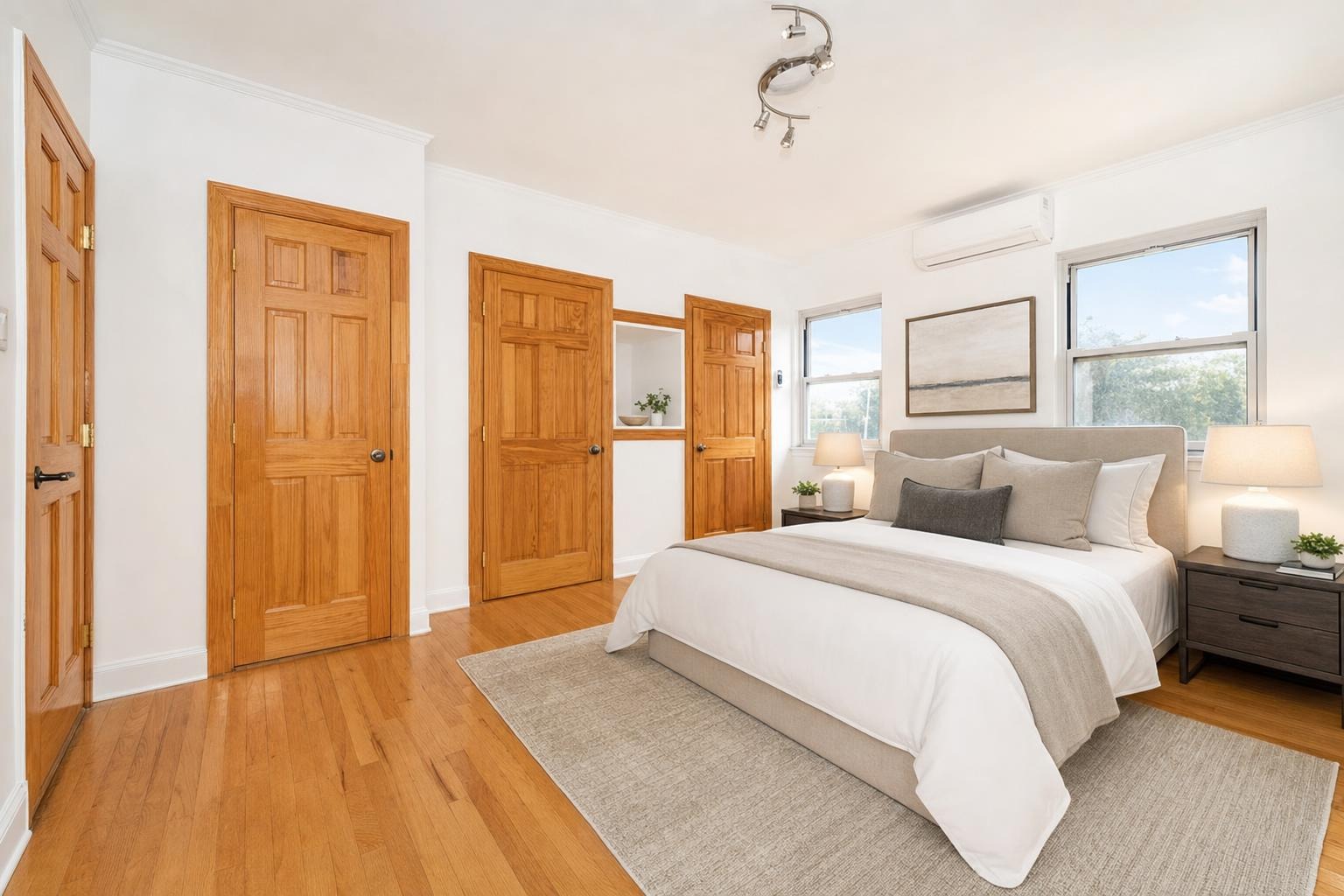
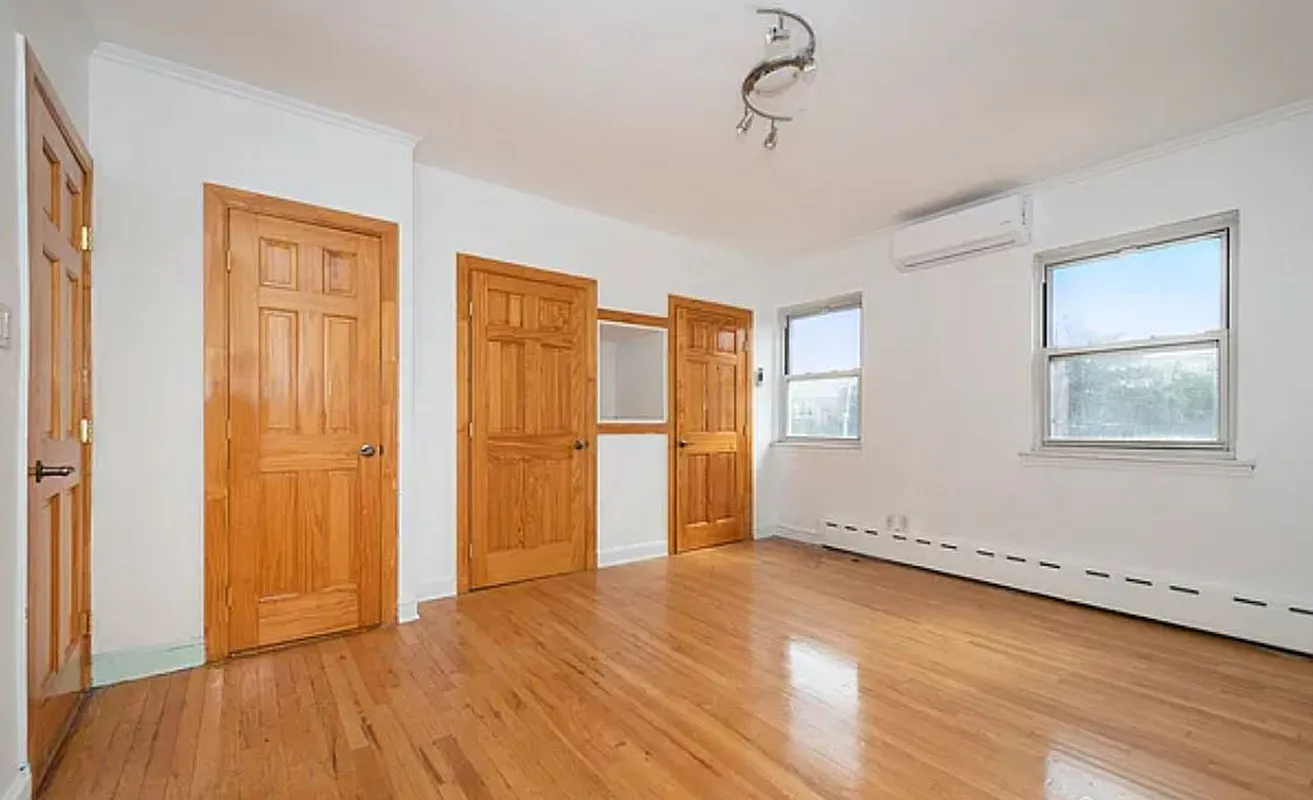 after · staged
before
after · staged
before
The short version
Empty rooms hurt because buyers scroll thumbnails and cannot judge scale from bare walls. You have two options, physical staging or virtual, and you do not need to do every room. Prioritise the rooms that actually sell, shoot them cleanly first, and stage from there.
Real estate photography for an empty house starts with the vacant property itself, not the staging software. Clean surfaces, even light, a level camera, and a useful view of doors and windows must be present in the source photo. Virtual staging can then explain scale and purpose, but it cannot rescue a crooked, blocked, or badly exposed room honestly.
A vacant house often photographs cold. With nothing in the frame, buyers can struggle to read scale or tell where a bed or sofa would go. The answer is not to stage every image. Deliver an accurate vacant record, then selectively stage the rooms where furniture genuinely helps a buyer understand the space.
Empty-house photography checklist before the camera comes out
- Finish the room. Remove construction debris, cords, labels, cleaning supplies, and temporary fixtures rather than editing unfinished work away later.
- Clean reflective surfaces. Vacant floors, windows, mirrors, and appliances occupy more of the frame and show every mark.
- Use one lighting decision. Open blinds for usable daylight and turn on a consistent set of permanent fixtures. Avoid mixing work lights with warm household bulbs.
- Show the route through the home. Include doorways and sight lines that explain how rooms connect instead of producing a gallery of context-free boxes.
- Capture the vacant truth. Keep the original photos beside any virtually staged versions so the online promise and the showing remain aligned.
Why empty rooms hurt the listing
Buyers shop with their eyes, and most of them are scrolling a feed of thumbnails. An empty room loses three things that sell a home:
- Scale. Bare walls and floors give the eye nothing to measure against, so rooms look smaller and more awkward than they are.
- Warmth. No rug, no lamp, no art — nothing that says "home." Empty spaces feel institutional.
- Imagination. Most buyers can't mentally place furniture. If you don't show them the layout, they assume it doesn't work.
The result is a listing that gets fewer clicks and fewer showings than the same house furnished. Staging fixes all three at once.
Your two realistic options
To put furniture in a vacant home you can stage it physically or virtually.
- Rent furniture (traditional staging). A stager plans the rooms, then a crew delivers and arranges real furniture that stays until the home sells. It looks great in person — but for a vacant home it commonly runs $2,000–$6,000, takes days to schedule, and a half-day to install. That's a lot of money and time tied up in a house nobody's living in.
- Virtually stage the photos. You shoot the empty rooms, then furniture is rendered into the images so the online listing looks furnished. The house stays empty, the cost is a few dollars, and the turnaround is minutes. For a deeper side-by-side, see virtual staging vs. traditional staging.
For most vacant listings, renting furniture is overkill. The buyer's first impression happens in the photo, and you can win that for the price of a coffee.
Prioritize the rooms that actually sell
You don't need to stage every square foot. Buyers decide on a handful of rooms, so put your effort there:
- Living room. The hero shot. A sofa, rug, and coffee table establish scale and warmth instantly.
- Primary bedroom. Buyers want to picture their own retreat. A bed, nightstands, and soft lighting do it.
- Kitchen. Usually furnished already, but a little life — a bowl, stools at the island — makes it read lived-in.
- Main dining or eat-in area. A table and chairs prove the space functions and isn't just an awkward bonus nook.
Skip the closets, the laundry room, the utility spaces. Nobody buys a house for the laundry room, and an empty closet photographs fine. Concentrate on the four rooms above and you've covered what moves people.
Shoot the empty rooms well first
Virtual staging is only as good as the photo you feed it. A crooked, dim, cluttered source produces a crooked, dim, cluttered staged image. Before you stage anything, shoot each empty room cleanly:
- Clean and clear the space. Sweep, wipe the windows, and remove stray cords, ladders, and paint cans. The room should be genuinely empty, not half-empty.
- Turn every light on. Overheads and any lamps, plus open the blinds. Bright rooms photograph bigger and warmer.
- Keep the phone level. Hold it vertical and at chest height so the walls stay straight. Tilting makes lines lean and the room look off.
- Shoot from a corner. Standing in a corner captures two walls and the most floor, which gives the room depth — and gives the staging room to place furniture.
For the full walkthrough, read how to photograph a room for real estate. Get the empty shot right and the staged result looks effortless.
Then virtually stage each room
With a clean photo of each priority room, virtual staging adds furniture so the space reads furnished and move-in ready. Upload the empty room, pick a style, and you get back a furnished version in about 30 seconds. The layout of your actual room is kept — the furniture is placed to fit the real walls and windows.
A few rules keep it believable:
- Use right-scale furniture. A sofa that swallows the room or a tiny bed in a big primary both look fake. Furniture sized to the space sells the scale honestly.
- Don't hide defects. Never use staging to cover water stains, cracks, or damage. Stage to show potential, not to deceive.
- Match a consistent style. Keep the same design language across rooms so the home reads as one cohesive house. See interior design styles for listing photos if you're unsure which to pick.
One rule you can't skip: disclose it.
Virtually staged photos must be labeled as such on the MLS so buyers know the furniture isn't included and aren't misled about the home. It's easy to do right — see the MLS disclosure rules.
The fast, cheap way to do it
You can stage a whole vacant listing from your phone in the time it would take to schedule a furniture delivery. With an app like Stylst, you photograph each empty room, stage it in about 30 seconds, and pay as you go — around $1 a photo, no subscription required. Cover your four priority rooms and the whole house reads furnished and move-in ready for under ten dollars.
It's on Google Play, with no account required to start. Snap the empty room, pick a style, and let it fill the space — no moving truck, no designer, no rental bill at the end of the month.
Questions people actually ask
Which rooms should I stage in an empty house?
The living room, the primary bedroom and the kitchen carry most of the weight, in that order, plus any room whose purpose is ambiguous when bare. You do not need to stage every square foot. A staged hero set with honestly photographed secondary rooms outperforms a fully staged set done cheaply.
Is virtual staging cheaper than renting furniture?
By a very wide margin. Physical staging means a rental contract, delivery, a monthly fee for as long as the home is listed, and collection at the end. Virtual staging is roughly a dollar a photo and is done in minutes. The trade is that virtual staging only helps online, and the house is still empty at the showing.
How good does the original photo need to be?
Better than people expect, because virtual staging is only as good as what you feed it. Furniture gets added to the room you actually photographed, so a dim, crooked, badly framed empty room produces a dim, crooked, badly framed furnished one. Get the light and the level right first.