Luxury Listing Photography: Shooting High-End Homes
High-end buyers expect a higher standard. The details that make a luxury listing look the part.
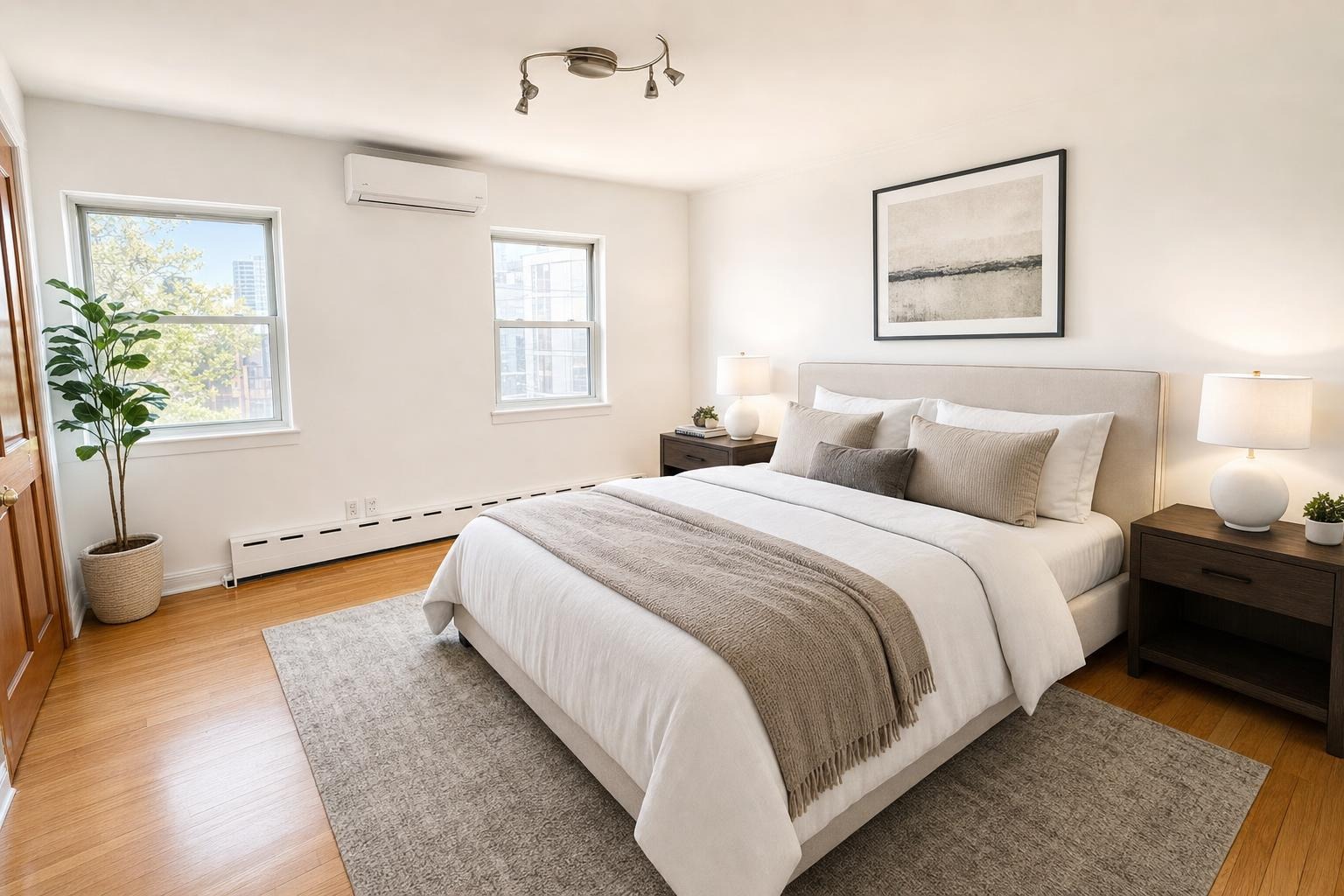
 after · staged
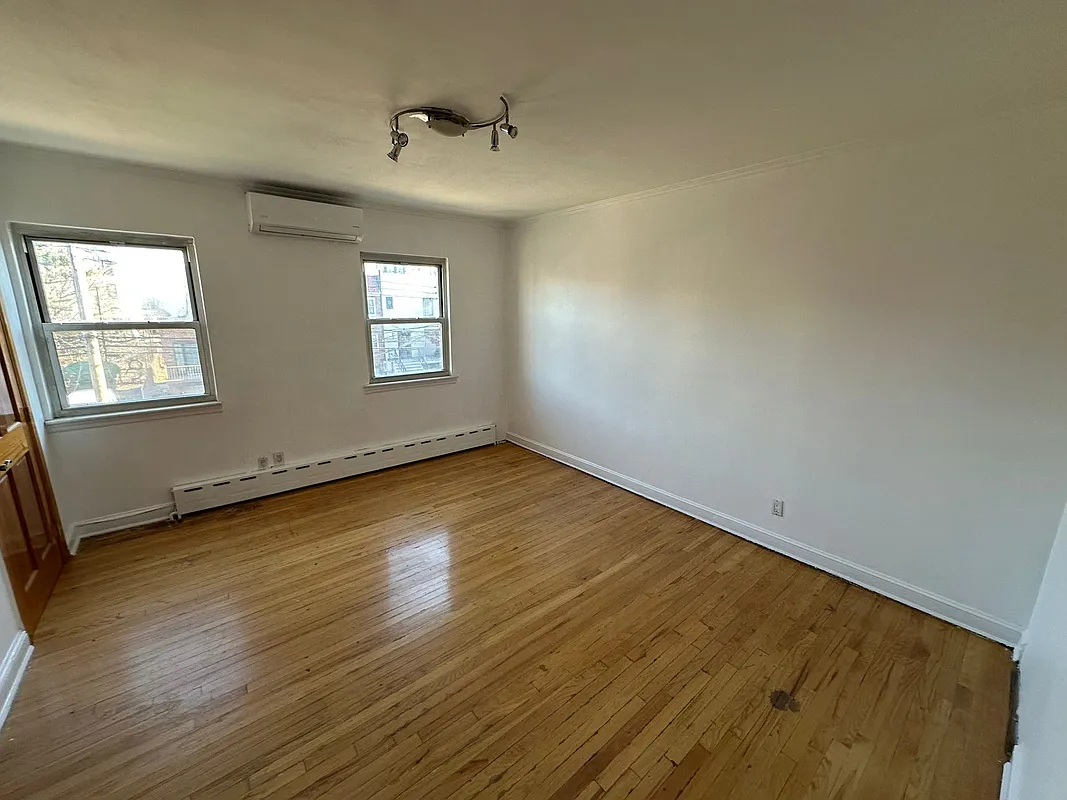
before
after · staged
before
The short version
Luxury photography is everyday best practice taken to its logical end: flawless composition, light that honours the house, a twilight hero shot, considered detail shots that telegraph craftsmanship, and the restraint to let the home speak. The approach matters too, because expectations are set at the gate.
Luxury buyers are shopping in a different register. They expect listing photos that feel like an editorial spread — considered, restrained, and rich with the details that justify the price. The bar is higher, but the principles aren't mysterious. Whether you're shooting a high-end home yourself or just want to understand what separates luxury photography from the everyday listing, these are the things that make a property look the part.
Composition is everything
Luxury photography lives and dies on composition. Every frame should feel deliberate:
- Lead the eye. Use sightlines — a hallway opening into a great room, a doorway framing a view — to draw the buyer through the home.
- Shoot straight and level. Perfect verticals and balanced framing read as precision, which is exactly the impression a luxury home needs to make.
- Frame the architecture. Capture the features that cost money — the millwork, the staircase, the wall of glass, the ceiling height — as intentional subjects, not background.
Light it like the home deserves
Luxury homes usually have spectacular light; your job is to honor it. Shoot rooms when the natural light is at its best, balance the interior so windows hold their view instead of blowing out, and avoid harsh on-camera flash that flattens a beautiful space. Our best time of day guide applies double here — at this price point, waiting for the right light is worth it.
Own the twilight shot
Nothing says "luxury listing" like a twilight exterior — the home glowing from within against a deep blue sky, landscape lighting on, pool lit up. It's the single most aspirational image in real estate, and at the high end it's almost expected as the hero shot. You don't necessarily need to hire it out; our DIY twilight photos guide shows how to capture that glow yourself.
Restraint reads as expensive.
The fastest way to make a luxury home look cheap is to over-stage and over-edit it. High-end style is about negative space, quality over quantity, and letting the architecture breathe. When in doubt, remove something.
Shoot the details
Beyond the wide room shots, luxury listings sell on detail — the close-ups that telegraph quality and craftsmanship:
- The faucet and stone in a primary bath.
- The range and hardware in a chef's kitchen.
- The wine room, the built-ins, the fireplace surround.
- A vignette of the view through a window.
These shots give the gallery texture and tell the buyer this home was built and finished with care.
Style to match the buyer
High-end staging leans into a clear, sophisticated aesthetic — often modern, transitional, or a refined version of the home's own architecture. The furnishings should look like they belong to a home at this price. Our interior design styles guide can help you choose a look that matches a luxury market, where mismatched or budget-looking staging undercuts the whole listing.
Don't forget the approach
Curb appeal carries extra weight at the top of the market — the gate, the drive, the landscaping, the front elevation all set expectations before a buyer steps inside. Treat the exterior with the same care as the interior; our curb appeal guide covers the front-of-house shot that anchors a premium listing.
Where Stylst lands
For a vacant high-end room, Stylst can place clean, sophisticated furnishings into the actual space in about 30 seconds for around a dollar — a fast way to show a luxury room's potential without renting designer furniture. It keeps the real architecture and proportions, with a Luxury style among its options. It's pay-as-you-go and on Google Play. Try it on a room — and at this price point especially, disclose any staging.
The bottom line
Luxury listing photography is everyday best practice taken to its logical end: flawless composition, beautiful light, a twilight hero shot, considered detail shots, and the restraint to let an expensive home speak for itself. Hit those notes and the photos do what the price demands — make the buyer feel the property is worth every dollar.
Questions people actually ask
What makes luxury listing photography different?
Precision and restraint rather than a different technique. High-end buyers notice a crooked vertical, a cluttered surface or a lazy angle, and a single sloppy frame undercuts the price. The details also carry more weight: at the top of the market the close-ups of materials and craftsmanship are doing real selling.
Is a twilight shot necessary for a luxury listing?
It is close to expected. A home glowing from within against a deep blue sky, with the landscape lighting on and the pool lit, is the image that reads as high-end more reliably than any interior. It is also the shot most likely to be used as the hero across every marketing surface.
Can virtual staging work for a luxury listing?
For a vacant high-end room it can place clean, restrained furnishings into the real space quickly, which is useful for showing potential without a full staging contract. Where it struggles is exactly where luxury lives: a specific designer point of view, unusual architecture, and furnishings a buyer at that level will recognise.