Virtual Staging for Rentals and Airbnb Listings
Empty units rent slowly. Staged photos help tenants and guests picture living there — for the price of a coffee.
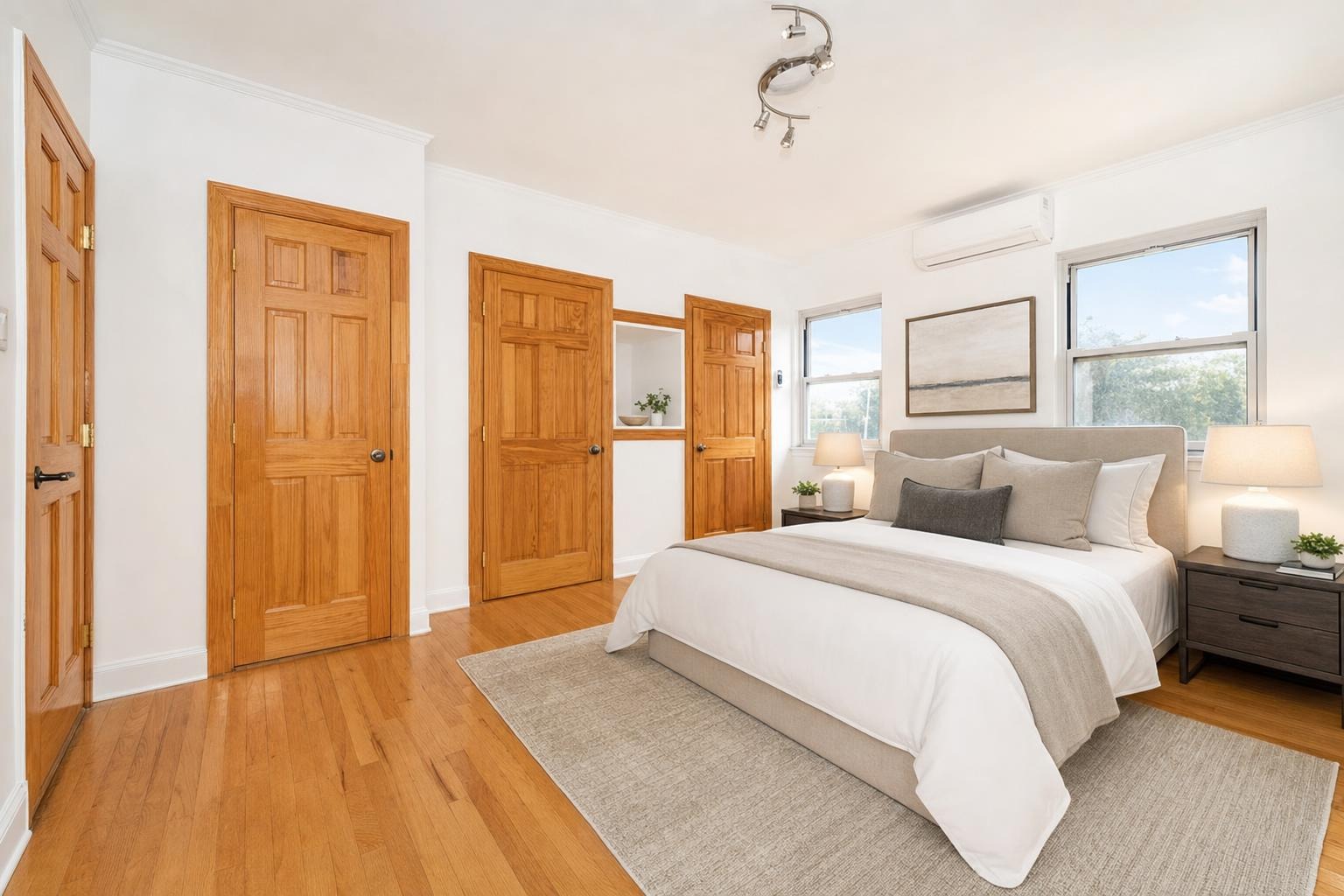
 after · staged
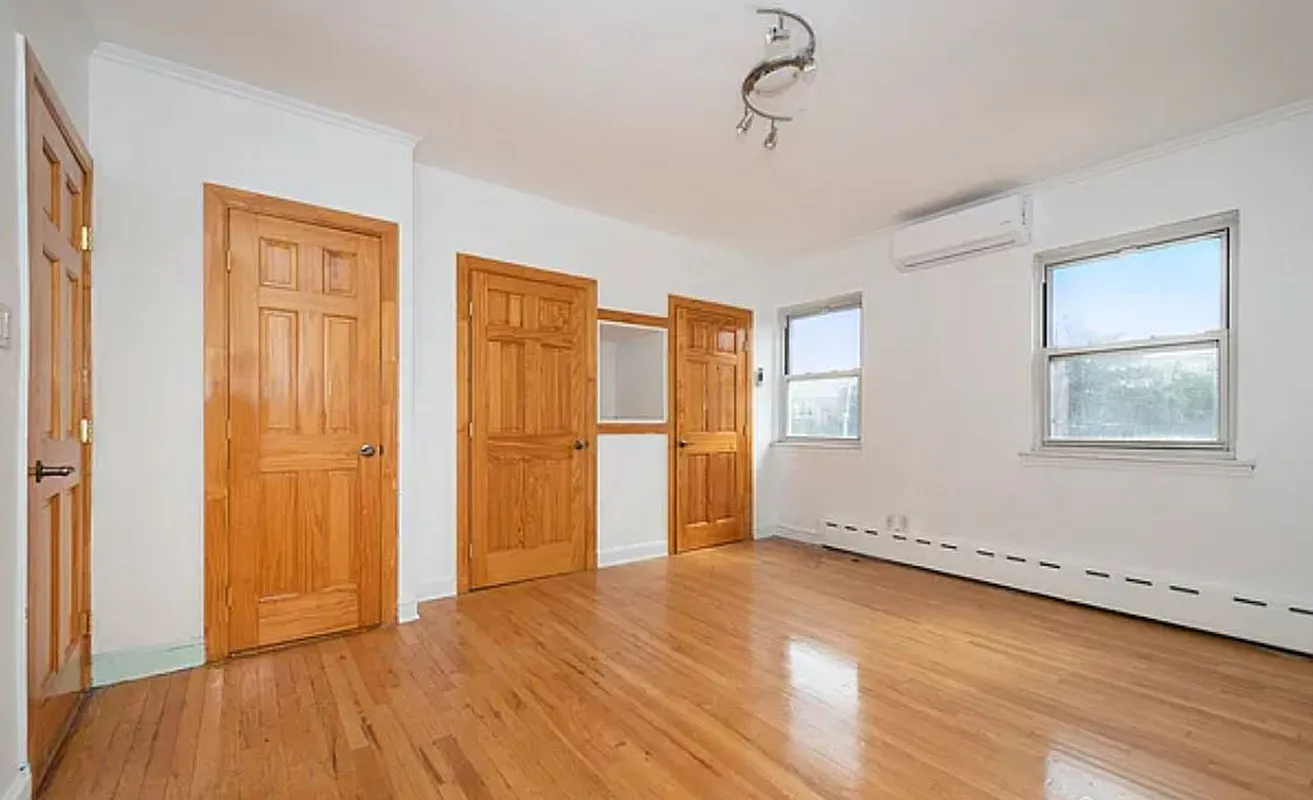
before
after · staged
before
The short version
Empty units rent slowly because an unfurnished room is hard to love online. For a long-term rental the job is helping a tenant picture the space furnished without you buying furniture. For a short-term rental the photos are not part of the pitch, they are the pitch.
Most virtual-staging advice assumes you're selling a house. But the same trick that helps a vacant home sell faster also helps a vacant rental fill faster — and the economics are even more favorable, because every day a unit sits empty is rent you'll never get back. Whether you're a landlord listing a long-term apartment or a host spinning up a new short-term rental, staged photos make an empty room read as a place someone could actually live.
Why empty rentals photograph cold
An unfurnished unit is hard to love online. Bare floors and blank walls give a renter nothing to anchor to — they can't tell if their bed will fit, where a desk would go, or whether the living room is cozy or cavernous. Listings full of empty rooms read as institutional, and they get scrolled past in favor of the unit down the street that looks lived-in. The photo is the entire first impression, and an empty photo wastes it.
Staging fixes that by giving the eye something to read. A furnished-looking room communicates scale, warmth, and function in a way an empty box never can — and it does it in the half-second a renter spends on each thumbnail.
Long-term rentals: show how the room works
For a long-term apartment or house, the goal isn't to fool anyone — it's to help a prospective tenant picture the space furnished without you having to buy and move in real furniture. Virtual staging lets you show:
- Where the bed fits in an oddly shaped bedroom, so renters stop worrying a queen won't work.
- That a "bonus" nook can be a desk, a reading corner, or a dining spot — function the empty photo leaves ambiguous.
- Scale and flow in an open-plan living area that otherwise reads as a confusing empty hall.
You keep the real layout, windows, and finishes — you're just adding furniture to the image so tenants can imagine living there. That's the whole job: more confident applicants, fewer wasted showings, a unit that rents before the next rent cycle starts.
Airbnb and short-term rentals: photos are the booking
For short-term rentals, photos aren't part of the pitch — they are the pitch. Guests book almost entirely on the strength of the gallery, and a furnished, inviting first photo is the single biggest lever on your booking conversion. A bright, well-staged living room or bedroom can be the difference between a full calendar and crickets.
But here's the honest caveat for hosts: a guest is going to stay in the actual unit, so your listing should ultimately show the real furnished space they'll walk into. Virtual staging is the right tool for two short-term-rental situations:
- Pre-furnishing marketing. You've bought the place, it's empty, and you want to open bookings or gauge demand before the furniture arrives. Stage the photos now, then swap in real shots once it's furnished.
- Showing potential. An under-furnished room can be staged to show what it could become — as long as you're upfront that it's a rendering, not what's there today.
What you should never do is stage an Airbnb to look like it has a sofa, a stocked kitchen, or a king bed it doesn't actually have. Guests arriving to a different room than the photos is how you collect one-star reviews. Be honest about what's really there.
Disclosure matters for rentals too.
Label staged photos as staged, and never imply furniture or amenities are included when they aren't. The principle is the same as on the sales side — don't mislead about what's actually in the unit. See how disclosure works.
The cost case is even stronger for rentals
On the sales side, virtual staging already wins on price against traditional staging. For rentals the math is almost absurd. A vacant unit costs you real money every single day it's empty — a $2,400/month apartment burns about $80 a day in lost rent. At roughly $1 a photo with no subscription, staging an entire unit costs less than a single day of vacancy. If better photos shave even a few days off your time-to-lease, the staging has paid for itself many times over.
There's no furniture to rent, no crew to schedule, no setup fee — the things that make physical staging impractical for most rentals. You shoot the empty rooms, stage the photos, and list.
How to stage a rental listing
- Shoot the empty rooms in good light — daytime, blinds open, straight-on angles. Clean, bright, level photos stage best.
- Stage the hero rooms first: the living room and primary bedroom do the most work on a thumbnail.
- Keep it realistic. Pick furniture and a style that fit the unit's size and price point — over-the-top luxury staging in a budget studio reads as fake.
- Label and be honest about what's included, especially for short-term rentals where the guest will see the real space.
That's the whole workflow, and it takes minutes, not days.
The bottom line
Virtual staging isn't just a tool for sellers. Landlords use it to help tenants picture a room furnished without buying a stick of furniture, and short-term hosts use it to market a place before it's furnished or to show what an empty space could become — always honestly. Against the cost of even a few extra vacant days, staging a whole unit for about a dollar a photo is one of the cheapest ways to rent faster.
Stylst stages a photo in about 30 seconds, keeps your real layout, and is pay-as-you-go with no subscription required. Stage your first rental photo and see what your empty unit looks like furnished.
Questions people actually ask
Does virtual staging work for rental listings?
Yes, and the cost case is stronger than on the sales side. A rental listing has a smaller marketing budget and turns over repeatedly, so anything requiring physical furniture is out. Staged photos help a prospect read the scale and layout, which is the specific thing a bare room fails to communicate.
Is staging a rental different from staging a sale?
The intent shifts. On a sale you are helping a buyer imagine owning the space. On a long-term rental you are showing how the room works, which usually means demonstrating that a real bed and a real sofa fit. On a short-term rental you are selling the experience of the stay itself.
Do I need to disclose staging on a rental listing?
Yes. A tenant or guest who arrives to an unfurnished unit they believed was furnished has a legitimate complaint, and on a short-term platform that becomes a bad review and a refund rather than a polite conversation. Label it clearly and the preview does its job without the downside.