Virtual Staging Cost in 2026: What Agents Pay Per Photo
From $1 apps to $100-a-room studios. Where the money goes, and how to pay less.
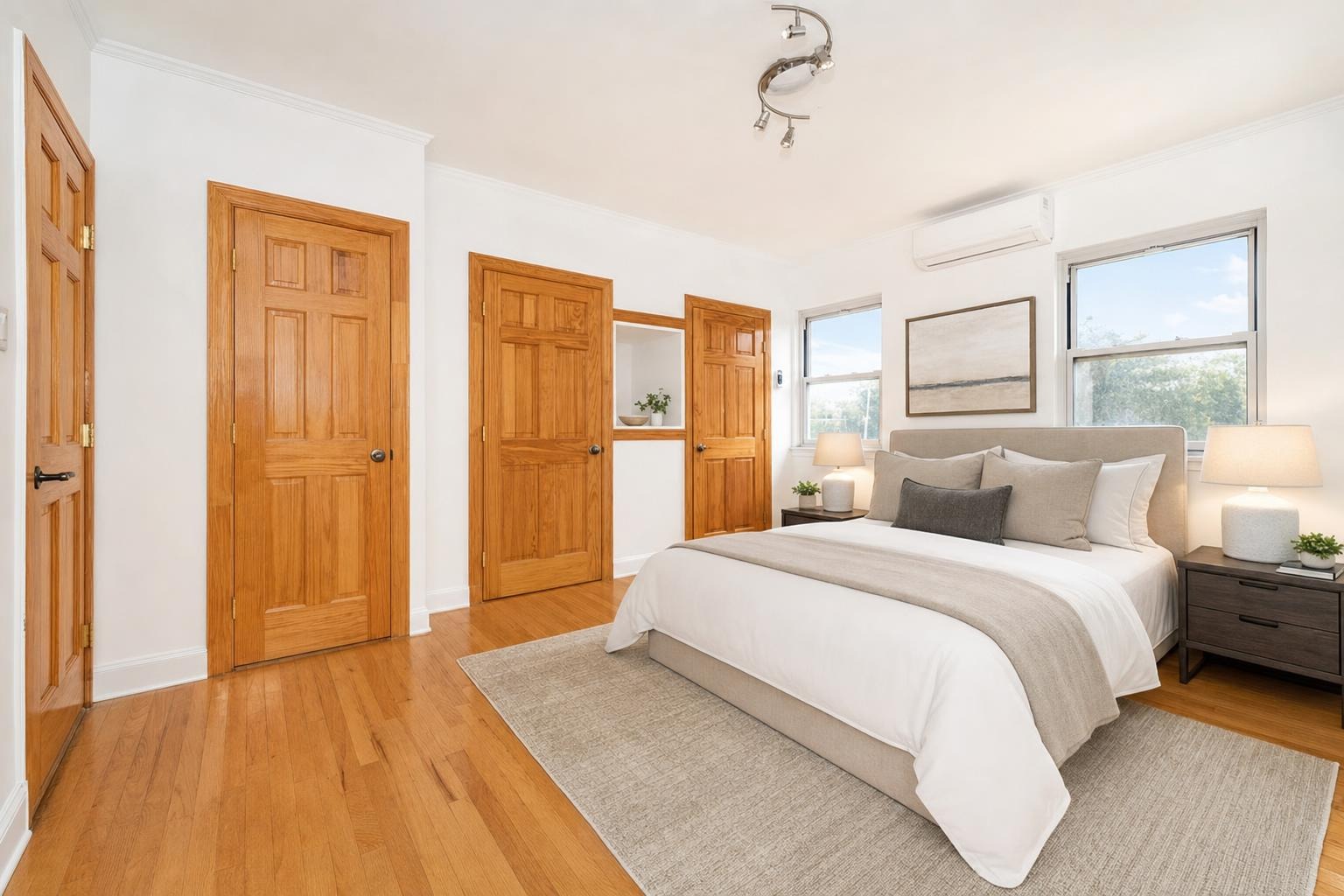
 after · staged
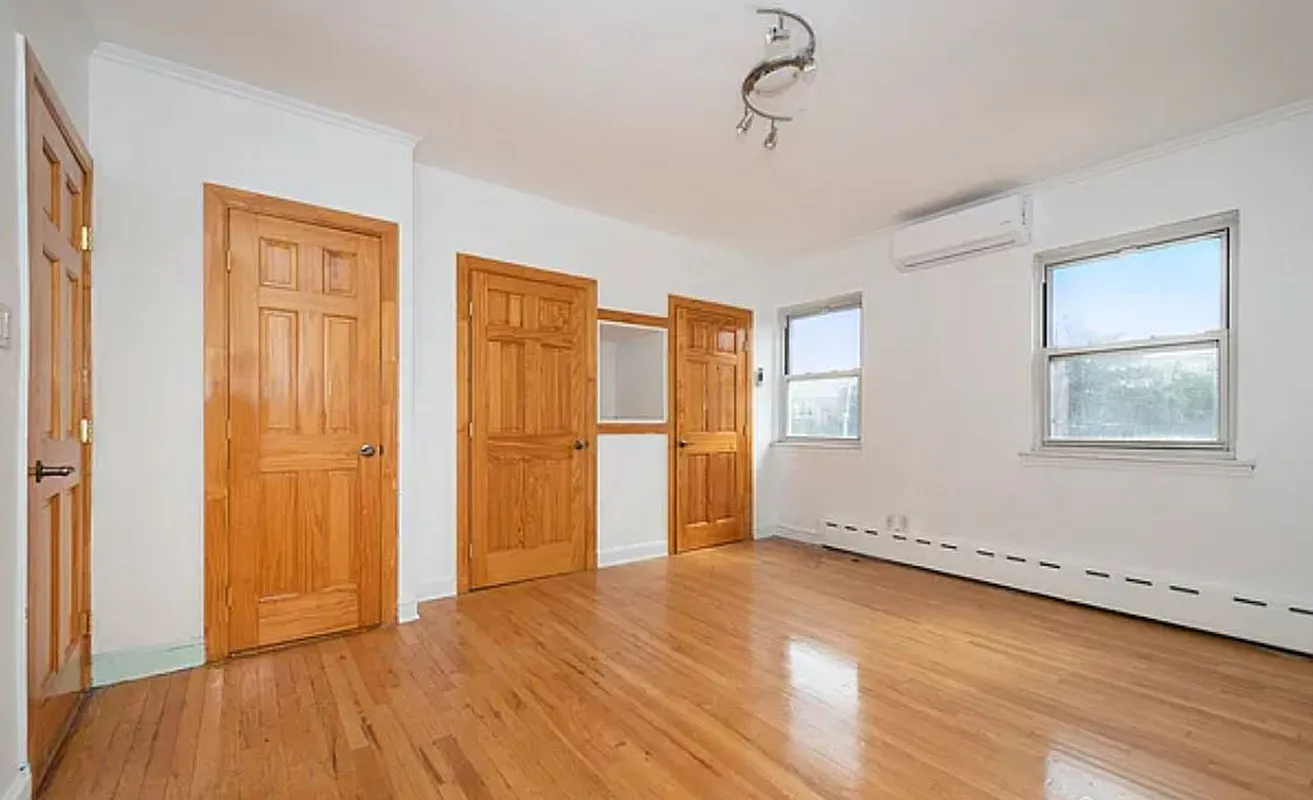
before
after · staged
before
The short version
A virtually staged image runs anywhere from about a dollar to a hundred, and the gap is almost entirely whether a human touches every photo. Watch the pricing model as much as the headline number, and read past it for revision fees, rush surcharges, subscription lock-in and expiring credits.
If you've shopped for virtual staging, you've seen the prices bounce all over the place — a dollar here, a hundred dollars there, monthly plans, "first one free," credit bundles. It's genuinely confusing, and the confusion isn't an accident. Different providers are selling different things under the same two words. Here's what virtual staging actually costs in 2026, what you're paying for at each tier, and how to keep the bill low without ending up with photos that look fake.
The overall range
Across the whole market, a single virtually staged image runs anywhere from about $1 to $100 or more. The spread comes down to one question: is a human designer touching every photo, or is software doing the work?
- $1–$5 per photo: app-based and AI tools. You upload a room, the software stages it, you get it back in about 30 seconds.
- $15–$40 per photo or room: mid-tier online studios with human editors and a day or two of turnaround.
- $50–$100+ per room: concierge and high-end studios with named designers, premium furniture catalogs, and multiple revision rounds.
For a typical 8-photo vacant listing, that's the difference between under ten dollars and several hundred.
| Tier | Per photo | Who does the work | Turnaround |
|---|---|---|---|
| App-based AI | $1–$5 | Software | About 30 seconds |
| Mid-tier online studio | $15–$40 | Human editors | A day or two |
| Concierge studio | $50–$100+ | Named designers | Several days |
The common pricing models
Providers package the same service four different ways, and the model matters as much as the headline number:
- Per-photo: you pay for each image you stage. Simplest to predict, and the model most app-based tools use.
- Per-room: common with human studios. Sounds the same as per-photo, but a "room" can mean multiple angles, and pricing climbs with the room's complexity.
- Monthly subscription: a flat fee for a set number of images per month. Great if you list constantly, expensive if you don't — you pay in slow months too.
- Credit packs: you buy a bundle up front and spend it as you go. The per-photo price usually drops as the pack gets bigger.
What drives the price up
When you see a $90 quote next to a $1 one, these are the factors doing the work:
- Human designers vs. AI. Hands-on editing is the single biggest cost. A person's time is what you're really renting at the high tiers.
- Revisions. "Two free rounds, then $20 each" adds up fast when a buyer's agent wants the sofa swapped.
- Rush turnaround. Need it before Thursday's MLS go-live? Expedited delivery often carries a 25–50% surcharge.
- Premium furniture catalogs. Designer and luxury furnishing libraries cost more than the standard set.
- Account minimums. Some studios require a minimum order or a setup fee before they'll touch a single photo.
DIY app vs. done-for-you service
The real choice is who does the work. A DIY app puts you in control: you upload, pick a style, and get the result in about 30 seconds for a dollar or two. A done-for-you service hands the job to an editor — you brief them, wait a day or two, and pay for their time. Done-for-you makes sense when you want a designer's eye on a tricky luxury space and don't mind the cost. For the everyday vacant or lightly furnished listing, the app wins on speed and price by a wide margin, and modern AI results hold up next to hand-edited ones. We break the two approaches down further in virtual vs. traditional staging.
Watch the hidden costs.
The sticker price is rarely the final bill. Revision fees, rush surcharges, and subscription lock-in — where you keep paying a monthly fee between listings — are where "cheap" virtual staging quietly gets expensive.
Hidden costs to watch for
Before you commit to a provider, read past the headline number for these:
- Revision fees. Confirm how many edits are included and what each extra one costs.
- Rush fees. If your timeline is tight, the standard turnaround may not be the price you actually pay.
- Subscription lock-in. A monthly plan keeps charging in months you don't list. If your volume is uneven, you're funding empty months.
- Expiring credits. Some credit packs expire — buy in bulk for the discount and you can lose what you don't spend in time.
Where Stylst lands
Stylst sits honestly at the low end. Monthly plans run $1.20 to $1.50 a photo; one-time packs run $1.30 to $1.70 a photo with no recurring charge. Packs mean you never pay in a month you don't list, and credits stay valid while you use Stylst — buy a pack, use it whenever the next vacant listing comes up. Results come back in about 30 seconds, and it's available on Google Play. No designer, no revision tab, no rush surcharge — you upload a room and get a staged photo back.
The bottom line
Virtual staging can cost a dollar or a hundred, and the gap is almost entirely about whether a human is in the loop. For most listings, an app-based tool gets you a clean, professionally staged photo for the price of a coffee — and because staged listings tend to sell faster (see do staged listings sell faster), even a few dollars per image is one of the highest-return things you can spend on a listing. Pick the pricing model that matches how often you list, read the fine print for revision and rush fees, and you'll rarely need to pay more.
Questions people actually ask
How much does virtual staging cost per photo?
Roughly one to five dollars from app-based AI tools, fifteen to forty from mid-tier online studios with human editors, and fifty to a hundred or more from concierge studios. For a typical eight-photo vacant listing that is the difference between under ten dollars and several hundred.
What makes virtual staging expensive?
Human editing time, more than anything else. After that it is revision fees once the included rounds are used, rush surcharges for expedited turnaround, premium furniture catalogues, and account minimums. The headline price is rarely the final bill on a service that bills for revisions.
Is a subscription or pay-per-photo cheaper for virtual staging?
It depends on how evenly you list. A subscription wins if you stage a predictable volume every month. Pay-per-photo wins if your listing flow is uneven, because a monthly fee keeps charging in the months you have nothing to stage, and most individual agents have several of those a year.