Staging Commercial Real Estate Listings: Offices, Retail, and Mixed-Use
Empty commercial space is the hardest of all to picture in use. Staging gives it context.
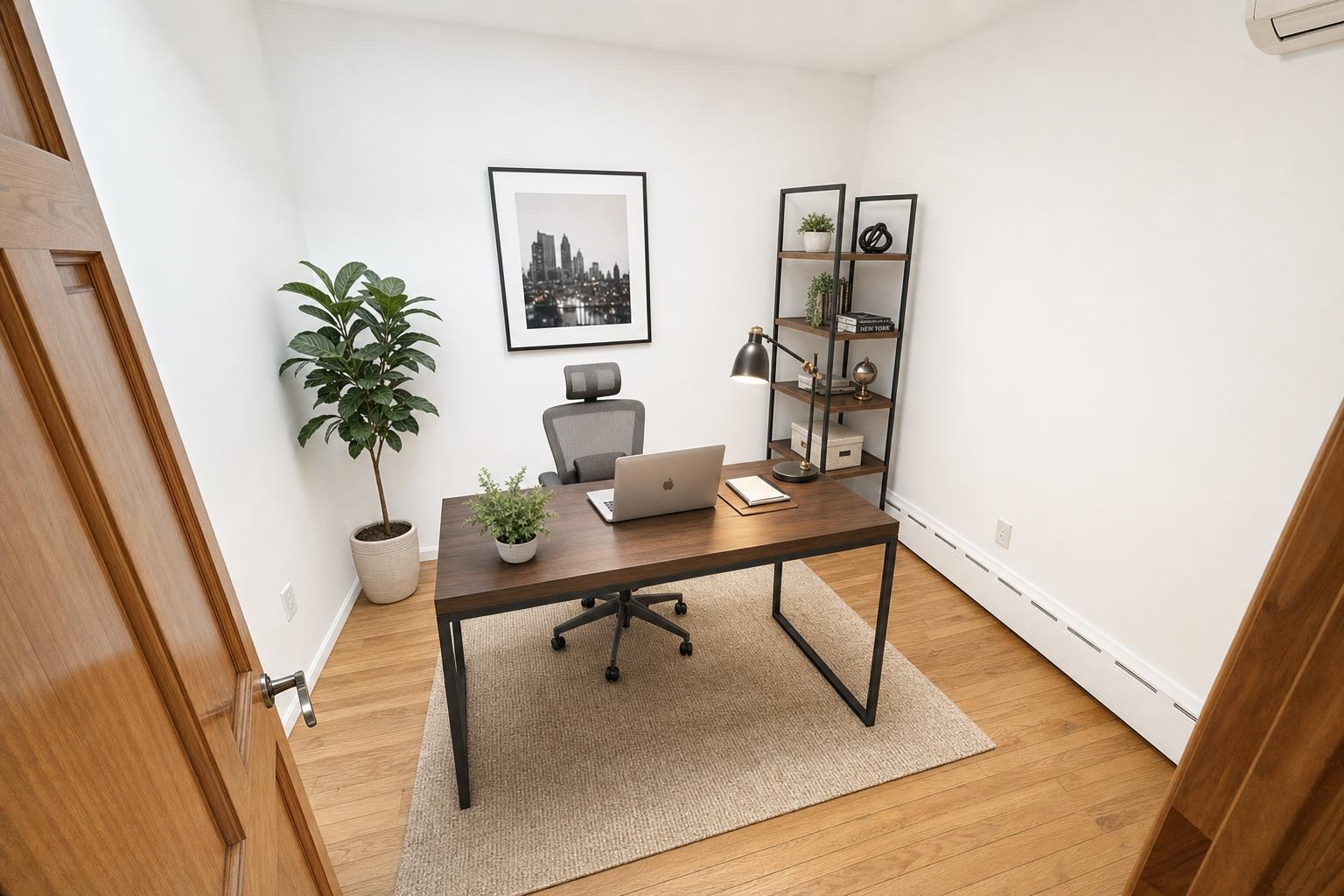
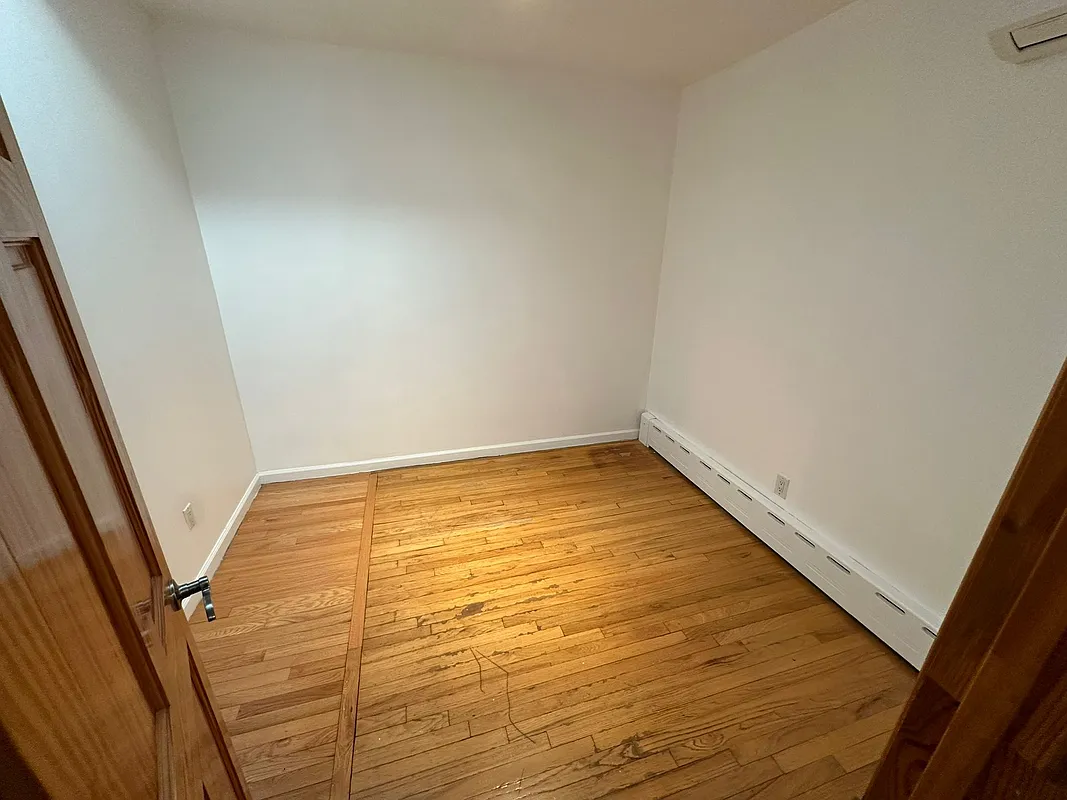 after · staged
before
after · staged
before
The short version
An empty commercial shell asks a tenant to do the hardest kind of imagining. Staging a vacant suite as a working reception, a conference room or an open-plan floor gives them an anchor for scale and flow. It is not a space plan and must never be presented as one in a lease negotiation.
Residential buyers already struggle to picture an empty room in use — commercial tenants have it worse. A vacant office suite or retail shell has no reference furniture at all, often an odd or cavernous floorplan, and a prospective tenant touring it has to imagine an entire built-out business from bare walls and exposed ceiling grid. Staging gives that blank space the context a floor plan on its own can't.
What staging can do for a commercial listing
A vacant office suite staged as a working reception area, a conference room, or an open-plan floor gives a prospect an anchor for scale and flow that an empty shell simply doesn't provide. It works particularly well for the shots that get the most attention in a listing package — the entry, the largest open area, and any distinctive architectural feature.
What it can't do
Be upfront about the limits: a staged photo isn't a substitute for a real space plan or an architect's build-out drawing, and it shouldn't be presented as one in lease negotiations. Treat it the same way a residential staged photo is treated — a marketing aid that shows potential, not a technical document a tenant should rely on for square-footage or layout decisions.
Mixed-use adds another layer
A building with ground-floor retail and residential units above needs each space staged for its own audience — a retail buildout example for the storefront, a livable layout for the units upstairs. The residential floors follow the same logic as condo and apartment listing photos; the ground-floor commercial space needs its own, separate treatment.
Disclosure matters more here, not less.
Commercial tenants sign long leases based partly on their impression of a space during touring and in marketing photos. Always label a staged commercial photo as a conceptual rendering, never as the current build-out — the same disclosure logic in is virtual staging legal? applies, arguably with higher stakes given lease length.
Where these photos go
Broker flyers, offering memorandums, and listing platforms like LoopNet and Crexi all lean heavily on photos to communicate a space's potential when there's no existing build-out to photograph. A staged suite gives a broker something stronger to lead with than a bare, empty shell shot.
Cost against a commercial rendering studio
A dedicated commercial rendering or visualization studio can run well into the hundreds per image for a full build-out concept. A quick AI-staged photo won't replace that for a major leasing campaign, but for the fast turnaround needed on a routine vacancy listing, it's a fraction of the cost. See virtual staging cost for the comparison.
Where Stylst lands
Batch a multi-suite building's entire vacancy report through the same staging pass in one sitting, pay-as-you-go with no retainer. Stage a photo on your next vacant suite.
The bottom line
A bare commercial shell asks tenants to do the hardest kind of imagining. Stage it to show a workable layout, keep the disclosure clear given the length of a commercial lease, and let the photo carry the weight an empty floor plan alone can't.
Questions people actually ask
Can you virtually stage commercial real estate?
Yes, and vacant commercial space benefits from it more than most residential does, because a bare shell gives a prospect nothing to judge scale or flow against. Staging a suite as a working office, a reception area or a fitted retail unit turns an abstract square-footage number into a space someone can picture their business in.
Is a staged commercial photo the same as a space plan?
No, and the distinction matters legally as well as practically. A staged photo is a marketing image showing one plausible use of the space. It is not an architect's build-out drawing, it carries no dimensional guarantee, and it should never be handed over as though it were during a lease negotiation.
Where do commercial listing photos actually get used?
Broker flyers, offering memorandums, and platforms like LoopNet and Crexi, all of which lean heavily on imagery precisely because there is usually no existing build-out to photograph. That is also why the staged version outperforms the empty one: it is competing against other listings that are equally bare.