Condo & Apartment Listing Photos
No curb appeal, no backyard, tighter rooms. The photo strategy for a condo is different — here's how to sell the space you have.
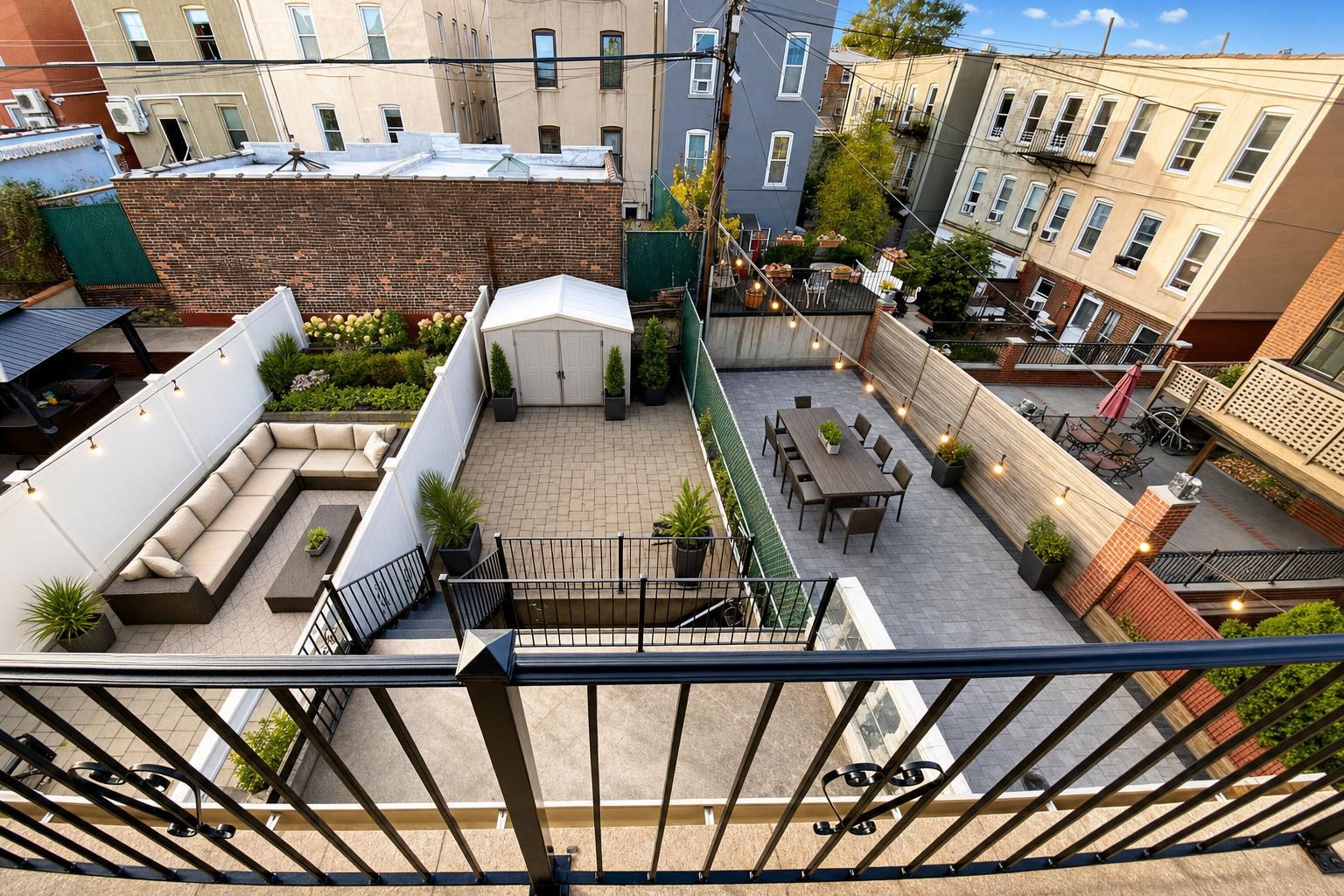
 after · staged
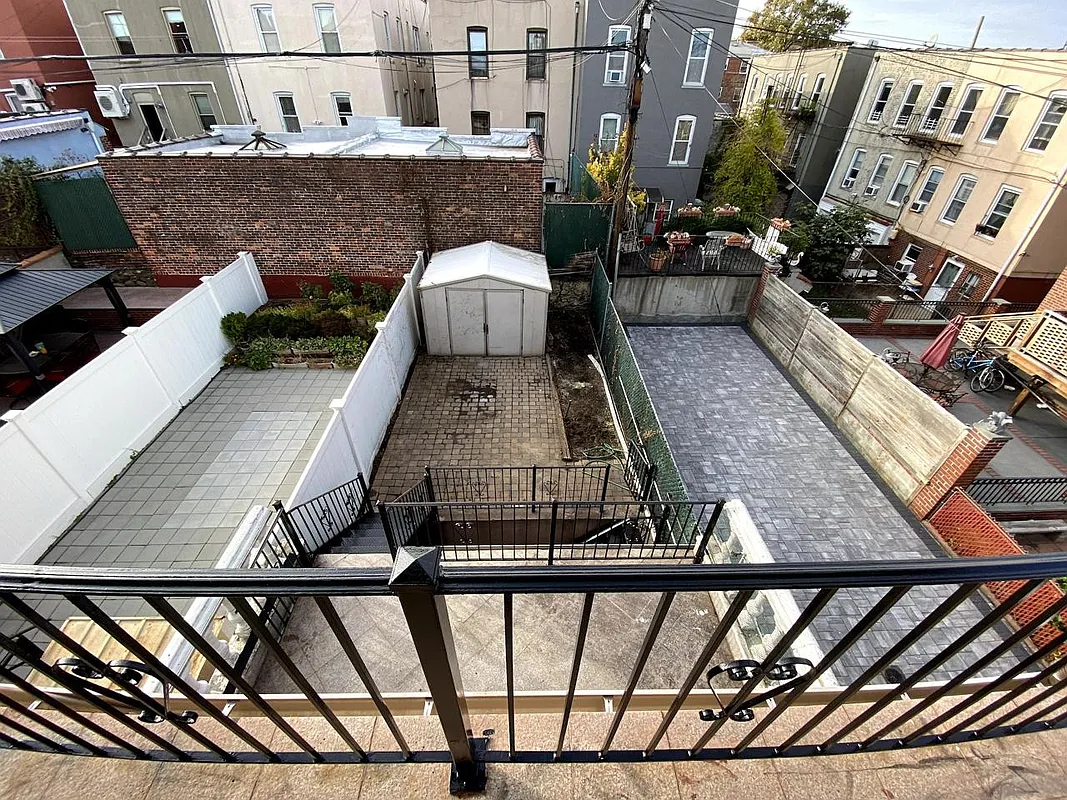
before
after · staged
before
The short version
A condo has no curb appeal and no backyard, so the strategy inverts: lead with the interior rather than the building, attack the small-room problem directly with angle and light, sell the view, and do not skip the amenities, because a condo buyer is buying the building as much as the unit.
Selling a condo or apartment is a different photography problem than selling a house. There's usually no exterior worth shooting, no yard, and no room to back up. What you do have is the interior, the light, the view if there is one, and the building's amenities — and those have to carry the whole listing. The good news: buyers browsing condos already know they're buying a unit, not a lot. They just want to see that the space is bright, well-proportioned, and move-in ready.
Lead with the interior, not the building
For a house, the cover photo is usually the exterior. For a condo, that logic flips — a photo of a generic apartment building does nothing to sell your specific unit. Lead with your strongest interior instead: the main living area, the kitchen, or the view. Save a shot of the building's entrance or facade for later in the gallery, if at all. The one exception is a genuinely striking building or a marquee address, where the exterior is part of the value.
Work the small-space problem head-on
Condos are often compact, and tight rooms are where phone photos struggle most. The fixes:
- Shoot from the corners. Standing in a doorway or corner and shooting across the room captures the most space and shows how rooms connect.
- Get the whole room, not a wide-angle warp. A moderately wide frame reads as honest; an ultra-wide fisheye that bends the walls reads as a trick. See wide-angle without the distortion.
- Declutter hard. In a small space every object counts double. Clear the counters, the floor, and the surfaces. Our declutter checklist is doubly important here.
The whole point is to make a compact unit feel open and airy. For the full playbook on this, see how to make small rooms look bigger.
Sell the light and the view
Light and views are two of a condo's biggest selling points, and both are easy to lose in a photo. Shoot when natural light fills the unit, open every blind and curtain, and turn on the lamps to warm the room. If the unit has a real view — a skyline, water, a park — make it a hero shot: expose so the room and the window both read, rather than blowing the view out to white. A well-captured view can be the single photo that sells the place. If the unit is on a low floor or faces a wall, don't fake a view; lean into brightness and the interior instead.
Don't skip the amenities
With a condo, buyers aren't just buying the unit — they're buying the building. Shared amenities are part of the value and belong in the gallery:
- The lobby or entrance, if it's nice.
- The gym, pool, roof deck, or lounge.
- Parking, storage, or a bike room if included.
- The balcony, terrace, or any private outdoor space — this is a big one, so give it a real shot.
A couple of clean amenity photos near the end of the set tell buyers the lifestyle extends beyond the front door.
Empty unit? Stage it so the scale reads.
Vacant condos are common — investors, first sales, tenant turnovers — and empty rooms photograph small and cold, with no reference for how a sofa or bed actually fits. Stylst keeps the real room and adds furniture scaled to the space, in about 30 seconds a photo, so buyers can picture living there. Disclose staged photos in the listing.
Keep the set consistent and complete
A condo listing is a smaller set than a house — often 12 to 20 photos — so every one has to earn its place. Cover the main living area (two angles), the kitchen, each bedroom, each bathroom, any outdoor space, the view, and the key amenities. Keep brightness and white balance consistent across the whole set so it looks like one professional shoot. Then order it like a walkthrough, strongest shots first — the same logic as our Zillow photo tips. Do that, and a modest unit competes with anything in the building.
Questions people actually ask
Should a condo listing lead with the building exterior?
Usually not. For a house the cover is the exterior because the house is the product. For a condo the building is shared and often unremarkable, and the thing being sold is the unit. Lead with the best interior space or the view, and put the building further down the set where it provides context.
How do you photograph a small condo so it looks bigger?
Shoot from a corner rather than square to a wall, keep the camera at about chest height, and get the verticals straight so the walls do not lean in. Clear surfaces aggressively, because clutter eats visual space faster in a small room than a large one. Wide is good, distorted is not.
Should condo photos include the building amenities?
Yes. A condo buyer is buying the gym, the roof deck, the lobby and the parking as much as the unit itself, and those are often what differentiates one building from another on the same street. A condo set is small, typically twelve to twenty photos, so include the amenities that genuinely affect the decision.