Do Staged Listings Sell Faster? What the Data Says
Days-on-market, sale price, and the numbers behind staging a listing.
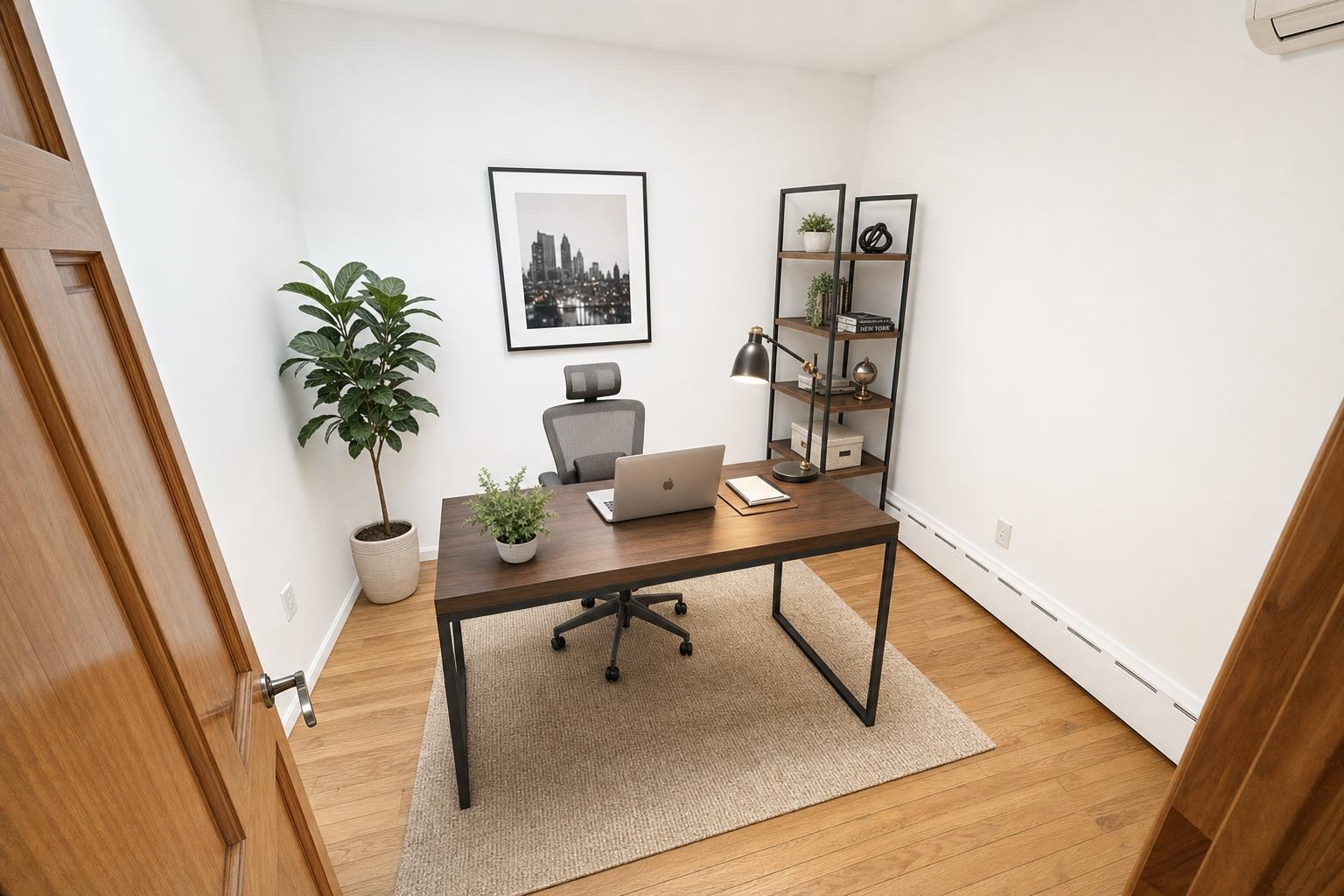
 after · staged
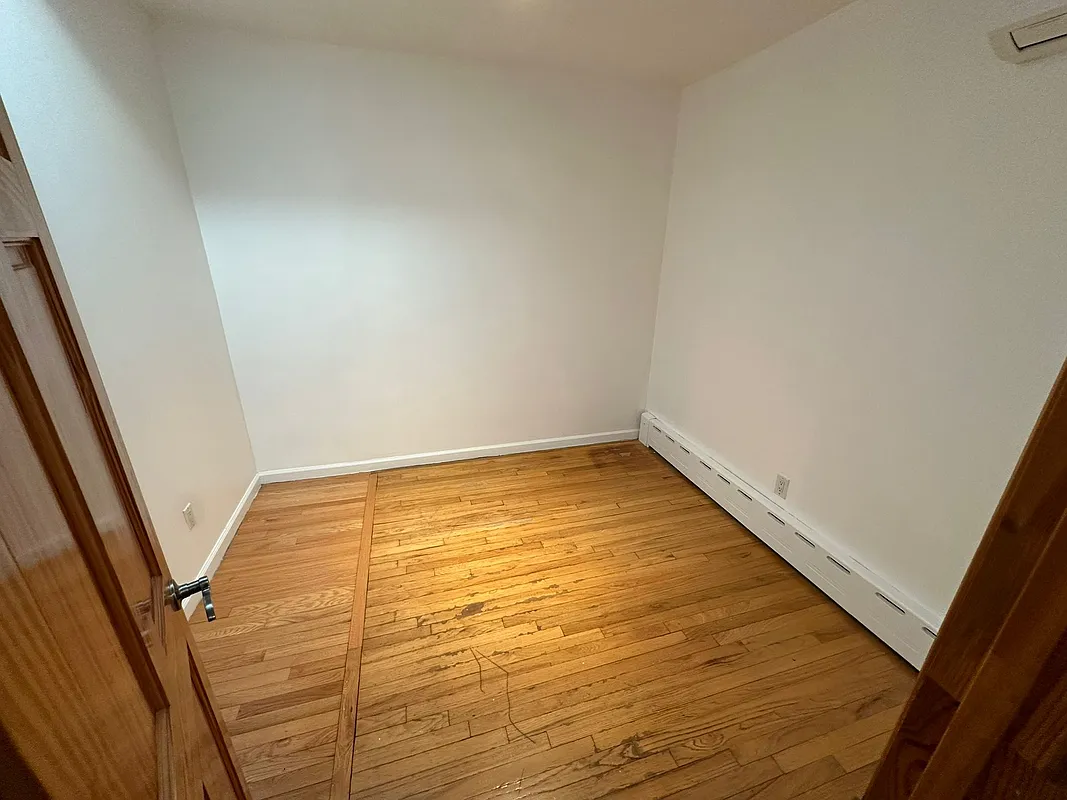
before
after · staged
before
The short version
The first showing now happens on a screen, which is what makes staging matter: it gives buyers a sense of scale and a reason to linger that an empty room cannot. Be careful with the confident percentages floating around, because the industry surveys behind them are mostly self-reported opinion rather than controlled measurement.
It's one of the most-asked questions in real estate: does staging actually help a home sell faster, or is it just a feel-good expense? The honest answer is that staging is one lever among several — but the evidence and the experience of working agents both point the same direction. Staged listings tend to move faster and can pull stronger offers, and the reason is simpler than most sellers expect: by the time a buyer walks through the door, they've already decided how they feel about the home from the photos.
The first showing happens online
The single most important shift in how homes sell is that the search now starts on a screen. Industry surveys, including the long-running buyer and seller studies from the National Association of Realtors (NAR), consistently find that the vast majority of buyers begin their home search online, and that listing photos rank among the most useful features of any listing. A buyer scrolls dozens of listings in a sitting and decides in seconds which ones earn a tour.
That means the photo is the first showing. An empty or poorly presented room gets skipped before a buyer ever reads the description, checks the school district, or notices the price. If the picture doesn't stop the scroll, nothing else on the listing gets a chance to.
Why staging changes buyer behavior
Staging works because it does two things an empty room can't:
- It lets buyers picture living there. Furniture and styling give people a story to step into. An empty room asks the buyer to do imaginative work; most won't.
- It communicates scale. A bed, a sofa, a dining table — these are visual rulers. Without them, buyers can't tell whether a bedroom fits a king or whether the living room is generous or tight, and uncertainty makes people hesitate.
Remove the guesswork and you remove a reason to scroll past. That's the whole game in the photo grid.
What the studies and surveys generally suggest
You'll see a lot of confident percentages thrown around about staging, and it's worth being careful with them. The defensible, widely repeated findings are directional rather than precise:
- Agent and stager surveys generally report that staged homes tend to sell faster — fewer days on market — than comparable unstaged ones.
- Many of those same surveys find agents believe staging can increase the value buyers are willing to offer, or at least reduce the discount a bare home invites.
- NAR's research repeatedly highlights that staging the living room, primary bedroom, and kitchen matters most, because those are the rooms buyers weigh hardest.
The throughline is consistent across sources even when the exact numbers aren't: presentation affects how quickly and how well a home sells. That's a much safer claim than any single headline statistic.
Why virtual staging captures most of the effect
Here's the part that reframes the whole question. If the buyer's first — and often only — encounter with your home is the listing image, then staging the photo captures most of the online advantage of staging the room. The empty house behind the picture doesn't change a buyer's scroll-stopping decision; the picture does.
That's why virtual staging punches so far above its cost. Traditional staging can run thousands of dollars per vacant home; virtual staging runs a few dollars per image and produces the same furnished, move-in-ready feeling in the grid. We break down the side-by-side in virtual staging vs. traditional staging, and the per-photo economics in our guide to virtual staging cost.
For sellers and agents watching every dollar — especially anyone selling on their own — the leverage is obvious. If you're listing without an agent, the FSBO photo playbook walks through getting a listing-ready photo set on a budget.
The photo is the asset, not the furniture.
Whatever sits in the room at a showing, the listing lives or dies on the image a buyer sees first. Stage that image well and you've won the part of the sale that happens before anyone visits.
The honest caveats
Staging helps, but it isn't magic, and pretending otherwise does sellers a disservice:
- It's one factor among many. Price, location, condition, and the broader market do most of the heavy lifting. A well-staged listing that's priced wrong still sits.
- Correlation isn't proof. Sellers who stage often also price sharply and prep thoroughly, so some of staging's measured edge reflects sellers who simply run a tighter process.
- The room behind the photo still has to deliver. Staging makes buyers want to tour. Once they're inside, condition and honesty take over — which is also why virtually staged photos must be disclosed.
The bottom line
Does staging help sell homes faster? The weight of evidence and agent experience says yes — and crucially, most of that benefit is won in the listing photo, where the buyer's first impression is actually formed. That's what makes staging the image the highest-leverage move on the board: small cost, outsized effect on whether your listing earns the tour.
Stylst stages a photo in about 30 seconds, pay-as-you-go at roughly $1 a photo with no subscription, and it's on Google Play. Snap the room, get a furnished, listing-ready image, and let the first showing do its job.
Questions people actually ask
Do staged homes actually sell faster?
The evidence generally points that way, but it is softer than the numbers you see quoted. Most widely cited staging statistics come from industry surveys asking agents what they believe rather than from controlled studies, so treat a specific percentage with suspicion. The mechanism is real even where the exact figure is not well established.
Why does staging change buyer behavior?
It does two things an empty room cannot. It gives a sense of scale, so a buyer can tell whether their bed or sofa fits, and it gives a reason to linger, because a furnished room invites you to picture living in it. Online, lingering is the metric that decides whether a listing gets a showing.
Does virtual staging capture the same benefit as physical staging?
For the online half of the effect, largely yes, because the first showing happens in a photo and a virtually staged photo does the same job there for a fraction of the cost. What it cannot do is affect the in-person showing, where a physically staged home still feels furnished and a virtually staged one is still empty.