Drone & Aerial Real Estate Photos
Aerials sell context — lot size, setting, and the land the home sits on. Here's when they're worth it and how to get them right.
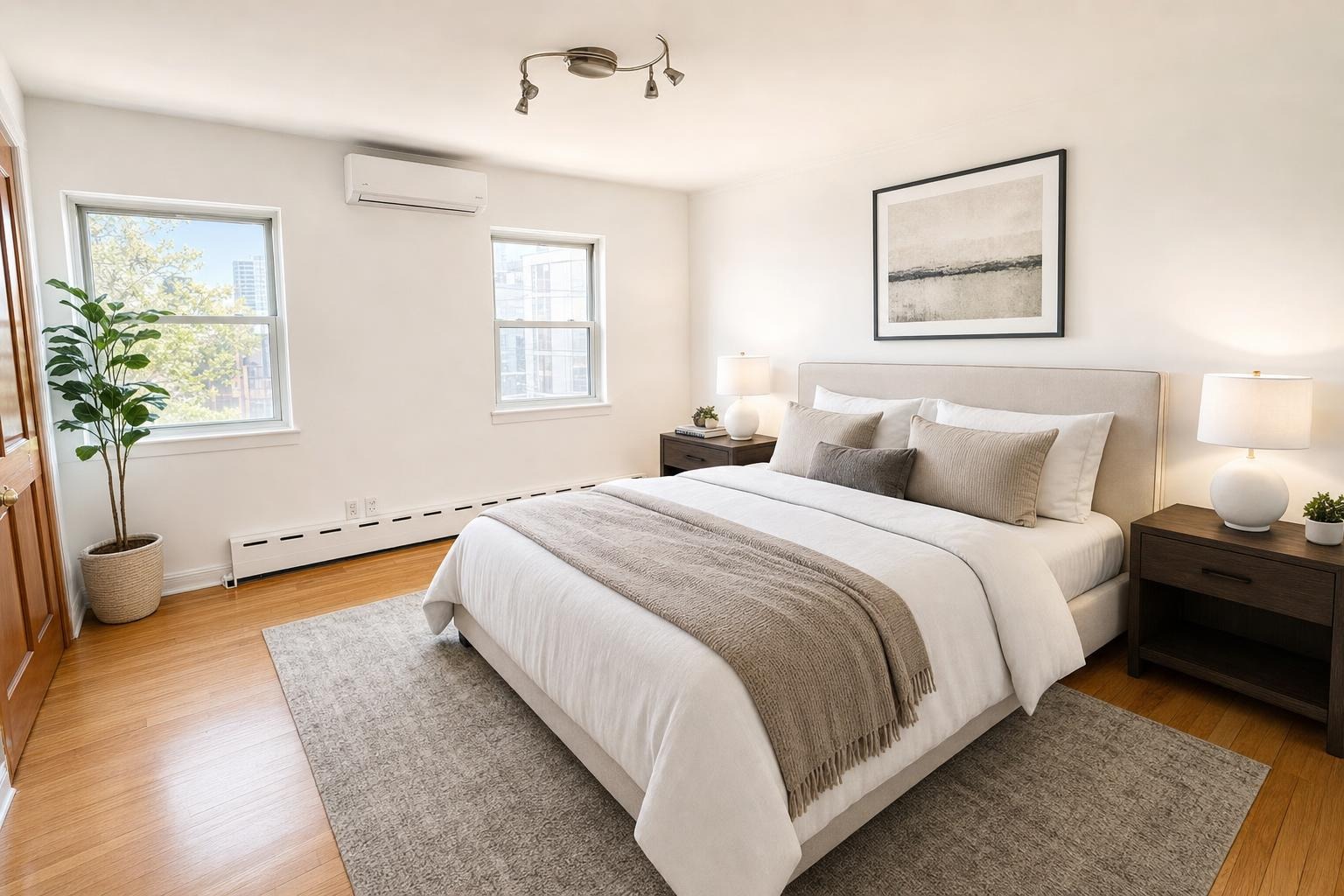
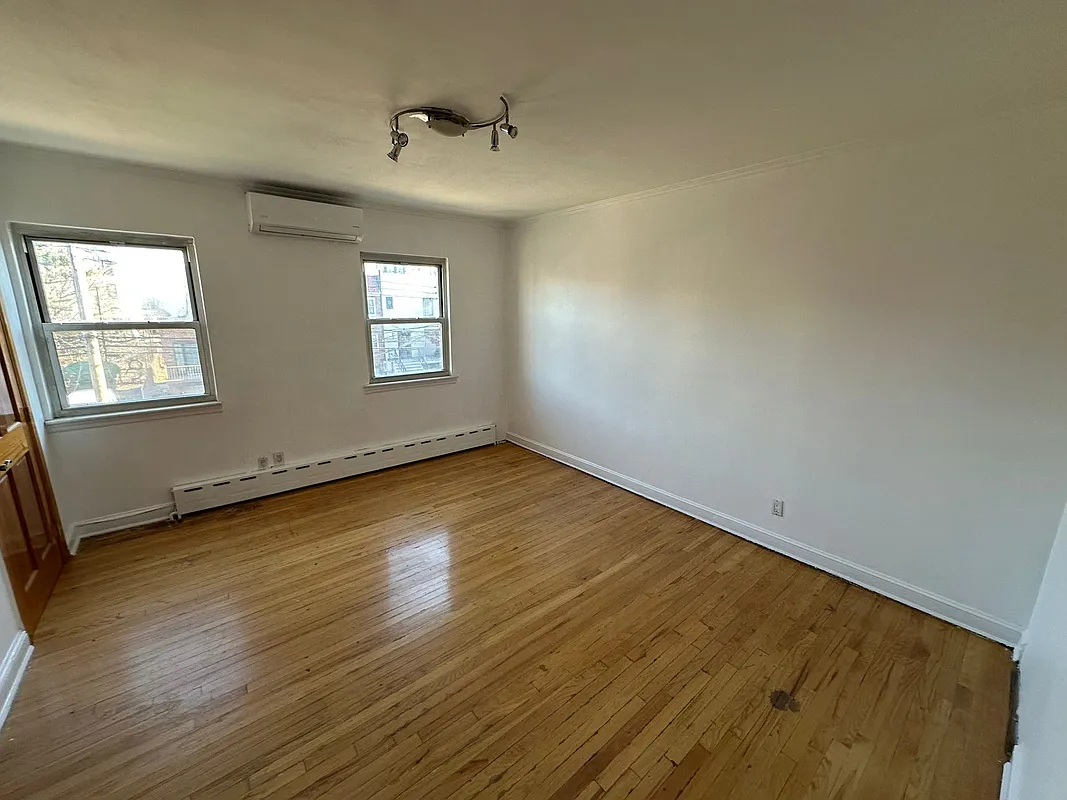 after · staged
before
after · staged
before
The short version
Aerials sell context: lot size, setting, and the land the home sits on. Reach for one when the location or the acreage is part of the pitch, not by default. In the US, flying for a listing is commercial use and needs an FAA Part 107 certificate, and one or two aerials in a set is plenty.
A drone shot does one thing no ground-level photo can: it shows the home in its setting. Lot size, the shape of the yard, proximity to water or woods or a golf course, the roofline, the driveway, how the property sits on the street — all of it reads instantly from above. For the right listing, one or two aerials answer the questions a buyer would otherwise have to drive out to ask. For the wrong listing, they're an expensive shot of a rooftop and a neighbor's fence.
When aerials actually help
Reach for a drone when the land or location is part of the sell:
- Large lots and acreage — the only way to convey five acres is from the air.
- Waterfront, wooded, or view properties — proximity to the lake, the tree line, or the ridge.
- Homes with strong outdoor features — a pool, a big deck, a detached garage or barn, mature landscaping.
- Rural or estate properties where the setting is the point.
Skip the drone when it works against you: a small in-fill lot, a home wedged between larger houses, a tired roof, or a property right next to something unappealing. An aerial that reveals a cramped lot or a busy road does more harm than a missing shot.
Fly legally
In the US, flying a drone for a listing is a commercial use, which means the pilot needs the FAA's Part 107 Remote Pilot certificate — a personal-hobby exemption doesn't apply when the photos help sell a property. On top of that: register the drone, check for airspace restrictions before you fly (many areas near airports require authorization), keep the aircraft in visual line of sight, and respect the neighbors' privacy. If you're not certified, hire a Part 107 pilot for a couple of hours; it's a common, affordable service in most markets. Cutting the legal corner isn't worth the liability on a listing that's public by design.
Getting a clean aerial
The same light rules that govern ground photography apply in the air — arguably more so, because you can't dodge harsh overhead sun with a wall.
- Shoot in the golden hours. Early morning or the hour before sunset gives long, soft light and warm tones. Midday sun flattens everything and blows out the roof. See the best time of day to shoot.
- Keep the horizon level and the home centered — or use the rule of thirds deliberately. A tilted horizon looks amateur even from 200 feet.
- Fly a few altitudes. A lower, angled shot shows the house and immediate yard; a higher shot shows the full lot and setting. Capture both.
- Watch the shadows. The drone's own shadow, and long tree shadows across the lawn, can dominate the frame at the wrong time of day.
- Include a little context, not the whole county. Frame the property with enough surroundings to show the setting, but don't zoom so far out the home becomes a dot.
Use aerials as support, not the whole set
One or two aerials in a listing is plenty. They belong near the top of the gallery — often right after the front-exterior shot — to establish the setting, then the interior and ground-level exterior photos take over and do the real selling. A listing that's all drone footage and no clean interior shots tells buyers you're hiding the inside. Aerials set the stage; the rooms close the deal.
The aerial shows the lot. The interiors still have to land.
Buyers scroll from the drone shot straight into your rooms — so those need to look their best too. Stylst brightens, declutters, and stages interior photos in about 30 seconds each, keeping the real room, so the whole set holds one standard. Disclose any staged images in the listing.
No drone? You still have the setting covered
If you can't fly and can't hire a pilot in time, you're not out of luck. A shot from an upstairs window, a nearby hill, or even a tall ladder can convey some of the same context. And for the parts of the listing you fully control — the interior and the ground-level exterior — a polished, consistent photo set matters more to most buyers than an aerial does. Nail the fundamentals in how to photograph a room and the curb-appeal exterior shot, and the listing competes with or without a drone.
Questions people actually ask
Do I need a license to fly a drone for real estate photos?
In the US, yes. Flying for a listing is a commercial use, which requires the FAA's Part 107 Remote Pilot certificate. The recreational-flyer exemption does not apply just because the drone is yours and the flight is short, and hiring an uncertified pilot does not transfer the problem away from you.
When are aerial photos worth it for a listing?
When the land or the location is part of what is being sold: acreage, waterfront, a view, proximity to something desirable, or a property whose layout only makes sense from above. For a standard suburban house on a standard lot, an aerial mostly shows the neighbours' roofs and adds little.
How many aerial photos should a listing have?
One or two. Aerials are supporting context, not the set. A gallery that leads with drone shots makes a buyer work to understand what the house actually looks like, and every aerial you add is a ground-level photo of a room you did not include.
Sources
- 14 CFR Part 107 — Small Unmanned Aircraft Systems — Section 107.12 requires a remote pilot certificate with a small UAS rating to manipulate the flight controls.