How Many Photos Should a Real Estate Listing Have?
There's a sweet spot — enough to tell the whole story, not so many that buyers tune out.
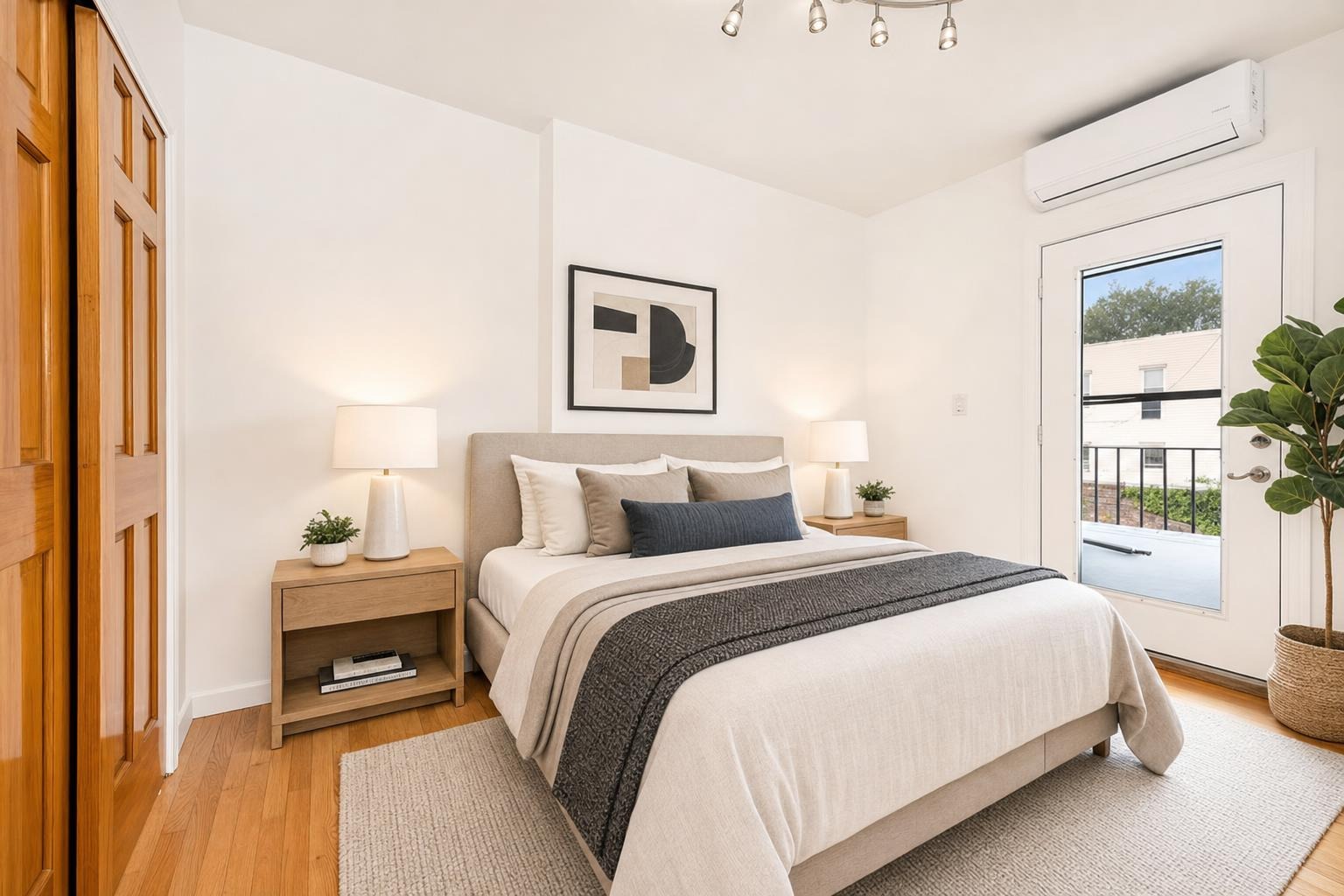
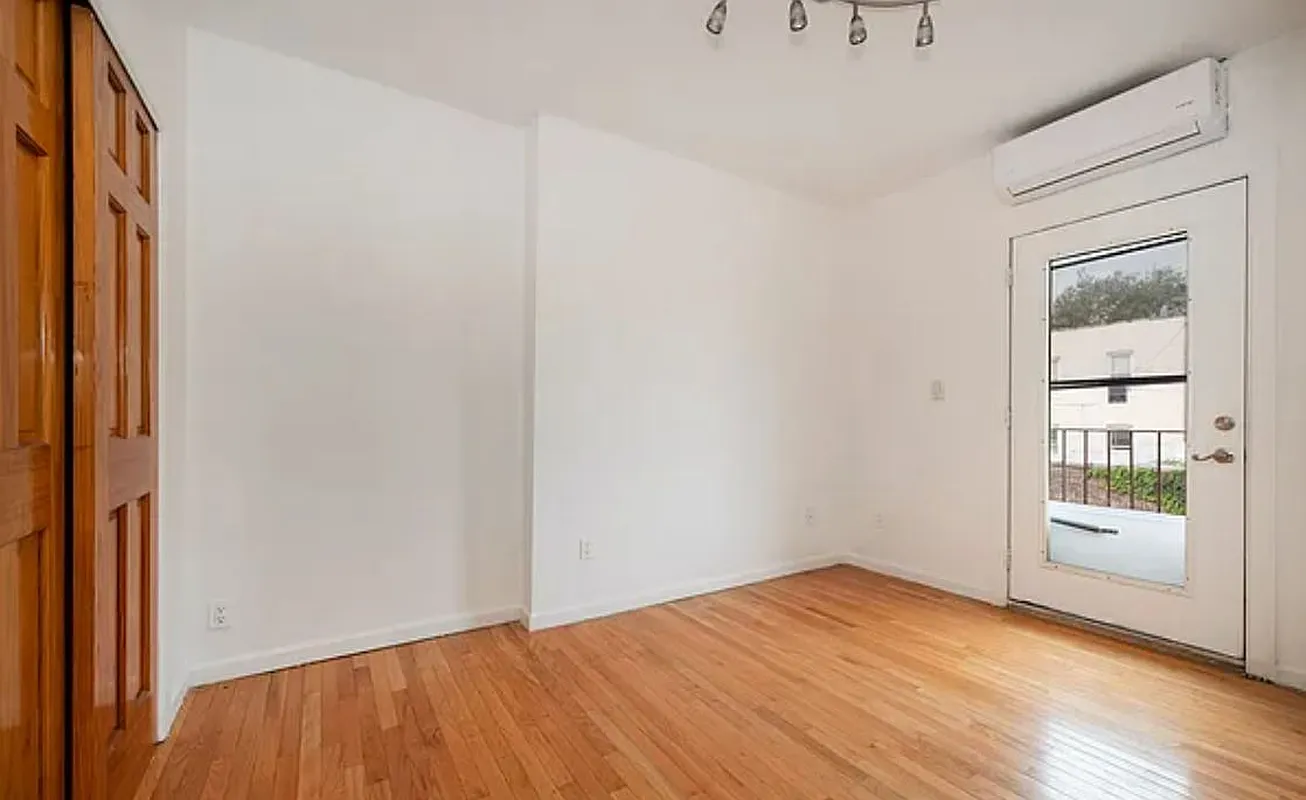 after · staged
before
after · staged
before
The short version
Aim for roughly 20 to 35 photos, scaled to the size of the home, and make sure every must-have room is in there. Too few sets off alarms about what is being hidden. Too many dilutes the strong ones and buries the photo that would have earned the showing.
It's the first question every seller and new agent asks, and the answer is simpler than the debates make it sound: most listings perform best with roughly 20 to 35 high-quality photos. Larger and luxury homes can justify more; a studio or one-bedroom does fine with fewer. But the number itself is a distant second to the thing that actually moves buyers — how good the photos are. A clean set of 22 strong images beats 50 dim, repetitive ones every time.
The right number for the size of the home
Use the home, not a fixed quota, to decide:
- Studio or 1-bed condo: 12–18 photos. There's only so much to show, and padding it out with five angles of the same wall reads as filler.
- Typical 3-bed single-family: 22–30 photos. Enough to cover every room plus the exterior and yard.
- Large or luxury home: 30–45+ photos. Buyers at this price expect a full walkthrough, including standout features and grounds.
A complete set answers buyer questions before the showing, but repetition makes the gallery harder to scan. Count only images that reveal a room, feature, condition, view, or spatial relationship. Then sequence the keepers using the listing-photo order checklist.
| Home | Photos | Why |
|---|---|---|
| Studio or 1-bed condo | 12–18 | There is only so much to show |
| Typical 3-bed single-family | 22–30 | Every room plus the exterior and yard |
| Large or luxury home | 30–45+ | Buyers at this price expect a full walkthrough |
The shots every listing must include
Whatever your total, these are non-negotiable. Each one answers a question a buyer will otherwise ask in their head:
- Front exterior — your cover photo. The single most important image; it decides whether anyone clicks at all.
- Living room. The first interior buyers expect, and the room they imagine living in.
- Kitchen. Often two angles — wide, then a detail of the counters or island.
- Every bedroom. Skipping one makes buyers assume it's tiny or problematic.
- Every bathroom. Even small ones; buyers want to count them and see condition.
- Dining area and the primary suite, including any ensuite or walk-in.
- Backyard and outdoor space — deck, patio, pool, or just the lot.
- Any standout feature — fireplace, view, finished basement, renovated mudroom.
- A floor plan if you have one. It's not a photo, but it dramatically increases inquiries.
What to leave out
More is not better past a point. These shots add count without adding interest, and they're the ones that make a set feel padded:
- Closets — unless it's a true walk-in worth showing off.
- The laundry room — unless it's a real selling point with new appliances.
- Repetitive angles of a room you've already covered well.
- Anything cluttered, dim, or unflattering. A bad photo doesn't just fail to help — it actively pulls the whole set down.
The rule of thumb: every photo should earn its place. If an image doesn't make the home more appealing or answer a buyer's question, cut it.
Why too few photos backfires
A listing with five or six photos sets off alarms. Buyers and agents read a thin set as what are they hiding? — a dated kitchen, a bedroom that's really an office, deferred maintenance. Even when nothing's wrong, the absence of a room creates doubt, and doubt costs you showings. A complete set signals confidence: this home has nothing to apologize for.
The cover photo carries outsized weight.
Buyers decide whether to click in roughly a second, almost entirely on the lead image. A weak cover shot caps how many people ever see photos two through thirty — so it's worth getting that one exactly right.
Why too many photos dilutes the strong ones
The opposite problem is real, too. When you bury your best three or four images among forty mediocre ones, attention spreads thin and the highlights stop landing. Buyers skim, glaze over, and move on before they reach the kitchen. A tight, edited set keeps every scroll meaningful and lets your standout rooms do their job.
Getting to a full, consistent set
The hard part is rarely the count — it's that a couple of rooms are dim, empty, or cluttered, and you don't want to publish them, so the set comes out short. That's exactly where staging and brightening the weaker rooms gets you to a complete, even gallery. Stylst stages and brightens one photo at a time in about 30 seconds for around a dollar, keeping the room's real layout — so a dark guest bedroom or an empty dining room becomes a photo you're glad to include instead of one you skip. It's on Google Play, pay-as-you-go.
Once you have a strong, complete set, sequence it well — see the Zillow order playbook — and shoot each room right to begin with using our room-photography guide. Selling it yourself? The FSBO photo playbook walks through the whole set start to finish.
The short answer
Aim for about 20 to 35 photos, scaled to the size of the home, and make sure every must-include room is there. Then stop. Quality, a strong cover shot, and a complete-but-edited set beat raw quantity. Check your MLS’s actual count and file limits in the MLS photo requirements guide, then stage a weak or empty room instead of omitting it.
Questions people actually ask
How many photos should a real estate listing have?
About 20 to 35 for a typical home, scaled up or down with size rather than fixed by quota. A small condo can be complete at 12 to 20. A large house needs more simply to cover the rooms. The count is a consequence of covering the property properly, not a target to hit.
What happens if a listing has too few photos?
Buyers assume something is wrong. A five-photo listing reads as a house with rooms worth hiding, and the missing bathroom becomes the most interesting thing about it. Absence is read as concealment, which is why the fix is usually to make the weak rooms photograph better rather than to leave them out.
Can a listing have too many photos?
Yes. Past a point, extra images dilute the strong ones and make a buyer work to find the rooms that matter. Six near-identical angles of the same living room does not show more house, it shows less editing judgement. Cut duplicates, cut close-ups of nothing, and keep the set tight.