Living Room Staging for Listing Photos
The room that sells the lifestyle. Arrange it so buyers see space, flow, and a place to gather.
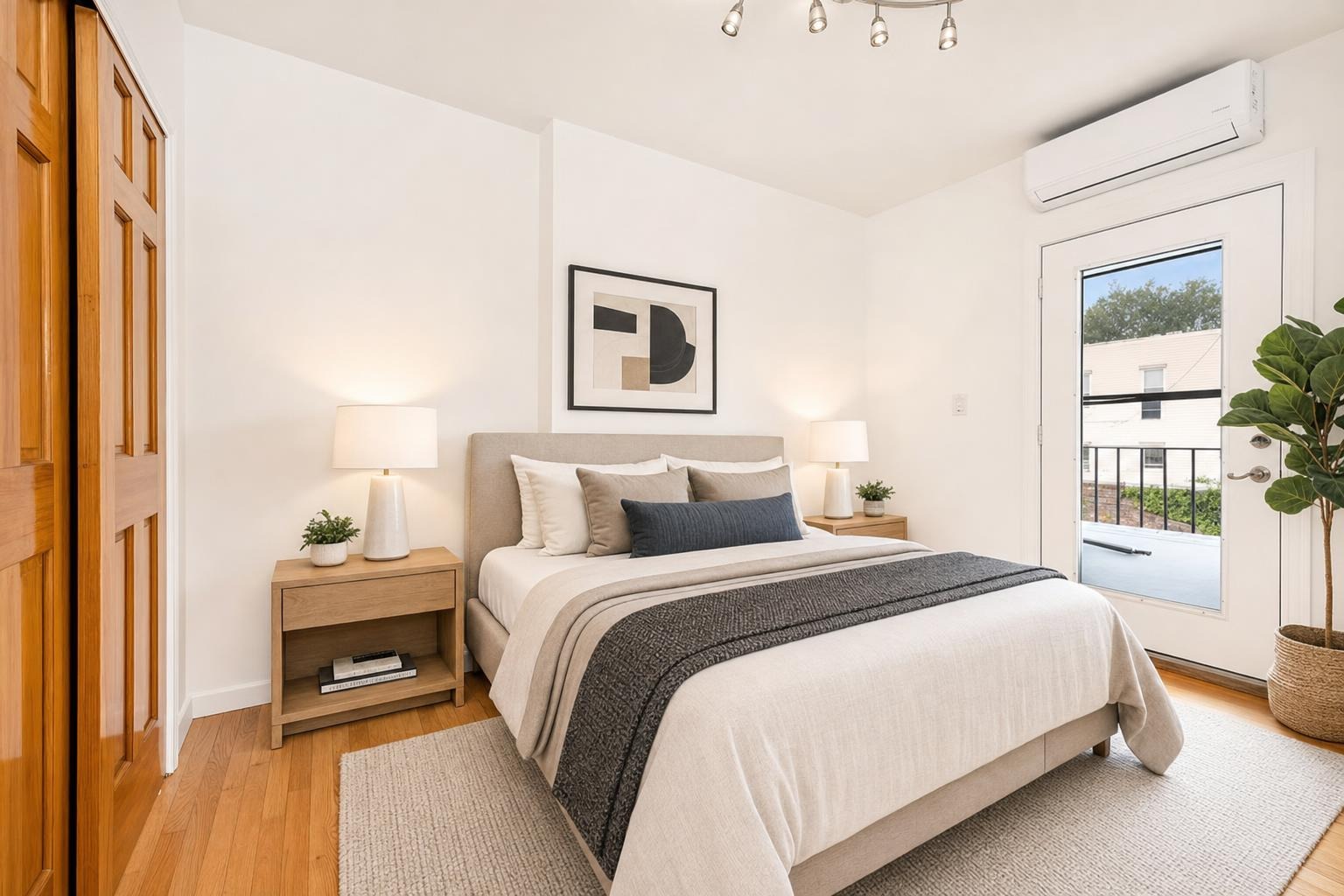
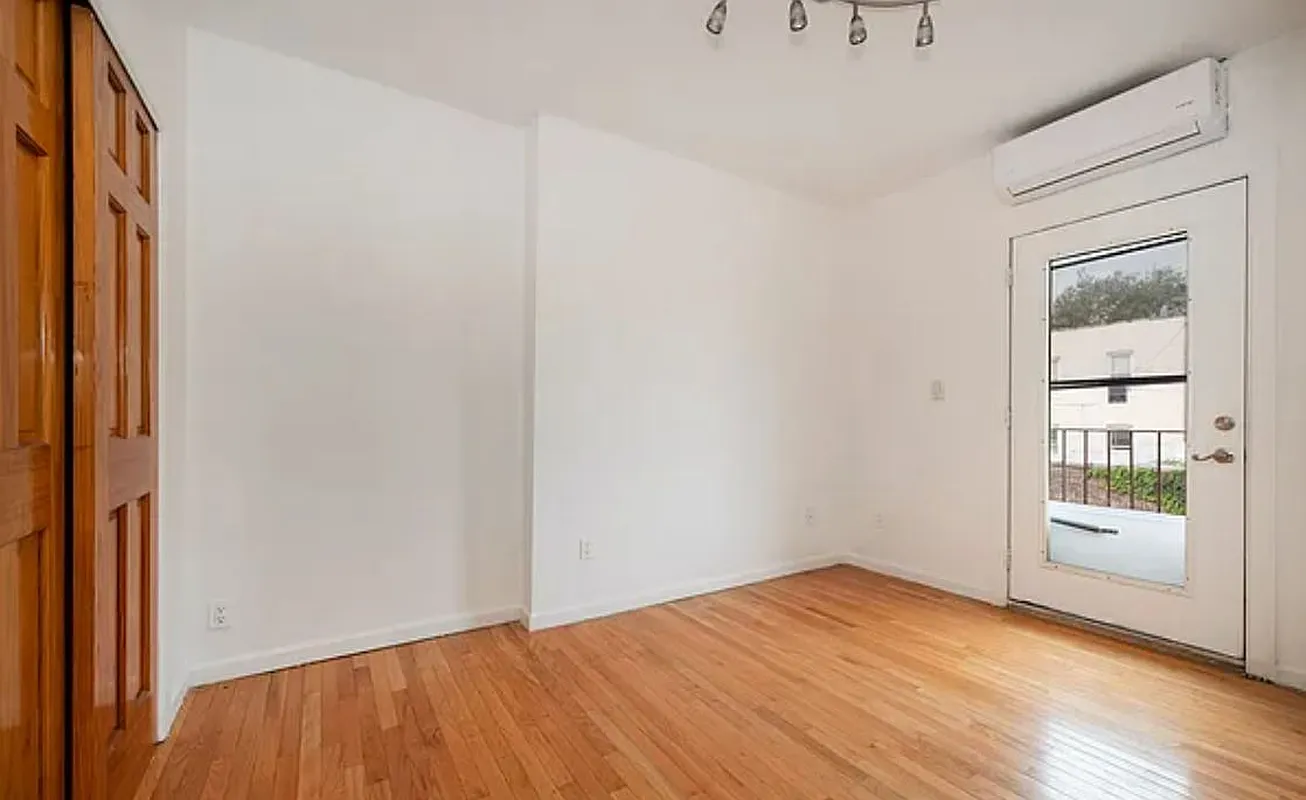 after · staged
before
after · staged
before
The short version
A living room photo works when it shows space and a reason to gather. Float the furniture off the walls instead of pushing it back, give the room one clear focal point, style with restraint, and shoot from a corner at chest height so you capture two walls and the depth.
The living room is the room that sells the lifestyle. It's usually the largest gathering space in the home and often one of the first interior shots a buyer sees, so it carries a lot of weight. A well-staged living room communicates two things at a glance: there's room to live here, and this is a place people would actually want to gather. Here's how to arrange and shoot one so it reads open, warm, and move-in ready.
Float the furniture off the walls
The instinct in a real home is to push every piece of furniture against the walls to maximize floor space. For a listing photo, that backfires — it makes the room read like a waiting area and actually emphasizes empty middle space. Instead, pull the seating in toward each other:
- Create a conversation area. A sofa and a couple of chairs angled toward a coffee table read as a place to gather, not a hallway.
- Anchor it with a rug. A rug that sits under the front legs of the seating defines the zone and makes the arrangement feel deliberate.
- Leave clear walking paths. Buyers should be able to "walk" the room with their eyes. Don't block the natural route through the space.
Give the room one clear focal point
Every living room has a natural focal point — a fireplace, a big window, or the TV wall. Arrange the seating to face it and let it anchor the photo. Don't fight it with competing centers of attention. If the fireplace is the focal point, style the mantel simply (one piece of art or a mirror, a couple of small objects) and point the sofa toward it. A room with a clear focal point feels designed; a room with three is chaos.
Style with restraint
Accessories make a living room feel finished, but more is not better in a photo. Aim for a few intentional touches:
- Throw pillows and one blanket in neutral or muted tones to add warmth without clutter.
- A coffee table moment — a stack of books, a small tray, maybe a low plant. Not a crowded surface.
- One or two pieces of greenery. A single plant brings a room to life; a jungle distracts.
- Art at eye level. One well-placed piece over the sofa beats a scattered gallery of family photos.
Matching the styling to your buyer helps — our guide to interior design styles for listing photos covers picking a look that fits the home and the market.
Show the room, not your stuff.
A buyer should walk away picturing their life in the space, which is impossible if the room is full of your family photos, hobbies, and collections. Neutral, lightly styled rooms sell because they're easy to project onto.
Light it up before you shoot
Living rooms usually have the best natural light in the house — use it. Open every curtain and blind, turn on the lamps and overheads for warmth, and shoot when the light is good. A bright living room photographs larger and more welcoming. Time it right with our best time of day to shoot guide.
Frame it for space and flow
Shoot the living room from a corner at about chest height to capture two walls and the depth of the room. Keep your verticals straight, include a window for light and a sense of openness, and try to show how the room connects to the rest of the home — a glimpse into the kitchen or dining area communicates flow, which buyers love. For the full technique, see how to photograph a room.
Staging an empty living room
An empty living room is genuinely hard for buyers to read — they can't tell if their sectional fits or where the TV would go, and a bare room photographs cold and echoey. Virtual staging solves it by placing a believable seating arrangement, rug, and styling into the real room, so the photo shows the space working. The same approach for a whole vacant home is in staging an empty house for photos.
Where Stylst lands
Stylst stages a living room photo in about 30 seconds for around a dollar — adding a tasteful seating arrangement and styling while keeping your real windows, fireplace, and proportions. It's pay-as-you-go, no subscription required, and on Google Play. Snap the room and get a staged photo back — and disclose the staging on the listing.
The bottom line
A living room photo works when it shows space and a reason to gather. Float the furniture into a conversation area, point it at one clear focal point, style with restraint, light it bright, and shoot from a corner for depth. Done well — in person or virtually — the living room becomes the shot that makes a buyer think, "I could live here."
Questions people actually ask
Should living room furniture be against the walls for photos?
No, and this is the most common staging mistake in a real home. Pushing everything to the walls feels like it maximises floor space but photographs as a room with a hole in the middle. Floating the seating inward creates a conversation area and, counterintuitively, makes the room look larger and more intentional.
What should the focal point of a living room photo be?
Whatever the room already has: a fireplace, a large window, or the wall the television sits on. Pick one and arrange the seating to acknowledge it. A living room with no focal point reads as furniture placed at random, and a room with three competing ones reads as cluttered.
How do I photograph an empty living room?
Shoot it from a corner at chest height with every light on, and get the verticals straight, then stage it. An empty living room is genuinely hard for buyers to read, because they cannot tell whether a sectional fits or where a television would go, and a bare room photographs cold and echoey.