Rolling Out Virtual Staging Across a Brokerage or Team
One agent staging photos is a habit. A whole office doing it the same way is a listing standard.

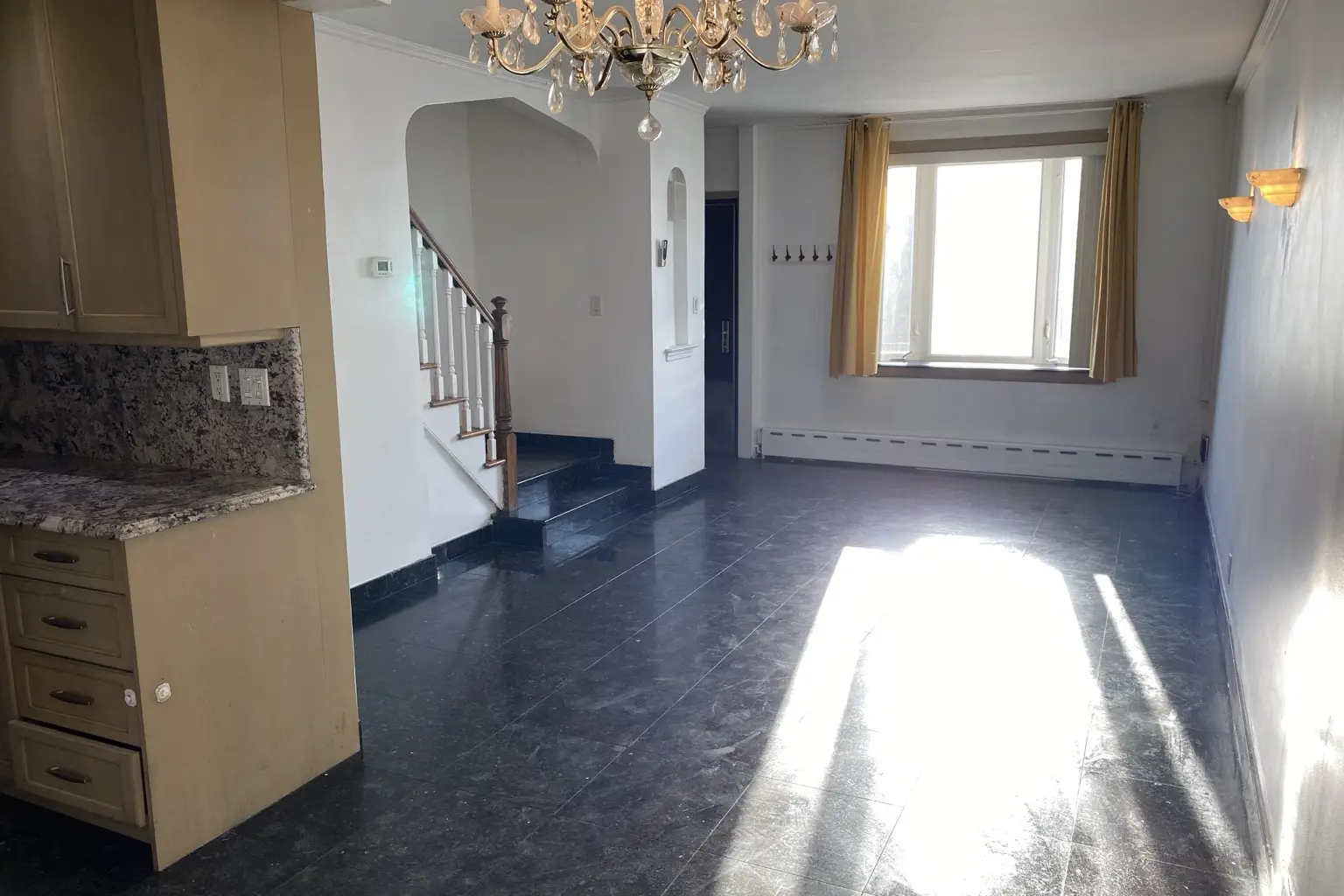 after · staged
before
after · staged
before
The short version
One agent staging photos well is a personal habit. A whole office doing it the same way is a listing standard buyers can recognise. Pick a house style, make disclosure a written policy rather than each agent's judgement call, and train it as a five-minute routine anyone can run.
Virtual staging for real estate agents covers how one agent builds staging into their own listing routine. Rolling it out across a whole brokerage or team is a different problem — it's less about one person's workflow and more about making sure every listing, from every agent, meets the same bar.
Why standardize at all
Buyers browsing a brokerage's listings notice when quality is inconsistent — one agent's listings are staged and sharp, another's are dim and cluttered. That inconsistency undercuts the brand the brokerage is trying to build, especially for an office competing on marketing quality as a recruiting pitch to new agents.
Pick a house style
Choosing one or two default staging styles for every listing — rather than leaving it to each agent's individual taste — makes photos feel recognizably like "this brokerage's listings" the way a consistent sign rider or yard sign does. Interior design styles for listing photos covers the style vocabulary to choose from.
Make disclosure a policy, not a judgment call
Leaving MLS disclosure to each agent's discretion is a compliance risk at scale — one agent forgetting to label a staged photo is a mistake; a brokerage-wide habit of skipping it is a liability. Set the disclosure standard from is virtual staging legal? as office policy, with a standard remarks line every listing uses.
Budget it per listing, not as a shared retainer.
A pay-as-you-go tool scales naturally across 20 or 200 agents without a fixed monthly commitment or a shared studio account someone has to manage. Each listing's staging cost rides with that listing, the same way photography and sign costs already do.
Train it as a five-minute habit
The workflow needs to be simple enough that any agent — or their transaction coordinator or assistant — can run it without a design background: snap the room, pick the house style, done. AI virtual staging: how it works is a good one to point new agents to during onboarding so they understand what the tool is actually doing.
Cost across the whole office
At a few dollars a photo, staging every vacant or under-furnished listing across dozens of agents still costs less than a single traditional staging job for one listing. Virtual staging cost lays out the math a managing broker can bring to a budget conversation.
A recruiting angle, too
Offering staging as an included tool — not something an agent has to pay for or figure out themselves — is a small but real perk in a recruiting conversation with agents comparing brokerages on what support they actually get.
Where Stylst lands
No subscription, no seat licenses to manage — agents pay per photo as listings come in, and the brokerage can set a house style once and point every agent to it. Stage a photo to see the baseline your office would be standardizing on.
The bottom line
One agent staging photos well is a personal habit. A brokerage where every listing meets the same bar is a standard — and it's cheap enough to set as one. Pick a house style, make disclosure a policy instead of a preference, and let every agent's listings look like they came from the same professional office.
Questions people actually ask
Why should a brokerage standardise virtual staging?
Because buyers browsing a brokerage's listings notice inconsistency. When one agent's listings are staged and sharp and another's are dim and cluttered, the brand is the weaker of the two. A shared house style makes the listings recognisable as yours in the way a consistent sign or template does.
How should a brokerage handle disclosure policy?
As a written policy, not a per-agent judgement call. One agent forgetting to label a staged photo is a mistake. An office-wide habit of skipping it is a liability, and at scale it will eventually be a complaint. Make the label a required step in the listing checklist.
What does staging cost across a whole office?
At a few dollars a photo, staging every vacant or under-furnished listing across dozens of agents still costs less than one traditional staging job on a single listing. That is what makes it viable as an included tool rather than something each agent has to justify individually.