Virtual Staging for Real Estate Agents: A Repeatable Workflow
Stage every listing the same way, in minutes, for a few dollars. Build it into your listing routine.
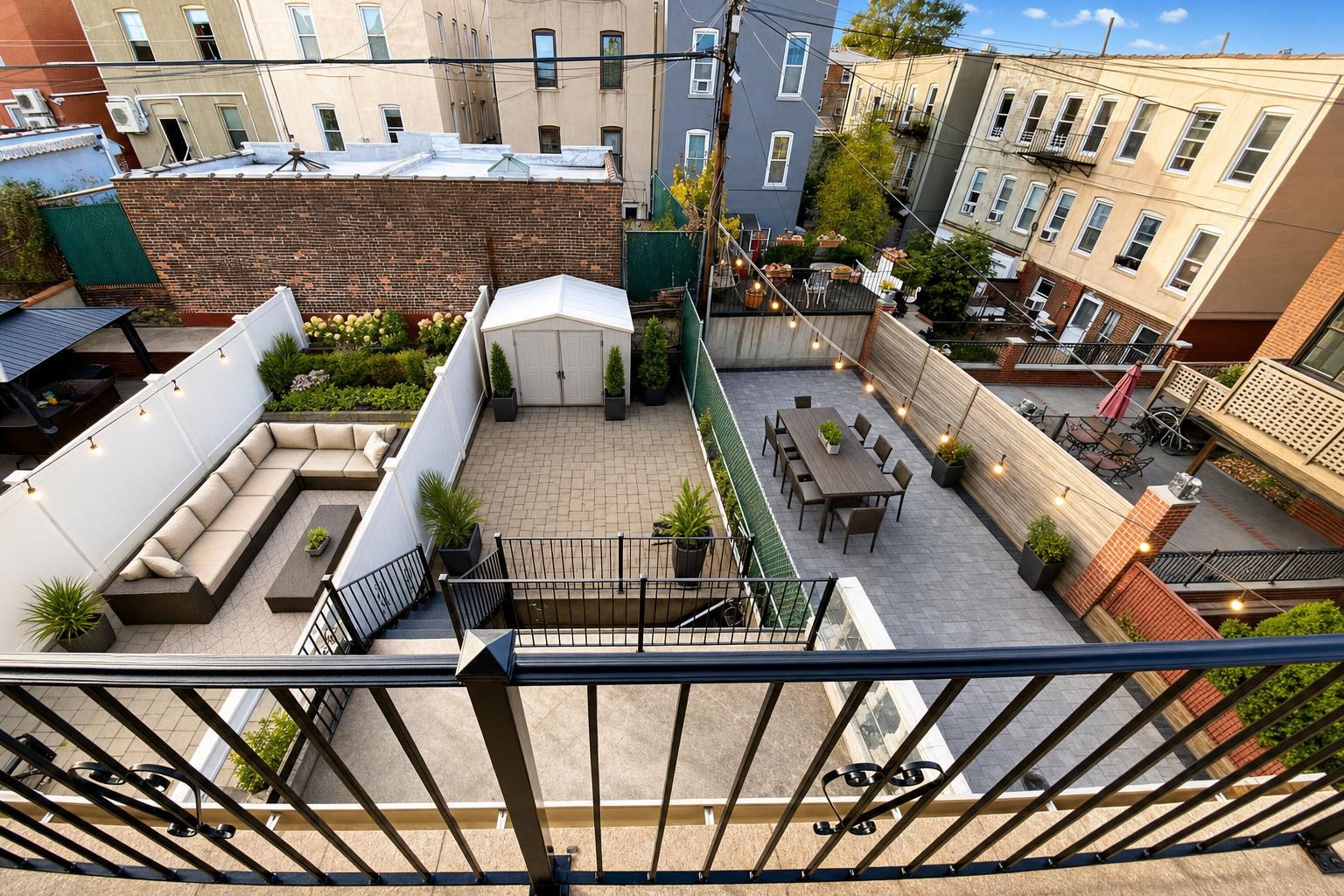
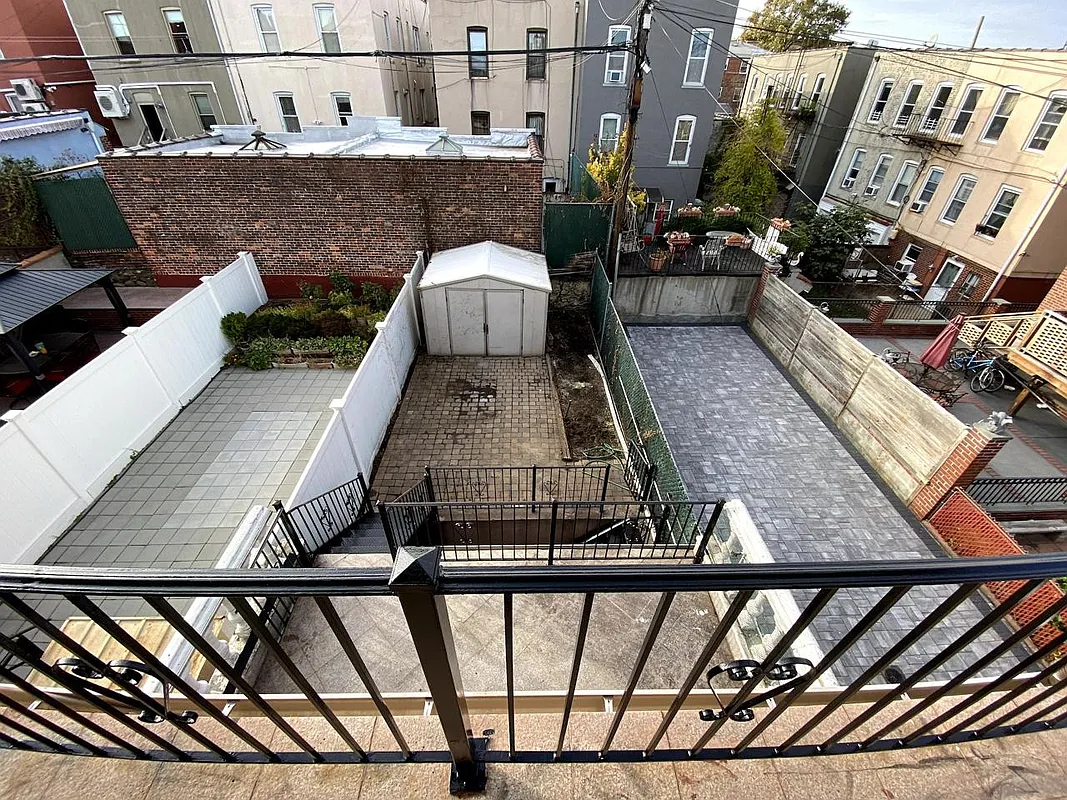 after · staged
before
after · staged
before
The short version
Virtual staging stopped being a luxury-listing tool the moment it dropped to about a dollar a photo. Make it a repeatable step: shoot once and shoot clean, stage only the rooms that sell, disclose every time, and accept that staging four or five hero rooms costs less than lunch.
For a listing agent, staging used to be a cost-benefit headache: physical staging runs thousands of dollars and takes days to schedule, so it only made sense on higher-priced listings. Virtual staging flips that math. At a few dollars a photo and a minute of turnaround, you can stage every vacant listing you take — but only if you build it into a repeatable routine instead of reinventing it each time. Here's a workflow you can run on every listing.
When to stage (and when not to)
Virtual staging earns its keep in specific situations. Reach for it when:
- The home is vacant. Empty rooms photograph cold and make buyers struggle to judge scale — the textbook case for staging.
- The furniture is dated or sparse. A few worn pieces can hurt more than an empty room.
- A room's purpose is unclear. Show that bonus room as an office, the formal dining as a flex space.
Skip it when the home is already well-furnished and shows beautifully — in that case, good photography and editing are enough. And never use it to hide a problem; staging sells the potential of a space, not a cover-up.
Shoot once, shoot clean
Staging quality depends on input quality. Whoever shoots the home — you, the seller, or a photographer — should capture each room bright, level, and from a corner, the same way every time. A clean, well-exposed empty room is the ideal canvas. The fundamentals are in how to photograph a room, and the quick edits that prep a shot for staging are in photo editing basics.
Stage the rooms that sell
You don't need to stage all twenty photos. Buyers make their decision on a handful of hero rooms, so spend your dollars there:
- Living room — the lifestyle shot, almost always worth staging.
- Primary bedroom — the retreat buyers project onto.
- Kitchen and dining — if sparse, light staging warms them up.
- The ambiguous room — stage it as the office or flex space buyers want.
Keep the style consistent across the set so the listing reads cohesive. Our interior design styles guide helps you pick one look and stick to it.
Consistency is the whole game.
The agents who win with virtual staging treat it like a checklist item, not a one-off. Same shooting setup, same hero rooms, same style, same disclosure language — every listing. Repeatable beats fancy.
Disclose it, every time
This is non-negotiable. Most MLSs require you to disclose that a photo is virtually staged, and it protects you from a misled-buyer complaint. Build a standard label into your process — "Virtually staged" in the caption or a note in the remarks — and apply it without thinking. The full rules are in is virtual staging legal?, and you'll want to keep your photo sizes within MLS photo requirements too.
The economics for an agent
At roughly a dollar a photo, staging four or five hero rooms costs less than a sandwich and takes minutes. Against physical staging at $2,000–$5,000 or more, the savings are obvious — but the real win is being able to stage every vacant listing, not just the luxury ones. Since staged listings tend to sell faster, that's a tiny per-listing cost against a faster close and a happier seller. The full cost breakdown is in virtual staging cost.
Where Stylst lands
Stylst is built for exactly this kind of repeatable, account-free workflow: upload a room, pick a style, get a staged photo back in about 30 seconds for around a dollar. It's pay-as-you-go with credit packs (no subscription to manage between listings), it stages multiple photos in a batch, and it's on Google Play. Run your next vacant listing through it — stage a photo to see the output.
The bottom line
Virtual staging stopped being a luxury-listing tool the moment it dropped to a dollar a photo. The agents getting the most out of it aren't doing anything fancy — they shoot clean, stage the same hero rooms in a consistent style, disclose it every time, and move on. Make it a checklist item, and every vacant listing you take shows better for the price of a coffee.
Questions people actually ask
When should an agent virtually stage a listing?
When a room is vacant, or so sparsely furnished that scale is unreadable — staging keeps the furniture that is really there and fills the empty space around it. When a home is already well furnished and photographs well, staging adds cost and a disclosure obligation for very little gain.
How many rooms should I stage on a listing?
Four or five, not twenty. Concentrate on the rooms that drive the decision: the main living space, the kitchen, the primary bedroom, and whichever room is hardest to read empty. Staging every photo costs more, takes longer, and does not move the decision further than the hero rooms already did.
Does virtual staging make financial sense for a normal listing?
At roughly a dollar a photo, staging the hero rooms costs less than a sandwich against a commission measured in thousands. The economics stopped being the interesting question some time ago. What is left is whether the photo is good enough to be worth staging, and whether you disclosed it.
Sources
- NAR Code of Ethics, Article 12 — REALTORS shall be honest and truthful in their real estate communications and present a true picture in their advertising and marketing.