AI Virtual Staging Disclosure Rules in 2026
Virtual staging is legal and mainstream — but 2026 raised the bar on how you disclose it. Here's what changed and how to stay clean.
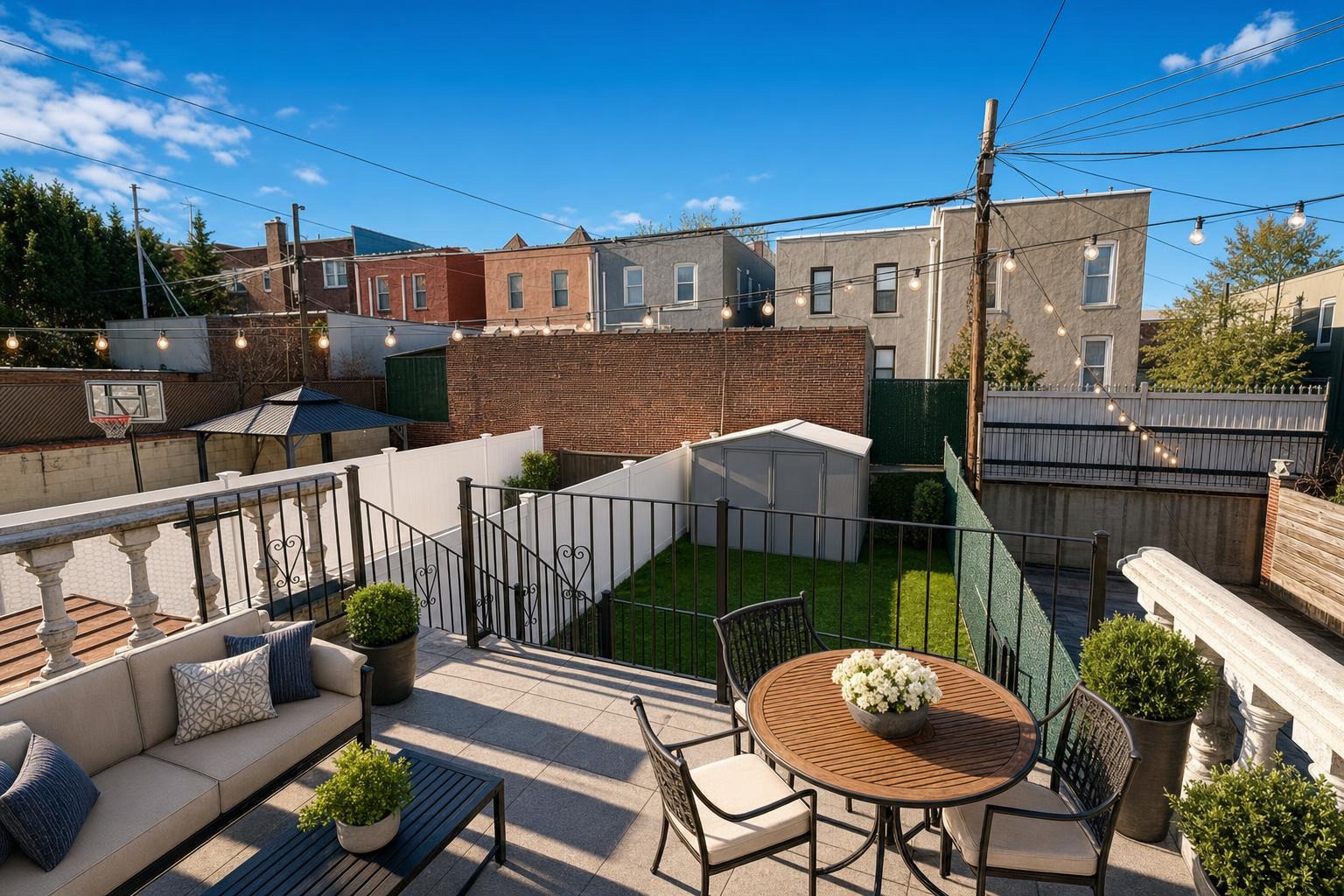
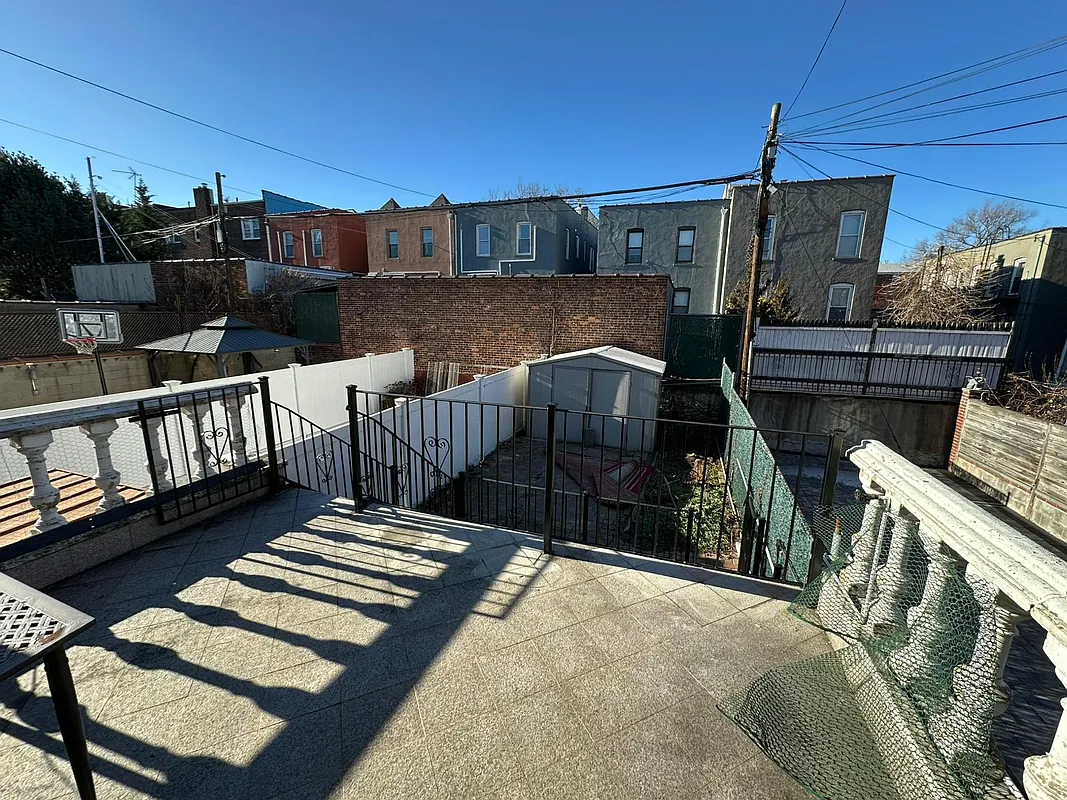 after · staged
before
after · staged
before
Virtual staging isn't a legal gray area anymore — it's a normal, accepted part of marketing a listing. What changed in 2026 is the disclosure standard around it. More states passed rules, more MLSs put teeth behind them, and the era of quietly dropping a sofa into an empty room and saying nothing is over. The good news: complying is genuinely easy, and it costs you nothing but a caption and a label. This is the plain-English version of what to do.
This is a practical guide, not legal advice. Rules vary by state and by MLS — confirm your local board's exact policy before you publish.
The one rule under all the rules
Every disclosure law and MLS policy is built on a single idea: a buyer should never be misled about what's real in the home and what was added digitally. Staged furniture, added greenery, a virtually renovated kitchen, a day turned to dusk — anything that changes what the buyer would see in person needs to be identified as digitally altered. If you keep that principle in mind, the specific rules are just details.
What actually changed for 2026
- More states now require it. As of 2026, roughly 38 states have adopted some form of explicit virtual-staging disclosure requirement — up from about 22 in 2023. Disclosure is now the default expectation nationwide, not a coastal quirk.
- California's AB 723 took effect January 1, 2026. In California, licensees must disclose digitally altered listing photos and make the original, unaltered image available alongside them. "Show the before" is now the law there, not just good manners.
- Strict states want the label AND the description. California, New York, and Texas (among others) expect a visible label on the image itself (a watermark or caption) and a note in the listing description stating which photos were digitally altered. One or the other isn't enough in these markets.
- MLS fines are real. Failure to disclose can trigger MLS fines commonly ranging from $500 to $5,000, listing removal, complaints from buyers' agents, and — in the worst case — a misrepresentation claim. This is cheap to avoid and expensive to ignore.
How to disclose correctly (the checklist)
- Label the image. Put a visible mark on any digitally staged photo — something like "Virtually Staged." A watermark baked into the image travels with the photo everywhere it gets syndicated, which is exactly the point.
- Note it in the description. Add a line to the listing remarks: "Photos of [room] are virtually staged." Name the rooms if only some are altered.
- Keep the original available. Especially in AB 723 states, have the unedited "before" ready to show. Many agents post the real empty room right after the staged one in the photo order so buyers can compare — which also builds trust.
- Don't stage away real problems. Virtual staging is for adding furniture and warmth, not for hiding water stains, cracks, or a missing appliance. Editing out a genuine defect is the misrepresentation the rules exist to stop.
A watermark is the easiest way to never fail this.
A visible "Virtually Staged" mark on the image satisfies the label half of every disclosure rule automatically, and it survives every time the photo gets re-shared or scraped onto another portal. Stylst can stamp that disclosure badge onto the output for you, so the labeling isn't something you have to remember to do by hand. Pair it with a one-line note in the description and you're covered in nearly every market.
Staging vs. enhancing vs. renovating — they're not all the same
Disclosure expectations scale with how much you changed the photo. Brightening, straightening, and color-correcting a real room (a normal photo edit) generally doesn't require a staging disclosure — you're presenting the actual space accurately. Adding furniture that isn't there, or previewing a renovation that hasn't happened, clearly does. The line is whether you've changed what physically exists. See real estate photo editing basics for where normal editing ends, and how AI virtual staging works for what the model actually adds to a photo.
Why disclosure helps you sell, not just cover you
Agents sometimes worry that a "Virtually Staged" label undercuts the photo. It doesn't. Buyers already assume most beautiful listing photos have been worked on — an honest label reads as confidence, not apology. And a labeled staged shot next to the real empty room tells a useful story: the space can look like this. That's persuasion, not deception. It's the same reason staged listings still sell faster even when everyone knows the furniture isn't included — see do staged listings sell faster.
Quick state-by-state reality check
You don't need to memorize 50 statutes. Do this instead: (1) assume disclosure is required — it is in most states now; (2) look up your MLS's specific policy, because the MLS is who fines you and their rule is often stricter than the state's; (3) if you're in California, New York, or Texas, treat "label + description + original available" as the standard. When in doubt, over-disclose. There's no penalty for being too clear. The broader legal background is in is virtual staging legal? and the format rules are in MLS photo requirements.
Where Stylst lands
Stylst stages a phone photo into an MLS-ready shot for about a dollar, and can stamp a "Virtually Staged" disclosure badge right onto the output — so the label half of compliance happens automatically. Add one line to your listing remarks, keep the original photo handy, and you've met the 2026 standard. Stage a photo and turn the watermark on in the review step.
The bottom line
The 2026 rules didn't make virtual staging harder — they made honesty non-optional. Label the image, note it in the description, keep the original, and never stage away a real defect. Do those four things and you get every benefit of staging with none of the disclosure risk.