Off-Season Bookings: Fixing Your Short-Term Rental Photos for the Slow Months
A summer listing does not sell a winter stay. What to re-shoot, what to re-frame, and why the quiet months are the right time to do it.
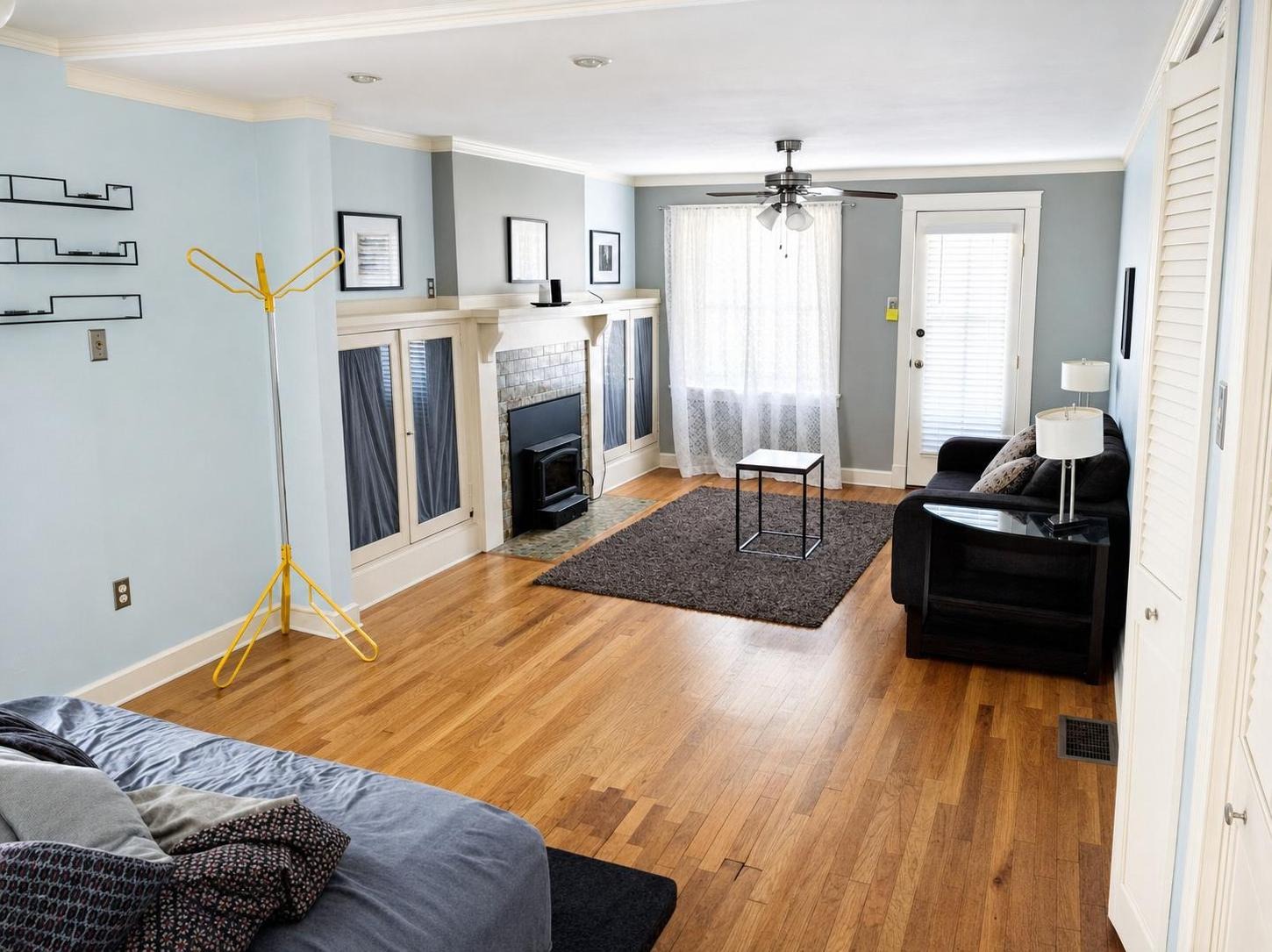
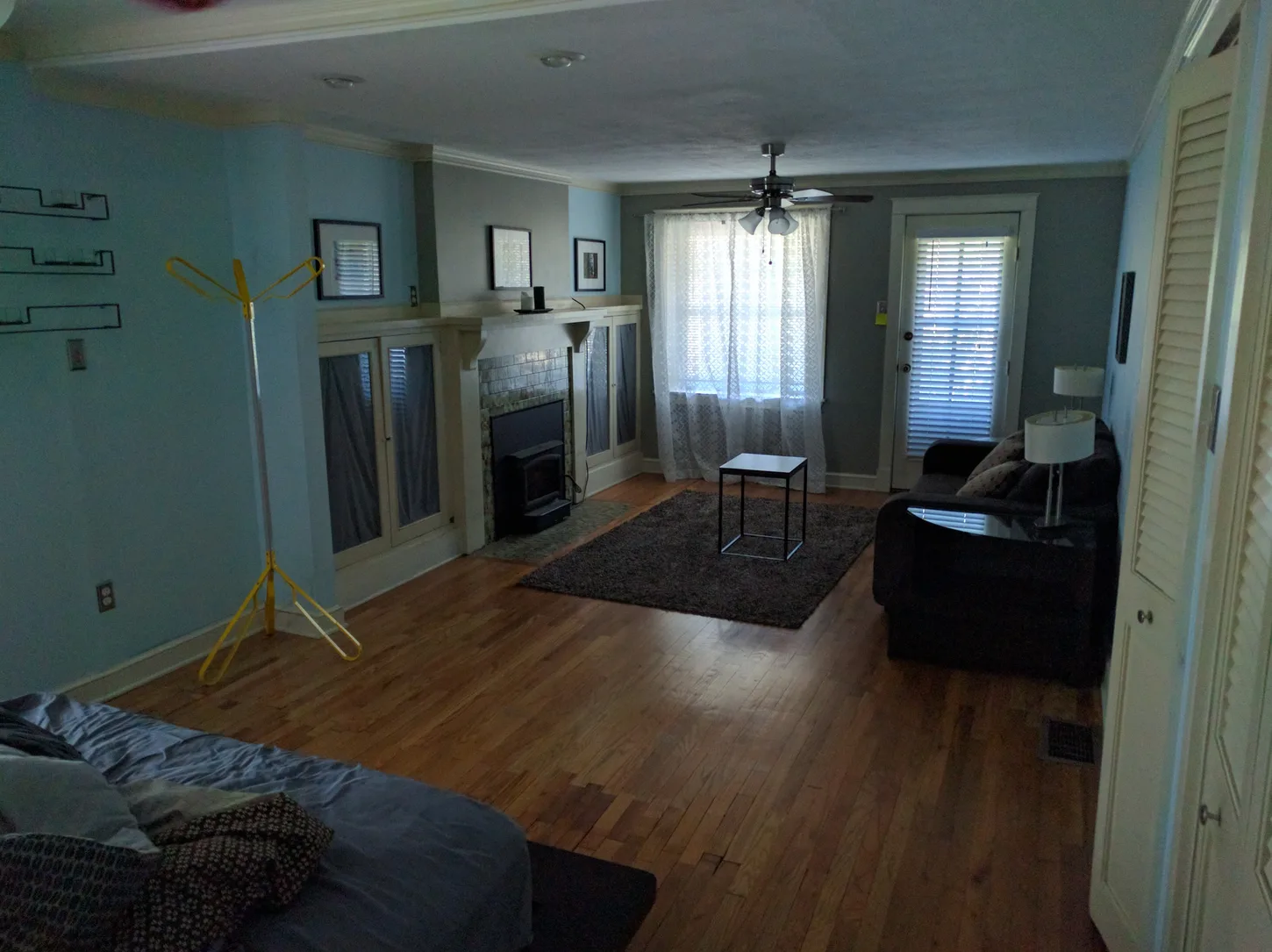 after · enhanced
before
after · enhanced
before
The short version
A summer listing does not sell a winter stay, because an off-season guest wants a different thing: warmth, indoor comfort, a reason to be there when the weather is bad. Most listings are photographed once on day one and never touched, and the slow months are exactly when that costs you.
Every short-term rental has a season it was photographed for. Usually it's the one where the host was excited, the light was good, and the place had just been cleaned — for most listings, that's high summer. Then October arrives, demand thins out, and the listing is still selling a July stay to someone booking a November weekend.
Off-season demand is genuinely lower. You can't photo your way out of a dead market. But in the slow months the pool of guests is smaller and pickier, which means the gap between the best-looking listing and the third-best-looking listing gets wider, not narrower. That's the whole opportunity.
Off-season guests want a different thing
A summer guest is booking a base camp. They're outside all day; the apartment just has to be clean and near the thing they came for. A winter or shoulder-season guest is booking a place to be. They're going to spend real hours inside it. What they're scanning for is completely different:
- Warmth. Lamps, textiles, a fireplace, a rug, a made bed with layers on it.
- Comfort. A sofa you'd actually sit on for an evening. A kitchen you'd cook a real dinner in.
- Indoor amenity. Fast wifi and a desk for the remote worker. A tub. A TV that isn't an afterthought. See photographing a workspace — the "I can work from here" shot books shoulder-season weeks.
- Weather-proof. Covered parking, heating, a place to dry boots. Unglamorous, and it closes bookings.
If your gallery is nine photos of a bright empty patio and a pool with the cover off, none of that is being answered.
The four fixes that actually move the slow season
1. Dusk your exterior. This is the single highest-return off-season change. A lit house in the blue hour reads as warm, safe, and inviting in a way no daytime shot ever will — and it's honestly what your property looks like at 6pm in November. It's also the shot that survives being shrunk to a thumbnail. Day-to-dusk conversion covers the how; shooting twilight yourself covers the version with a tripod.
2. Re-shoot the living room with the lights on. Not the overheads — the lamps. Take the photo in the late afternoon so there's still some daylight in the windows, turn every warm light source on, and let the room look like an evening rather than an inspection. Then correct the exposure so it's bright and warm instead of dim and orange.
3. Reframe the cozy details. A wide shot of a room tells a guest how big it is. A tighter frame — the reading chair by the window, the stack of firewood, a mug on the arm of the sofa — tells them what a Sunday there feels like. Off-season galleries need two or three of those. They're the photos that convert a browser who's already sold on the size.
4. Fix whatever the season took away. A bare deck in a January photo is a liability where a July photo of the same deck was an asset. Either photograph it honestly at its off-season best, or lead with an indoor shot instead and keep the deck deeper in the gallery. Don't run a summer photo of the yard as your cover in December — it sets an expectation the weather won't honor.
Re-shooting seasonally is not the same as faking a season.
Show your place in every season you rent it, and let the guest see which is which. What you don't do is run a lush-green-lawn hero shot on a January booking, or edit snow off a driveway that has snow on it. Honest edits — brighter, cleaner, golden-hour — travel across seasons fine. Inventing a season doesn't, and a guest who arrives to a very different-looking property will say so in writing. The line is spelled out in Airbnb photo tips that don't break the accuracy policy.
The refresh nobody does, and everybody should
Most listings are photographed once — on day one — and then never touched again. Two years later the sofa has been replaced, the walls are a different color, and the cover photo is still the phone shot the host took before the first guest ever arrived. That listing is quietly losing to hosts who refreshed, and the host has no idea because there's no notification for "your photos are old now."
Use the quiet weeks. An empty calendar is the only time you can walk the whole property, shoot every room properly, and swap the gallery without working around a turnover. The playbook is the same one sellers use before relisting a house that sat: refresh stale listing photos before relisting.
- Re-shoot every room that has changed — new furniture, new paint, new anything.
- Replace the cover photo if it's more than a couple of years old. (Cover photo guide.)
- Re-order the gallery for the season: living space, bedrooms, kitchen, then the outdoor stuff that's dormant.
- Rewrite the captions to match what's actually there right now.
- Run the whole set through the same brightening pass so the gallery looks like one property instead of five different shoots.
Then use the photos off-platform
Off-season is also when direct bookings matter most, because the platforms are sending you less traffic. The refreshed set is the raw material: a before/after or a short walkthrough clip does more for an Instagram audience than a static photo ever will, and it costs nothing to make from the photos you just took. See turning your listing photos into a reel.
Where Stylst lands
Stylst is a phone-photo fix for exactly this window: Enhance brightens and warms a dim interior, Declutter clears the off-season clutter that accumulates in an unbooked unit, and Day-to-dusk turns your flat exterior into the lit, golden-hour hero shot. About a dollar a photo, no subscription, back in about 30 seconds — a whole listing refreshed for less than one night's cleaning fee. Reels and captions are free with any photo. Hosts start at stylst.app/airbnb.
The bottom line
The slow season punishes listings that were photographed for the busy one. Warm the interiors, light the exterior, add the cozy detail shots, and refresh anything that's two summers old — honestly, in the season you're actually renting. The demand is thinner in the off-months, which is exactly why the listing that looks the most inviting takes a disproportionate share of it. Fix a photo while the calendar is quiet.
Questions people actually ask
Should I change my Airbnb photos for the off-season?
Yes, because the guest changes. A summer guest is booking a base camp for being outside. An off-season guest is booking the inside, so the photos that sell are the warm lit living room, the fireplace, the kitchen and the cosy corners rather than the deck and the pool.
What should off-season rental photos emphasise?
Warmth and indoor comfort. Lamps on, throws and texture visible, the fireplace lit if there is one, and the kind of light that reads as evening rather than midday. Also anything that answers what a guest does here when it rains, since that is the question the booking actually turns on.
When is the best time to refresh rental photos?
During the quiet months, which is the opposite of what most hosts do. The unit is empty, you have time, and the refreshed listing is ready before the next season's booking window opens. A listing photographed once on day one and never revisited is the norm, which is why refreshing is such an easy edge.