Airbnb Cover Photo Best Practices: What Earns the Tap
One image, one second, twelve competitors on the same screen. Everything that matters about the photo guests actually decide on.
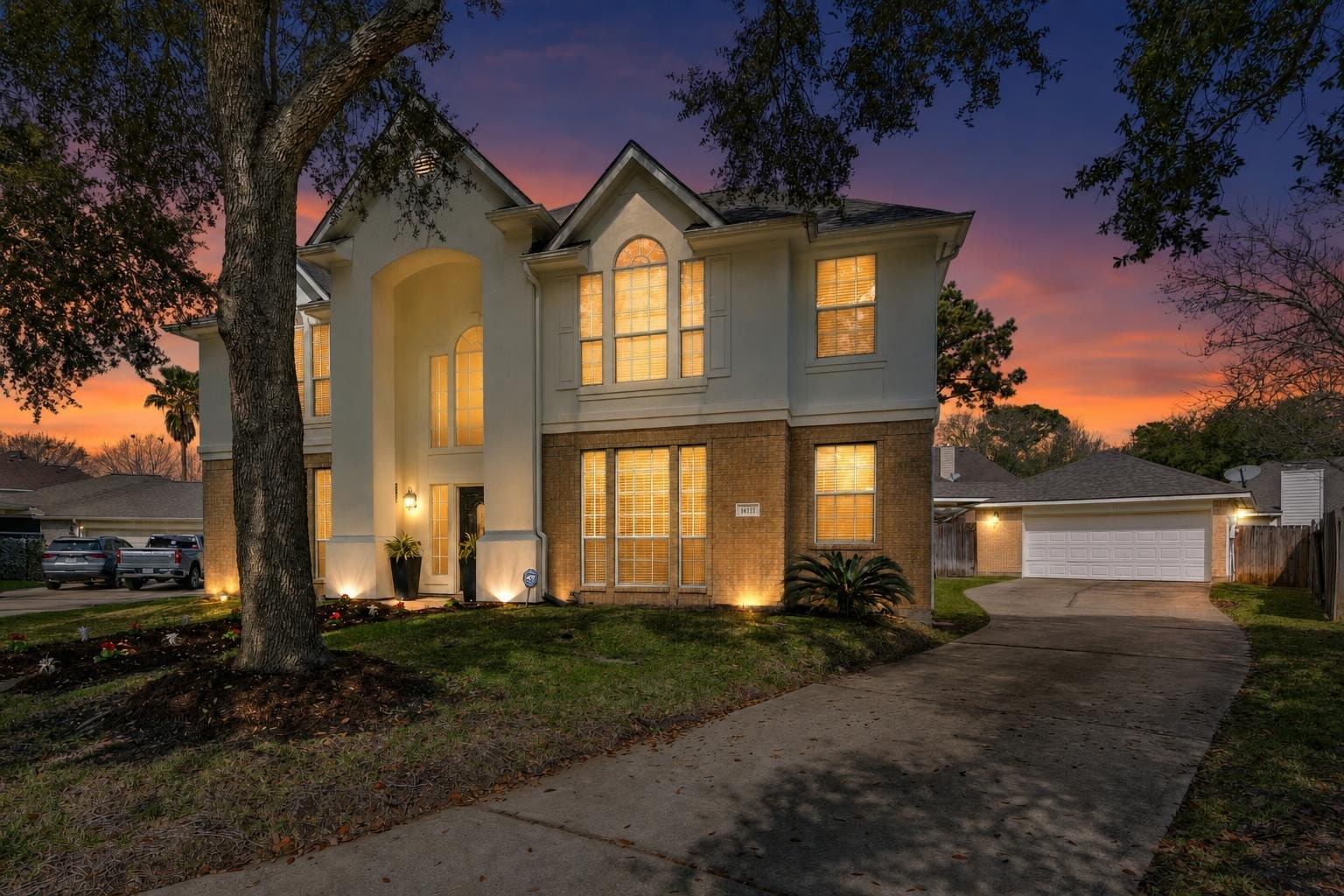
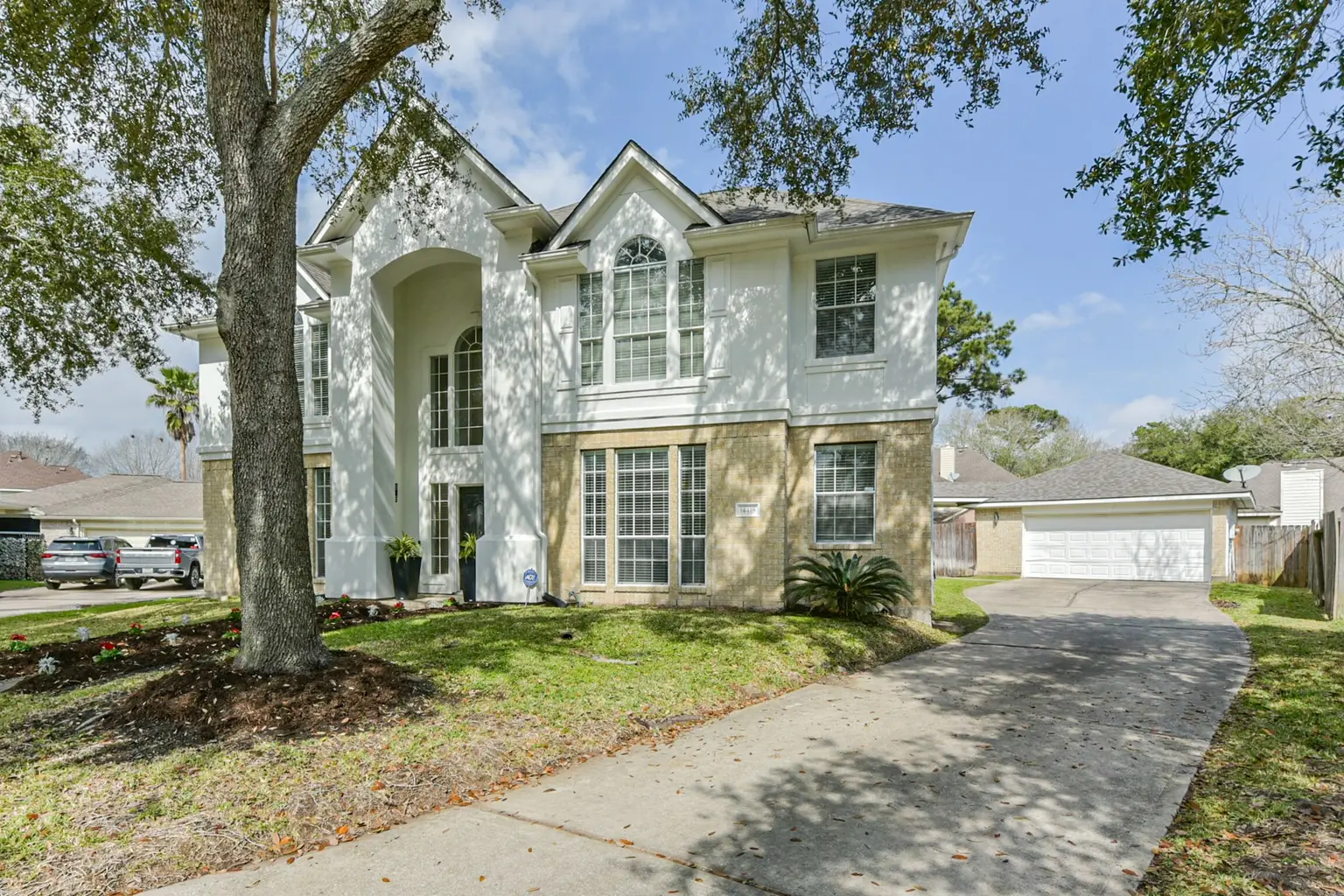 after · dusk
before
after · dusk
before
The short version
One image, one second, a screen full of alternatives. Lead with the room that sells the stay, shoot horizontally, keep the subject safe inside Airbnb's square search crop, and never promise anything the guest will not find when they arrive.
Guests don't browse listings. They scan them. On a phone, your entire listing is compressed to one image, a price, a rating, and a line of text — and the image does most of the first-impression work. If the cover photo doesn't earn the tap, none of your other twenty photos exist. Everything below is about that one frame.
The four-part cover-photo test
| Question | Pass | Fail |
|---|---|---|
| Is the draw obvious? | One room, view, pool, or outdoor feature reads instantly | The eye has to search the frame |
| Does the square crop survive? | The subject stays intact in the center | Furniture or the view disappears at the sides |
| Is it accurate? | Everything shown is part of the stay | The image promises a space or feature guests do not get |
| Is it distinct? | It shows why this stay beats nearby alternatives | It could belong to any listing in the grid |
Pick the room that sells the stay, not the property
A real estate photo leads with the house. A booking photo leads with the experience — the thing someone is imagining themselves doing there on a Friday night. Which room that is depends on what you're renting:
- Apartment or condo — the main living space, almost always. It's the room with the most light, the most furniture, and the clearest "I could relax here" signal. See living room photo tips.
- Whole home, cabin, or standalone house — the exterior at dusk. A lit property at golden hour is one of the strongest scroll-stoppers in short-term rental.
- The place with real outdoor space — a patio, deck, or yard, shot at dusk, is the reason a guest picks you over the identical apartment down the street. That's the photo at the top of this article: an ordinary paved backyard in flat daylight, and the same backyard at golden hour.
- The place with a view — lead with the view. If a guest is paying for the ocean, the mountain, or the skyline, that is the product. Show it from inside the room if you can, so it reads as your view, not a postcard.
- A pool or hot tub property — that's the reason they're booking. Photograph it properly rather than as an afterthought; how to photograph a pool covers the angles.
- A private room — the bedroom, made, bright, and clean. It's what the guest is actually renting.
If you can't decide, ask which photo you'd send a friend who asked "what's the place like?" That's the cover.
The three things a good cover photo has
Light. Bright reads as clean, cared-for, and safe. Dim reads as neglected, no matter how nice the space is. Shoot in the best natural light the room gets, turn the lamps on for warmth, and correct the exposure afterward. Best time of day to shoot is the cheapest upgrade available to you.
Depth. Stand in a corner, shoot toward the opposite corner, and hold the camera at about chest height. You get two walls, the floor, and a sense of how big the room actually is. A photo taken standing in the doorway pointed at a single wall makes every room look like a hallway. How to photograph a room has the full mechanics, and wide-angle photography covers where the fisheye line is (guests notice a bent room, and they hold it against you).
Calm. A cover photo should have one clear subject and no visual noise. Cords, a drying rack, a stack of mail, an open closet, the trash can — each one is a small reason to keep scrolling. Run the declutter checklist before you shoot, and pull whatever you missed out of the frame afterward.
What never belongs in a cover photo
- The bathroom. Necessary in the gallery. Never the cover.
- An empty, unfurnished room. If the unit isn't furnished yet, that's a different problem — see staging an empty space — but a bare room as your cover reads as "unfinished."
- Text, logos, watermarks, or collages. Booking platforms generally don't allow promotional overlays on listing photos, and even where they're tolerated they look like spam in a grid. Save the branded version for social.
- People, pets, or anything identifiable. A guest wants to imagine themselves there, not meet your family. Faces and license plates also raise privacy problems.
- A blurry, tilted, or heavily filtered shot. Cranked saturation is the tell of a listing that's hiding something, even when it isn't.
- A photo of a room the guest doesn't get. If you rent one bedroom in a shared house, the shared living room is not the cover. That's a booking that turns into a bad review.
The cover photo sets an expectation you have to honor.
This is the difference between a listing photo and a sales photo. A buyer walks the house before they commit; a guest commits, travels, and finds out. Brighten the room, straighten the lines, clear the clutter — all of that is fair, because the guest still walks into exactly the space they saw. Adding furniture that isn't there, editing out a defect, or shooting a room that isn't part of the rental is how you end up with a one-star review that quotes your own photos back at you. Where the line sits, precisely: Airbnb photo tips that don't break the accuracy policy.
Shoot it horizontal, and check the crop
Airbnb currently recommends horizontal photos, at least 1200 × 800 pixels, with the subject centered because search results automatically crop images into squares while the listing page displays them in landscape. That means a 3:2 source file is useful, but the central square must still tell the story. Leave breathing room at the sides and preview the listing on a phone before committing. These specifications come from Airbnb's current official photo guidance; our Airbnb, VRBO and Booking.com requirements guide puts the platforms side by side.
Test it like a listing, not like an artist
You do not have to guess. Cover photos are testable:
- Change only the cover image, change nothing else, and watch the view-to-click ratio for two weeks.
- Test one strong candidate against your current cover, not five at once. You'll learn nothing from a five-way change.
- Off-season is the right time to run these tests, when a lost week costs you less. That's the whole argument in off-season bookings.
- If the listing has been up for two years with the same cover, replace it on principle. Stale listings quietly decay. See refreshing stale photos.
Where Stylst lands
Stylst fixes the cover shot you already have. Enhance brightens and color-corrects a dim phone photo, Declutter pulls the noise out of the frame, and Day-to-dusk turns a flat midday exterior into the golden-hour version — about a dollar a photo, no subscription, back in about 30 seconds. Not sure your current cover is the problem? Run it through the free photo score first. Hosts start at stylst.app/airbnb.
The bottom line
Lead with the room that sells the stay. Make it bright, deep, and calm. Shoot it horizontal and check the crop on a phone. Keep it honest enough that the guest recognizes it when the door opens. Then test it — because the cover photo is the only photo most guests will ever see, and it's the cheapest thing on your entire listing to improve. Fix a photo and start with that one.
Questions people actually ask
Which room should my Airbnb cover photo show?
The room that sells the stay, which is usually not the one a real estate photo would lead with. A listing photo leads with the house. A booking photo leads with the experience a guest is buying, so a bright living space, a striking view or a beautiful bedroom will normally beat a facade shot of the building.
Should an Airbnb cover photo be horizontal or vertical?
Horizontal. Booking platforms display search results as landscape cards and they crop to fit, so a vertical image gets cut down to its middle and loses whatever made it work. Shoot wide, then check what survives the crop before you set it as the cover.
Can I use a virtually staged photo as my Airbnb cover?
Only if the space really looks like that when a guest walks in. Guests review against your photos, so a cover that promises furniture the unit does not have is the fastest route to a bad review. Staging is legitimate for previewing a unit that is not set up yet, but it needs disclosing and it should not be the cover.