How to Refresh a Stale Listing With New Photos
The listing sat through the spring rush and the showings dried up. Before you cut the price again, cut the photos that stopped working.
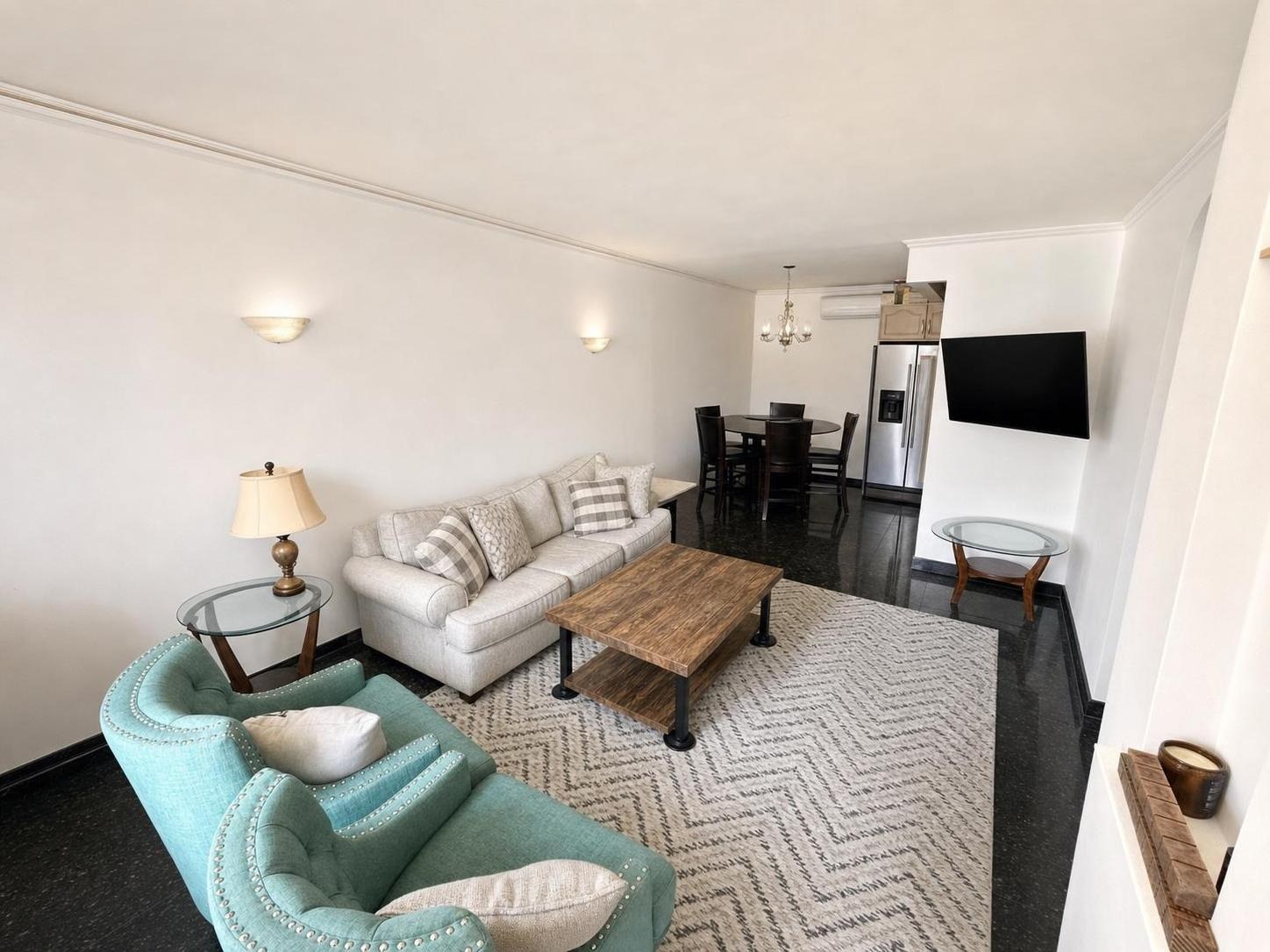
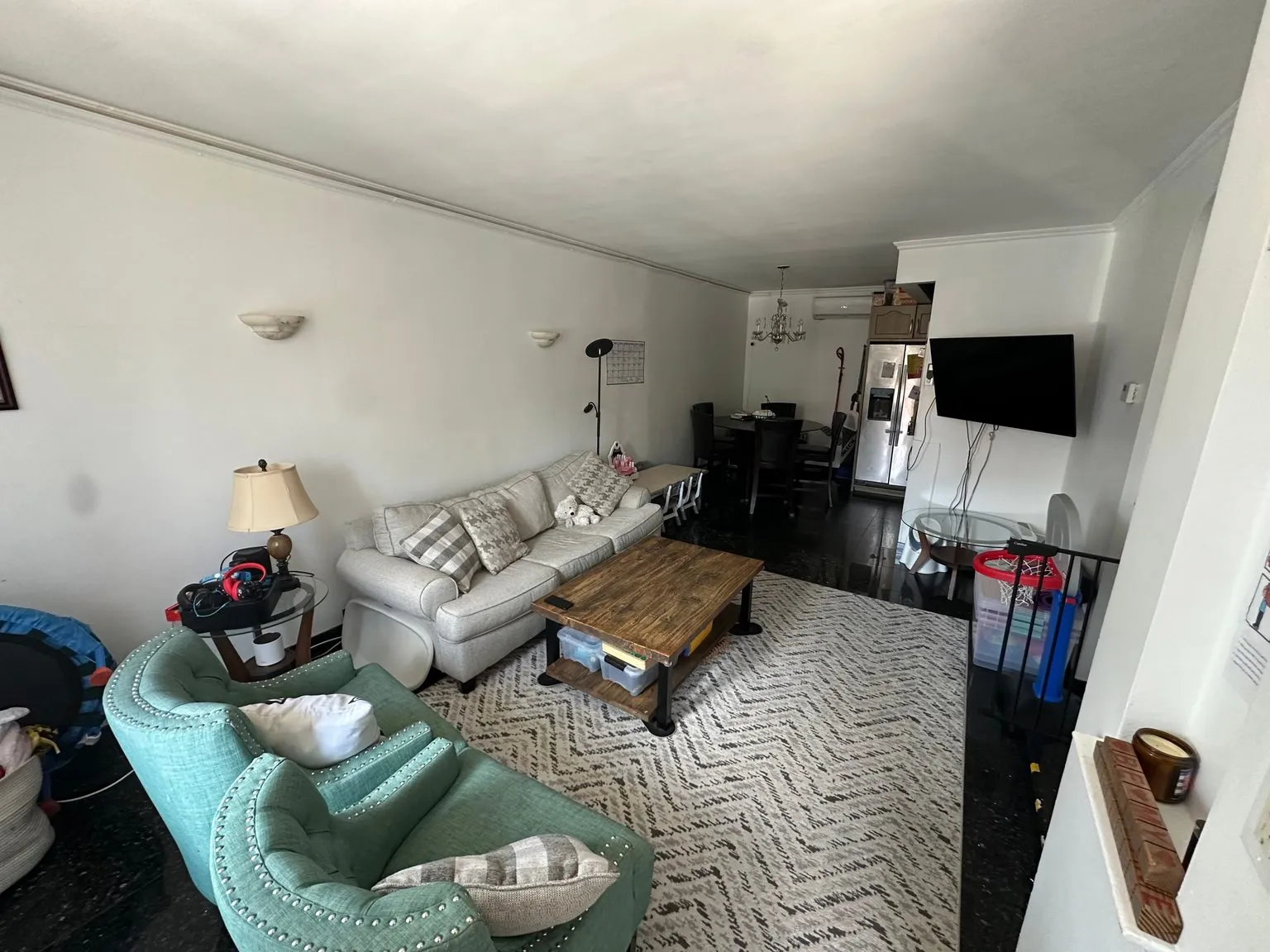 after
before
after
before
The short version
Before you cut the price again, cut the photos that stopped working. Diagnose whether it is really the photos, then do a genuine refresh: a new cover shot, the empty rooms staged, the dim rooms brightened, a dusk hero. Reorder the gallery too, and be honest about what actually changed at the property.
A listing that sat through the spring and into summer usually has a photo problem, not just a price problem. Buyers have already scrolled past your original images — a re-run of the same tired gallery at a slightly lower price won't win them back. The relisting move that actually works is a genuine visual reset: new, better photos that make returning buyers do a double-take and give the algorithm a reason to re-surface you. Here's the playbook.
First, diagnose why it stalled
Not every stale listing is a photo failure — but a lot are, and photos are the cheapest thing to fix first. Look at your gallery the way a fresh buyer would: is the cover shot dim or boring? Are rooms empty or cluttered? Are there obvious mistakes — dark corners, blown windows, crooked walls? Run it against the 9 real estate photography mistakes that kill listings. If several apply, the photos are your stall, and re-pricing without fixing them just leaves money on the table.
Bad photos are what a price cut pays for.
A listing sits, so the price drops $10,000, and it sits again. That reduction is the market charging you for a listing that didn't look worth the original number. A day of new photos for a few dollars each is a fraction of one price cut — and it fixes the actual reason buyers weren't clicking. Try the photos before the price.
The refresh checklist
- New cover shot. Lead with your single strongest image — a bright, staged living space or a dusk exterior. This is the thumbnail returning buyers see; make it look like a different, better listing. See Zillow listing photo tips.
- Declutter every room. If the home is occupied and lived-in, the accumulated clutter is aging your photos. Clear surfaces in real life, and let a declutter pass clean up what's left in the frame. See the declutter-before-photos checklist.
- Stage the empty or awkward rooms. Vacant rooms and dead spaces that buyers couldn't read the first time get furnished so the purpose is obvious. See how to stage an empty house for photos.
- Brighten and correct everything. Even the good rooms benefit from a consistent brighten-and-color pass so the whole gallery feels fresh and cohesive. See real estate photo editing basics.
- Add a seasonal shot. If the original photos were shot in a bare, gray off-season and it's now summer, a green exterior or a staged patio signals the listing is current, not recycled.
Reorder the gallery, don't just swap images
A refresh is a chance to fix the story order, too. Lead with strength, group rooms in the order a buyer would walk the home, and cut the weak filler shots that padded the original gallery. Sometimes the same photos in a better order already read as a stronger listing. How many to keep and how to sequence them is in how many photos a listing should have.
Be honest about what changed
A refresh is about presenting the home at its best, not misrepresenting it. If you virtually stage a room in the relisting, disclose it — label the image and note it in the description. Returning buyers and their agents are the most likely to notice a discrepancy, so honesty here protects the deal. See AI virtual staging disclosure rules.
Time the relaunch
Pair the visual refresh with the calendar. A balanced-to-buyer's market still has a summer demand peak, so relaunching a refreshed listing while buyers are active beats limping into the slower fall with the same tired gallery. If you're relisting now, do the photo reset and go live during the active window; if you're aiming for fall, prep the photos now — see prepping your listing photos for the fall market.
Where Stylst lands
Stylst is built for exactly this reset: declutter the lived-in rooms, stage the empty ones, brighten the dim ones, and add a dusk hero — each for about a dollar, in about 30 seconds, no account. You can refresh a whole gallery in an afternoon and relaunch the same day. Stage a photo and give the listing a real second first impression.
The bottom line
A stale listing rarely needs a lower price as much as it needs to look like a better home. Diagnose the photo problems, refresh the cover and the empty and cluttered rooms, reorder the story, disclose what you staged, and relaunch into an active window. New photos are the cheapest, fastest way to make buyers see your listing again.
Questions people actually ask
Should I change the photos on a stale listing?
Usually before you change the price, because photos are far cheaper to fix and are often the actual problem. A listing that sat through a busy season with weak images will keep being scrolled past at a lower price too. Diagnose first, since not every stalled listing is a photo failure.
Is it enough to just swap a few images?
Not really. A refresh is also a chance to fix the order, because gallery sequence is part of why buyers stop scrolling. Lead with a genuinely different and stronger cover, put the strongest rooms early, and remove the weak frames rather than only adding new ones alongside them.
Do I have to disclose that photos were updated?
You do not have to announce that you retook photos, but the images must still represent the property as it is now. If the season has visibly changed, or if you have staged rooms that were previously shown empty, that needs the usual labelling. A refresh presents the home at its best, it does not misrepresent it.