Virtual Staging in Ireland: Daft.ie, MyHome.ie and the Rules
Grey skies, small period rooms, and a rental market that clears in days. Here's how staged photos actually work on an Irish listing — and where the line is.
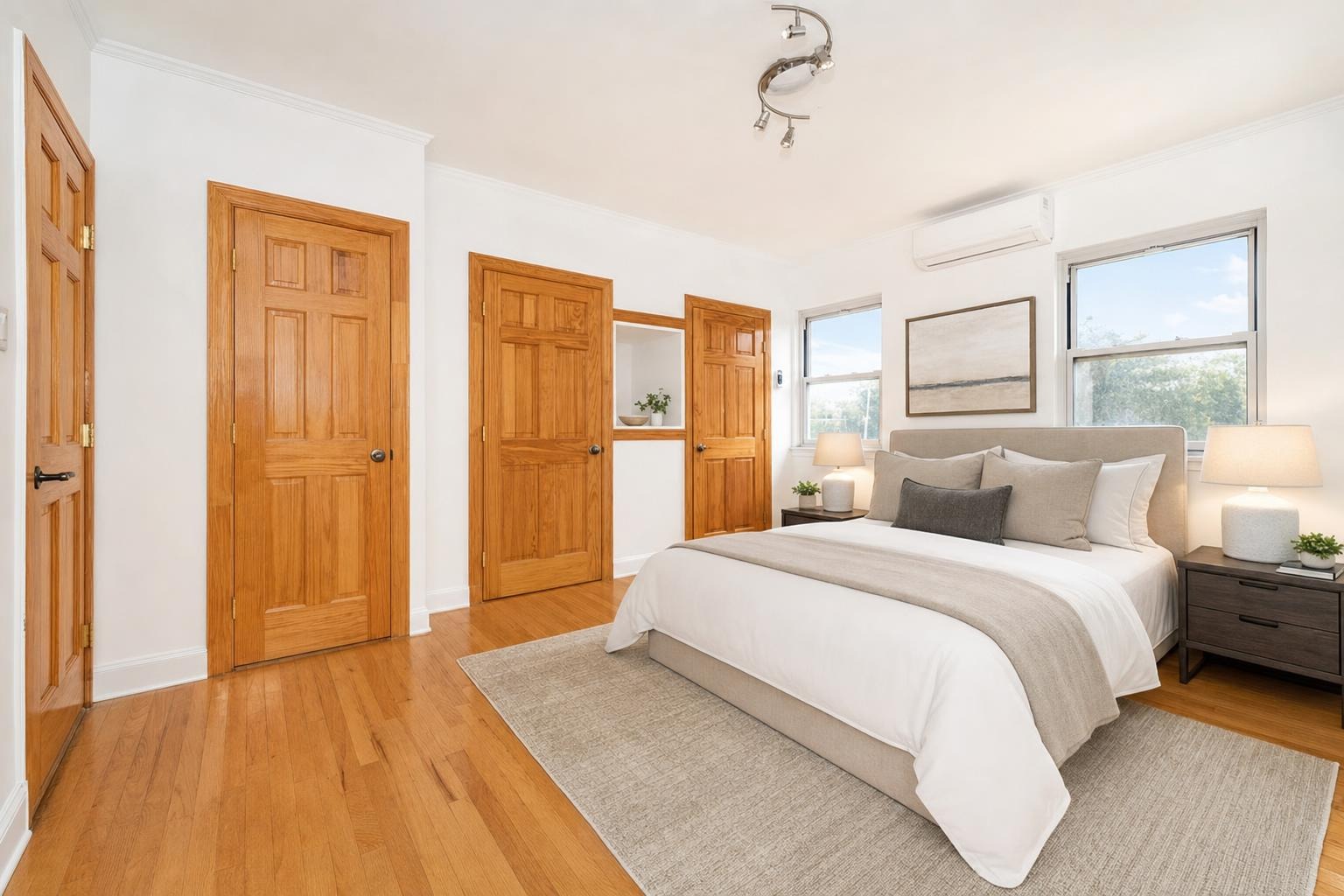
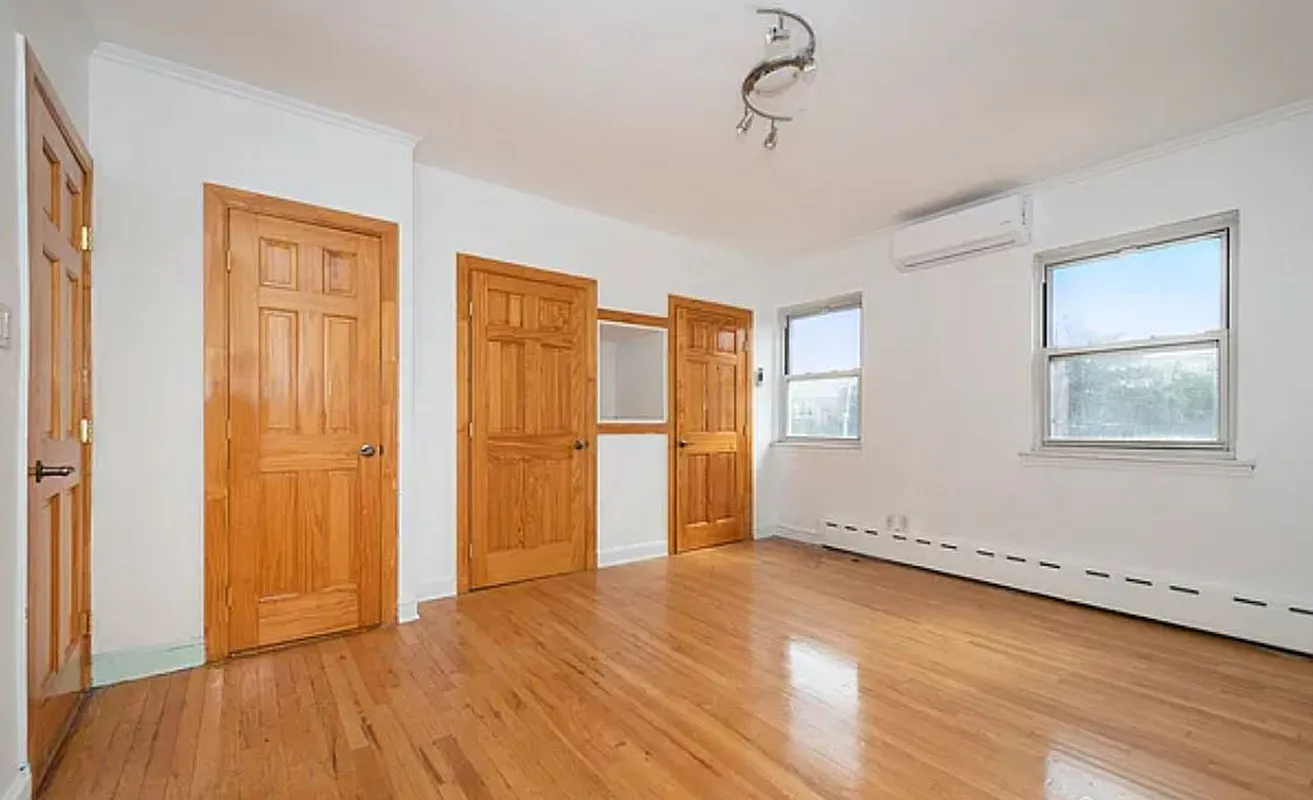 after · staged
before
after · staged
before
The short version
Grey skies, small period rooms and a rental market that clears in days. Daft.ie is where the market actually lives, the light problem is real for most of the shooting year, and nobody has published a virtual-staging rulebook for Ireland, so the conservative reading of consumer protection law is the correct one.
An Irish property search starts on a phone, on Daft, on a card that shows one photo, one price, one line of address, and the BER. Whatever else you do — the description, the floorplan, the twenty other images — the buyer or the tenant has already decided whether to tap, and they decided on the photo.
That's a lot of weight for one frame, and it's usually a frame shot in flat grey light in a small room with nothing in it. Virtual staging is a cheap fix for the picture, not for the property. Used properly it earns viewings. Used carelessly it earns a complaint. Both parts matter here, so we'll do both.
The two portals, and what they reward
Daft.ie is where the market lives — sales and rentals both, and by a wide margin the site people actually open. MyHome.ie is the other one that counts, skewing a little more towards the buyer end and towards agents who present their stock properly. Most agencies list on both. The mechanics are the same on either: a results page of cards, one hero image each, thumb scrolling fast.
- The lead photo is the listing. Not "the first of twenty photos". As far as the search results are concerned it is the property. Lead with the strongest room — usually the kitchen or the living room, almost never the hall.
- Shoot landscape. A portrait phone shot gets cropped into nonsense on a portal card. This is free to fix and it gets ignored constantly.
- Give the set depth. Every principal room, the garden or yard, and a floorplan. A six-photo listing reads as an agent who couldn't be bothered.
- Your photo sits beside the BER. The rating is required in the advertisement, and it's right there on the card arguing its own case. A dark, cold-looking photo next to a low BER tells one story. The same room, warm and legible, tells a better one — without changing a fact about the building.
The light problem is a real problem
For most of the shooting year, Ireland gives you a flat white sky and no directional light. That is not a photographer's excuse, it's physics: no sun means no modelling, no contrast, and interiors that come out grey-green and lifeless with a blown-out window in the corner.
This is the single biggest thing holding back Irish listing photos, and it has nothing to do with furniture. An Enhance pass — a straight professional edit that adds nothing and removes nothing, just brightening, colour correction, and straightening — does more for the average occupied Irish house than staging ever will. Run it on every photo in the set. It's the highest-return thing on this page.
Day to dusk is the other one. A warm evening exterior of a terrace or a period front does an enormous amount of work on a card full of grey afternoons. It also comes with an obligation, which is the callout below.
Small rooms, and the period features people came for
A lot of Irish stock is small by the standards of the tools that stage it: a Georgian return, a terraced box room, a two-bed apartment where the living room and the kitchen are the same room. Two things follow.
First, an empty small room photographs worse than an empty big one. With no object in the frame, the eye has nothing to measure against, so it assumes small and moves on. One bed, one rug, one bedside lamp is enough to fix that — you're not decorating, you're giving scale a reference point. The UK guide goes further into why empty rooms lose the click.
Second, and more important: the period features are the product. The cornicing, the ceiling rose, the original sash windows, the cast-iron fireplace, the floorboards. Those are the reason someone is looking at a 1900s terrace instead of a new-build in a commuter town. Any edit that smooths them away, paints over them, or hides them behind a giant sofa has destroyed the thing you were selling. Keep the furniture modest and out of their way.
Rentals: photos move faster than anything else
A rental listing isn't competing for attention, it's competing for the first ten enquiries, and it gets them or it doesn't within hours. Landlords and letting agents underinvest here because the place will let anyway — which is true, and also why so many rental listings look like an insurance claim.
The move for a tenanted or furnished let is not staging. It's Declutter (the tenant's real furniture stays exactly where it is; the drying rack, the post on the counter, and the cables go) plus Enhance. That's an honest photo of the actual flat, which is what a tenant turning up to a viewing will compare it to. Staging belongs to the empty ones.
The photo has to survive the viewing.
Day to dusk turns a grey Tuesday afternoon into a warm evening. That is a representation, not a photograph of an evening that happened — so label it, exactly as you'd label a staged room. Same for furniture in an empty period house: the buyer is being shown a possibility, and they're entitled to know that's what it is. Irish listings live and die on trust in the photos, and the fastest way to lose a viewing (and your reputation on a small island) is a buyer walking in and finding the room doesn't match. Two things you never do: never edit away a defect — damp, cracking, a knackered kitchen — because the survey finds it anyway and now it's a fight; and never edit away the period features people came for.
The rules, stated plainly
Nobody has published a virtual-staging rulebook for Ireland, and you should be suspicious of anyone who says otherwise. What exists is the general framework, and it's enough to work from:
- The PSRA licenses estate agents, auctioneers and letting agents and can act on improper conduct — which includes knowingly publishing false or misleading advertising about a property. That is the hook a virtual-staging complaint would hang on.
- Consumer protection law prohibits misleading commercial practices generally, and it's enforced by the CCPC. The test isn't whether an image was edited; it's whether the marketing gave a false impression that would change someone's decision.
- The advertising standards system takes complaints about misleading property ads too. Agents have been pulled up for stretching what counts as a bedroom — the same logic lands on a room full of furniture that isn't there.
So the operating principle is simple, and it's the same one every serious market has landed on: a virtually staged image must not mislead a buyer or tenant, which means it must be clearly labelled as virtual staging or a digital representation. Put the label on the image and in the description. Then confirm the current requirements with the PSRA and with your own agency's compliance policy — that's their job, not a blog post's. If you want the wider picture on disclosure, is virtual staging legal? covers how the same principle is written down elsewhere.
Which tool, for which Irish job
- Occupied house or flat → Enhance every photo. Declutter the ones with life in them.
- Empty house, probate sale, end of tenancy → Stage. Modest furniture, period features untouched, disclosed.
- Terrace, period front, anything with a decent elevation → Day to dusk on the exterior, and lead with it if it's your strongest asset.
- A dated kitchen or bathroom that's dragging the price → Renovation preview, clearly labelled as a preview, to show what's possible without pretending it's done.
- Every rental listing you have ever shot in a hurry → Enhance. About 30 seconds. Do it.
Where Stylst lands
Photograph the room on your phone, pick the room type, the style and the tool, and get a listing-ready image back in about 30 seconds. It's roughly $1 a photo, pay-as-you-go, no subscription required: packs run 10 for $16.99, 30 for $44.99, and 100 for $129.99 — about a dollar a photo at the top pack. The packs are priced in US dollars, but checkout presents and settles in your local currency, so at the till you're paying in euro at the day's rate.
Your first photo is free. On the web it's generated at full quality and stored clean, but served with a preview watermark until your first purchase, which unlocks that same photo permanently. In the iPhone and Android apps the first one is free with no watermark and no account at all. If the result misses, tell us within 24 hours and we'll re-run it free with your feedback — and if it still misses, we'll credit you back. The cost breakdown compares that to the per-photo shops, and the Australian guide covers a market with the opposite light problem.
Questions people actually ask
Is virtual staging allowed in Ireland?
Yes, virtual staging is used routinely on Irish listings, and the rule that governs it is the general one: your advertising must not mislead the buyer or tenant. That means a virtually staged image needs to be clearly identified as virtual staging or a digital representation, wherever it appears. Confirm the current requirements with the PSRA and with your own agency's policy before you publish.
Do I have to label a staged photo on Daft.ie or MyHome.ie?
Label it, on the image and in the property description, every time. A short line such as virtually staged, furniture shown is for illustration only costs you nothing and removes any argument about whether the picture created a false impression. Portals also set their own content policies, so check theirs as well as the regulator's.
Does a day to dusk photo count as misleading?
It can, if you present it as a photograph of an evening that actually happened. A dusk conversion is a representation of the house at golden hour, not a record of one, so label it the same way you label staging and it stays on the right side of the line.
How much does virtual staging cost for an Irish listing?
With Stylst it is roughly a dollar a photo, pay as you go: packs run from 10 photos for $16.99 up to 100 for $129.99, which works out around a dollar a photo at the top pack. The packs are priced in US dollars, but checkout presents and settles in your local currency, so an Irish buyer pays in euro at the day's rate.
The bottom line
Irish listings are won on one photo, in one second, against a grey sky. Enhance everything you shoot, declutter the occupied ones, stage the empties, and put a warm dusk on the front elevation if the front elevation is the argument. Then label every edit that shows something the camera didn't see, protect the cornicing and the fireplace like they're the price, and never let an image paper over a fault the survey is going to find anyway.