Virtual Staging for Australian Agents: realestate.com.au and Domain
A four-week auction campaign gives you one shot at the photos. Here's how to make them land without adding a five-figure styling line to the VPA.
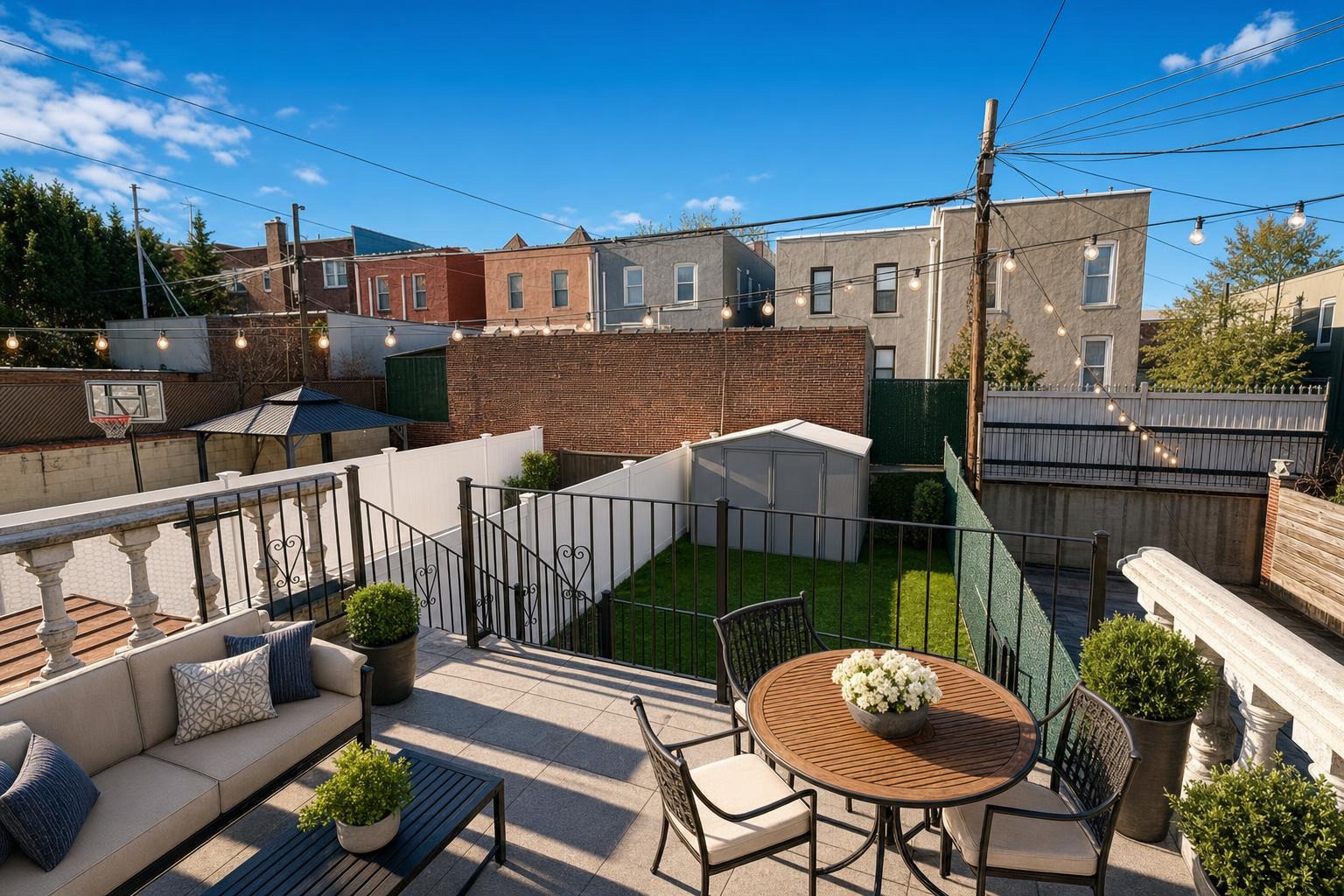
 after · staged
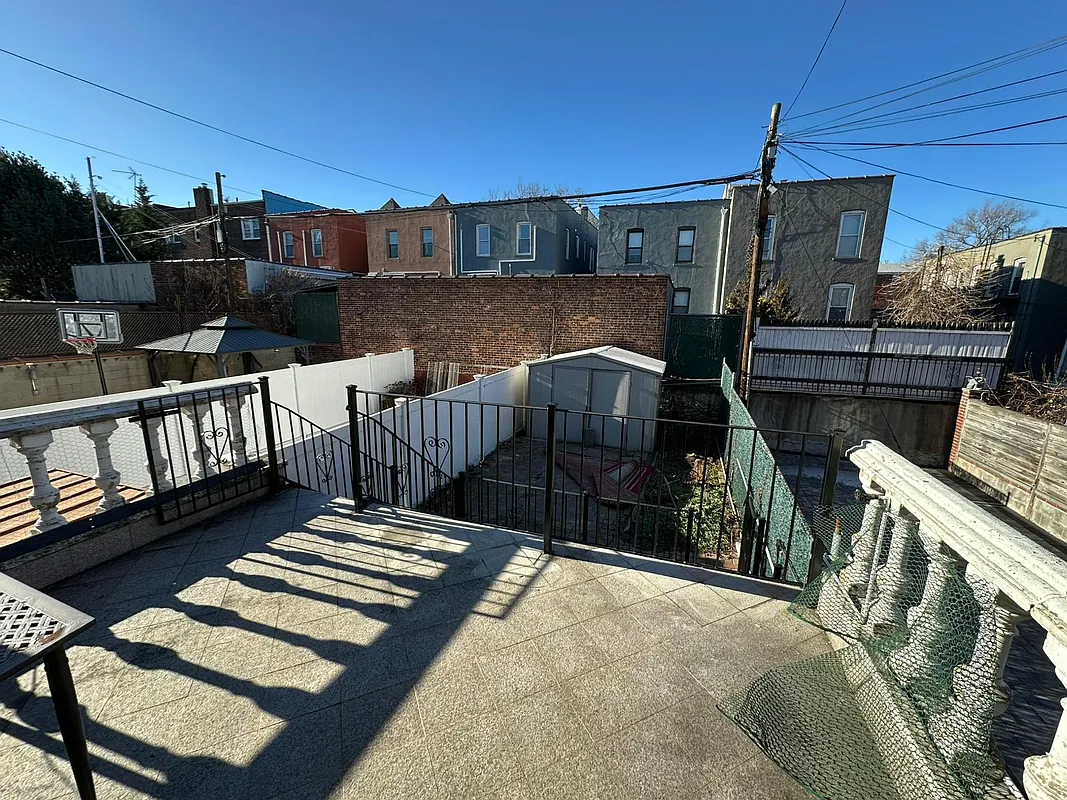
before
after · staged
before
The short version
A four-week Australian auction campaign gives you exactly one shot at the photos, and property styling is a visible line on the VPA that the vendor reads. Virtual staging covers the vacant possession listing, the deceased estate and the between-tenancies investment property without adding a five-figure styling cost.
The Australian campaign is brutally simple: you sign the authority, the photographer comes Wednesday, the copy and floorplan get written, and the listing is live on realestate.com.au and Domain by the weekend. Four Saturdays of opens, then the auction. Every buyer who ever walks through that property first met it as a thumbnail on their phone on a Thursday night.
Which means the photos aren't a deliverable. They're the campaign.
The timeline is the whole problem
There is no second shoot. The photographer gets one pass, usually on whatever day suits the vendor, in whatever light that day happens to give you. If the vendor's furniture is dated, if the third bedroom is being used as a junk room, if the courtyard is bare concrete — that's what goes to market, and by the time you realise the online enquiry is soft, you're a week into a four-week campaign.
Physical styling solves that, and Australian stylists are genuinely very good at it. But it has to be booked, quoted, delivered, and hired for the campaign period, and it needs to happen before the photographer arrives. Miss the window and the whole thing collapses into "we'll fix it in the copy".
Styling is a real line on the VPA — and the vendor sees it
Property styling on a metro house is not a rounding error. A full-house package with furniture hire for the campaign runs into the thousands of dollars, and it sits on the vendor-paid advertising schedule right next to the REA Premiere upgrade and the signboard. Some vendors happily wear it. Plenty of others look at that number, look at their reserve, and tell you to do it without.
That's the wedge for virtual. It works on the photograph rather than the property, it costs a fraction of a styling package, and it doesn't need a delivery truck or a hire period. It's not a replacement for styling a $3m Federation home going to auction in a hot inner-suburb market. It is a replacement for having no styling at all, which is what most of your stock actually gets. The full comparison is in virtual staging vs traditional staging, and the numbers in what virtual staging costs.
What the portals reward
- One hero image carries the search result. On realestate.com.au and Domain the buyer sees a single photo, a price guide, and a suburb. That frame does all the selling.
- Paying for depth doesn't fix a weak hero. If you've bought the vendor a premium listing upgrade, you've bought a bigger, higher placement for the same photo. Bigger and higher just means more people see a bare room.
- Outdoor space is a hero shot in this market in a way it isn't in most of the world. A bare deck or an empty courtyard is a wasted lead photo. Furnish it. Staging a patio or deck and outdoor staging go through the shot.
- Shoot landscape, shoot wide, shoot every principal room. The basics still decide it — how to photograph a room covers the ones agents keep getting wrong.
Disclose it, plainly.
Australian Consumer Law's ban on misleading or deceptive conduct is the whole ballgame here, and a photo is conduct. Digitally added furniture must be flagged — "virtually styled", "furniture is digitally added and is indicative only" — in the photo caption and in the listing copy, on both portals. This is easy and nobody minds. What is not okay is using an edit to make a defect disappear: a crack, staining, a hole in the plaster. Buyers walk through the property, and the ones who don't will still get a building and pest report. See is virtual staging legal? and the 2026 disclosure rules for the general framing.
The four tools, mapped to an Australian campaign
- Stage — the vacant possession listing, the deceased estate, the investment property that just went vacant between tenancies. Furniture in, disclosed.
- Declutter — the occupied family home. It keeps the vendor's actual furniture and clears the bench clutter, the washing basket, the kids' scooters. Honest, and it doesn't require a conversation with the vendor about their taste in lounges.
- Enhance — a professional edit, nothing added or removed. It's what rescues a shot taken in flat overcast light on the one day the vendor was available.
- Day-to-dusk — the street elevation, shot at 2pm, turned into the warm evening shot. Strong on a west-facing facade. Details here.
Two plays worth stealing
The listing presentation. Take a phone photo of the vendor's empty rumpus room while you're doing the appraisal, stage it before you leave the driveway, and show them. You've demonstrated the campaign instead of describing it. The agent presenting on Thursday is bringing comparables and a folder.
The stale campaign. Passed in at auction, three weeks of nothing, and now you're on a private treaty run with dead photos. Reshoot, restage, relaunch — the portal alerts fire again and the property gets a genuine second first-impression. Refreshing stale listing photos has the play.
Where Stylst lands
Stylst is a phone app and a web app. Shoot the room, pick the room type and a style, and a staged, portal-ready photo comes back in about 30 seconds. It's $1 a photo, pay-as-you-go — priced in US dollars, and checkout presents and settles in Australian dollars, so you're charged in AUD at the day's rate. No subscription, no minimum, and the phone app doesn't need an account at all.
That price means an agent can stage every empty room on a listing for less than the cost of the coffee run, and a principal can hand it to the whole office without a procurement conversation. If you want a read on the photos you already have, the free photo score will tell you which ones are letting the campaign down.
The bottom line
An Australian campaign is short, expensive, and decided online before anyone opens a gate. Styling wins when the vendor will fund it. When they won't — which is most of the time — the choice isn't styled versus virtual, it's virtual versus a photo of an empty room. Stage the empties, declutter the lived-in ones, furnish the outdoor space, say plainly that the furniture is digital, and let the hero image do the job you're being paid for.
Questions people actually ask
Why does virtual staging suit an Australian auction campaign?
Because the timeline is the whole problem. A four-week campaign means there is no second shoot, so the photos have to be right the week they are taken. Virtual staging removes the scheduling dependency entirely, which matters far more here than in a market where a listing can sit and be re-photographed.
How does it compare with property styling on the VPA?
Property styling on a metro house is not a rounding error, and it appears as a line the vendor sees and questions. Virtual staging is a fraction of that. The honest caveat is that styling also works at the open home and virtual staging does not, so on a high-end campaign both can be justified.
Do I need to disclose virtual staging on realestate.com.au?
Yes, plainly. Australian consumer law takes misleading advertising seriously and the portals expect altered images to be identified, so label the image and say it in the copy. Disclosure is also simply better practice before an open home, where a buyer walks into the real room.