Virtual Staging for UK Estate Agents: Rightmove and Zoopla
The main photo is the shop window. Here's how to make an empty flat earn a viewing — and stay the right side of the rules while you do it.
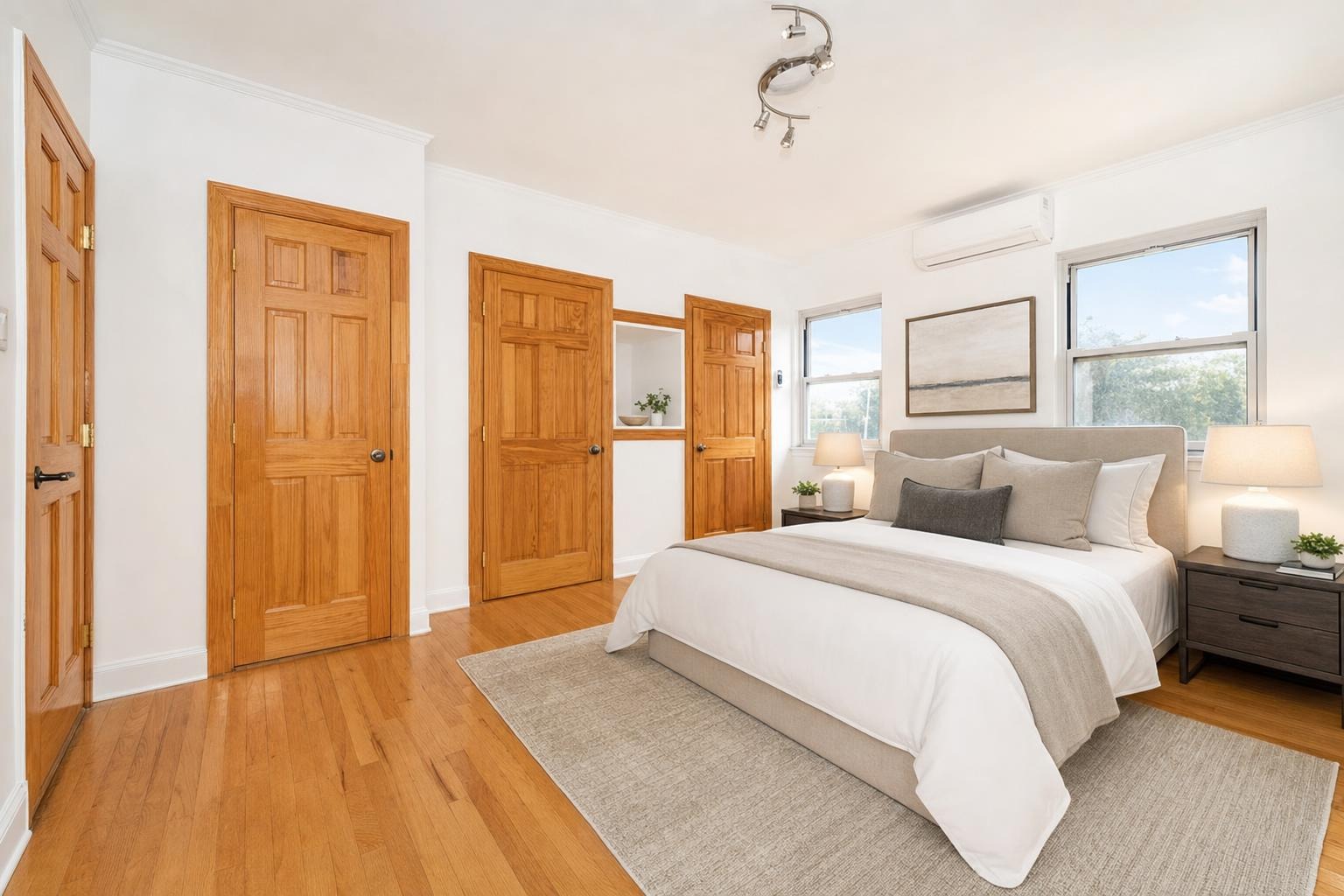
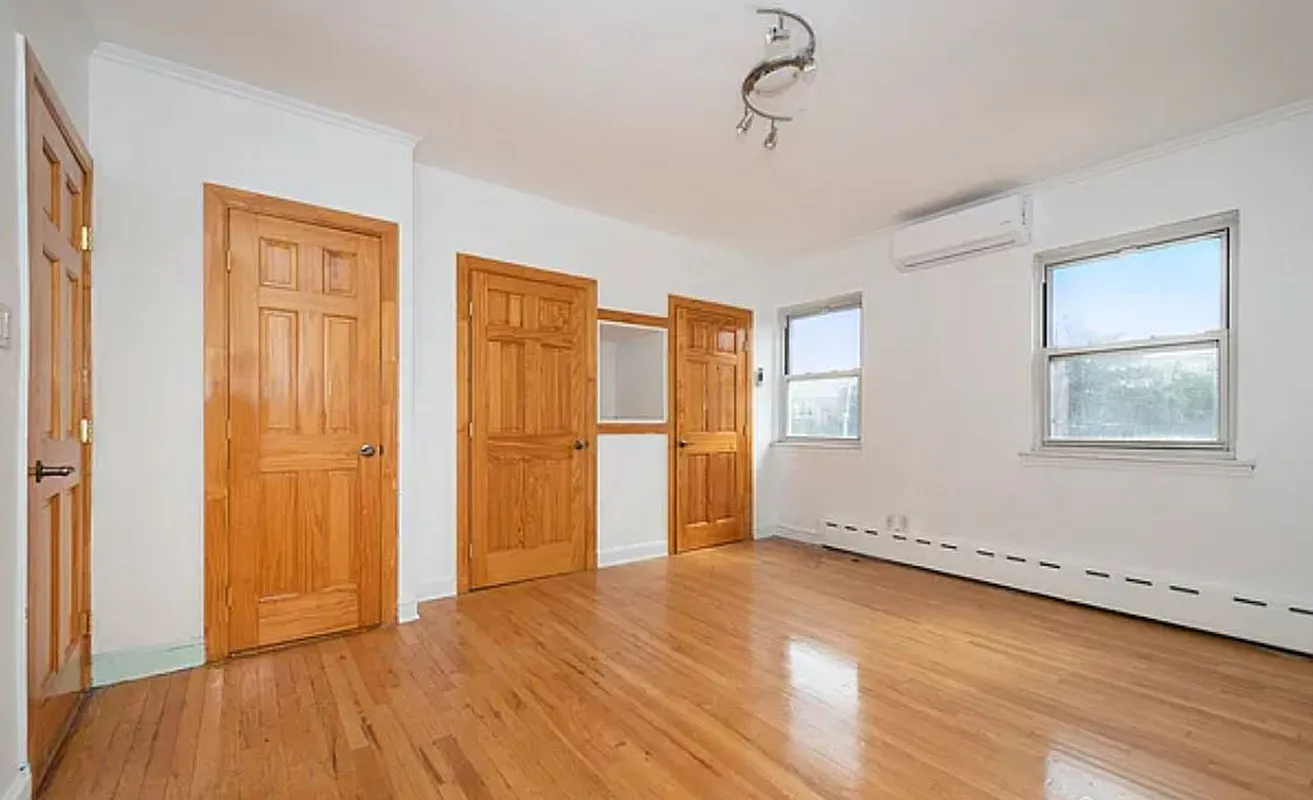 after · staged
before
after · staged
before
The short version
Rightmove and Zoopla both surface a listing as a card with one main image, so British buyers decide whether to enquire on one photograph in about a second, on a phone. A large share of UK stock comes to market empty, which makes the main photo of an unfurnished flat the hardest working image in the country.
Nearly every viewing you book now starts with a thumbnail. A buyer is scrolling Rightmove on the train, and your listing gets roughly the same attention as the one above it and the one below it — one photo, one price, one line of address. If that photo is a bare magnolia bedroom shot on a grey Tuesday, you're relying on the vendor's asking price to do all the work.
Virtual staging fixes the cheapest part of that problem: the picture. It doesn't move furniture, it doesn't need a hire period, and it doesn't need the vendor's permission to put a sofa in a room they've already moved out of.
What the portals actually reward
Rightmove and Zoopla both surface a listing the same way — a card with one main image. OnTheMarket works the same. Everything downstream (the click, the saved property, the enquiry, the viewing) is gated behind that single frame. The lead photo is not "the first of twenty photos". It is the listing, as far as the search results are concerned.
- Lead with the strongest room, not the hallway. Reception room or kitchen almost always beats a front elevation shot on a terraced street.
- Give the set enough depth. Every principal room, the garden, and a floorplan. A listing with six photos reads as a listing the agent didn't bother with. More on the right count in how many photos a listing needs.
- Shoot for the crop. Portal cards crop wide. Keep the hero subject central and don't rely on detail at the frame edge.
- Portrait phone shots die on a portal card. Shoot landscape. It's the one thing that costs nothing and gets ignored constantly — see the mistakes that quietly kill a listing.
The empty-property problem is a British speciality
A big share of UK stock hits the market with nothing in it. Probate sales. Landlords selling at the end of a tenancy. Vendors who've already completed on the onward purchase and moved out. New-build and part-exchange units that were never lived in. In every one of those cases the agent gets handed a set of bare rooms and told to make them fly.
Empty rooms photograph badly and always have: no scale, no warmth, every scuff on the skirting board given equal billing with the bay window. Buyers say they can imagine it. They can't. Staging an empty house for photos covers why the eye needs an anchor object in the frame before it can read a room's size at all.
Physical staging vs virtual, in a UK market
Home staging is a real trade here, and on a high-value instruction in a competitive postcode it can be worth every penny. But it's furniture hire — a per-room fee plus a minimum hire period, plus delivery, plus a stylist's day. On a two-bed leasehold flat, the numbers rarely work for the vendor, and asking them to fund it is a good way to lose the instruction to the agent down the road who didn't.
Virtual staging works on the photographs, which is where the buyer meets the property anyway. It costs a fraction of the hire fee, and you can restage the same room in three different styles to see which one gets clicked. The full comparison is in virtual staging vs traditional staging, and the money side in what virtual staging actually costs.
Label it. Every time.
UK consumer protection rules — the ones every agent knows as the CPRs, enforced by Trading Standards and backed by your redress scheme — turn on a simple principle: your marketing must not create a misleading impression that would change a buyer's decision. Furniture that isn't there is exactly the kind of thing that principle is about. So say so. "Virtually staged" or "furniture shown is for illustration only" in the photo caption and the property description costs you nothing and settles the question. What you must never do is use an edit to hide a defect — damp, cracking, a knackered kitchen. That isn't staging, and no caption saves it. The general framing is in is virtual staging legal? and the 2026 disclosure rules.
Not everything needs furniture
Staging is one tool of several, and the other three do more work in Britain than people expect.
- Enhance — a straight professional edit. Nothing added, nothing removed. This is the one that rescues a flat shot under a flat grey sky, which is most of the shooting year here.
- Declutter — keeps the vendor's real furniture, clears the drying rack, the post on the worktop, the kids' toys. For an occupied property this is the honest option: the room stays the room.
- Day-to-dusk — turns a dull afternoon exterior into a warm evening one. Excellent on a period front elevation. See day-to-dusk conversion.
- Stage — furniture into an empty room. Disclose it.
A working rule: if the property is occupied, enhance and declutter. If it's empty, stage. If the front of the house is the strongest asset, run a dusk conversion on it and lead with that.
Use it to win the instruction, not just the listing
Take a phone photo of the vendor's empty back bedroom during the market appraisal, stage it while you're sat in the car, and show them on the way out. You've just demonstrated the marketing rather than described it. That is a stronger close than another sheet of comparables, and the competing agent doing a valuation on Thursday won't have it.
It works the same on a stale instruction. Property been on since spring, three price reductions, nobody through the door? Reshooting and restaging before you relaunch gives the portal alert something new to fire on. Refreshing stale listing photos goes through the relaunch play.
Where Stylst lands
Stylst is a phone app and a web app. Photograph the room, pick the room type and a style, and get a staged, portal-ready image back in about 30 seconds. It's $1 a photo, pay-as-you-go — priced in US dollars, but checkout presents and settles in pounds, so you pay in £ at the day's rate. No subscription, no per-seat licence, and the phone app doesn't even need an account.
For an agent that means you can stage one room to test it before you commit anything. For a branch it means a whole instruction's worth of photos costs less than the coffee run. If you want a read on your existing shots before you spend a penny, the free photo score will tell you what's weak about them.
The bottom line
British buyers make the decision to enquire on one photograph, in about a second, on a phone. An empty room loses that second. Stage the empties, enhance the occupied ones, disclose the furniture plainly in the description, and never use an edit to paper over something a surveyor is going to find anyway. Do that and your listings win the click on merit — which is the only kind of viewing worth booking.
Questions people actually ask
What do Rightmove and Zoopla reward in a listing photo?
One strong main image, because both portals surface a listing as a card with a single photograph and that is where the enquiry decision happens. Bright, level, uncluttered and clearly readable at thumbnail size beats technically impressive and dark every time.
Is virtual staging allowed for UK estate agents?
Yes, with disclosure. UK property advertising is governed by consumer protection rules that prohibit misleading a buyer, so a staged image needs identifying as such. That is the whole requirement. Adding furniture honestly and labelling it is normal practice.
How can staging help win an instruction, not just sell a listing?
Take a phone photo of the vendor's empty back bedroom during the market appraisal, stage it before you leave, and show them on the way out. It demonstrates what their listing will look like rather than describing it, which is a far stronger close than a printed comparables pack.
Sources
- Consumer Protection from Unfair Trading Regulations 2008 (UK) — Regulations 5 and 6 prohibit misleading actions and misleading omissions in commercial practices.