AI Real Estate Photography Trends to Watch in 2026
The gap between a phone snapshot and a studio-quality listing photo is closing fast. Here's what's actually changing this year — and what to adopt now.
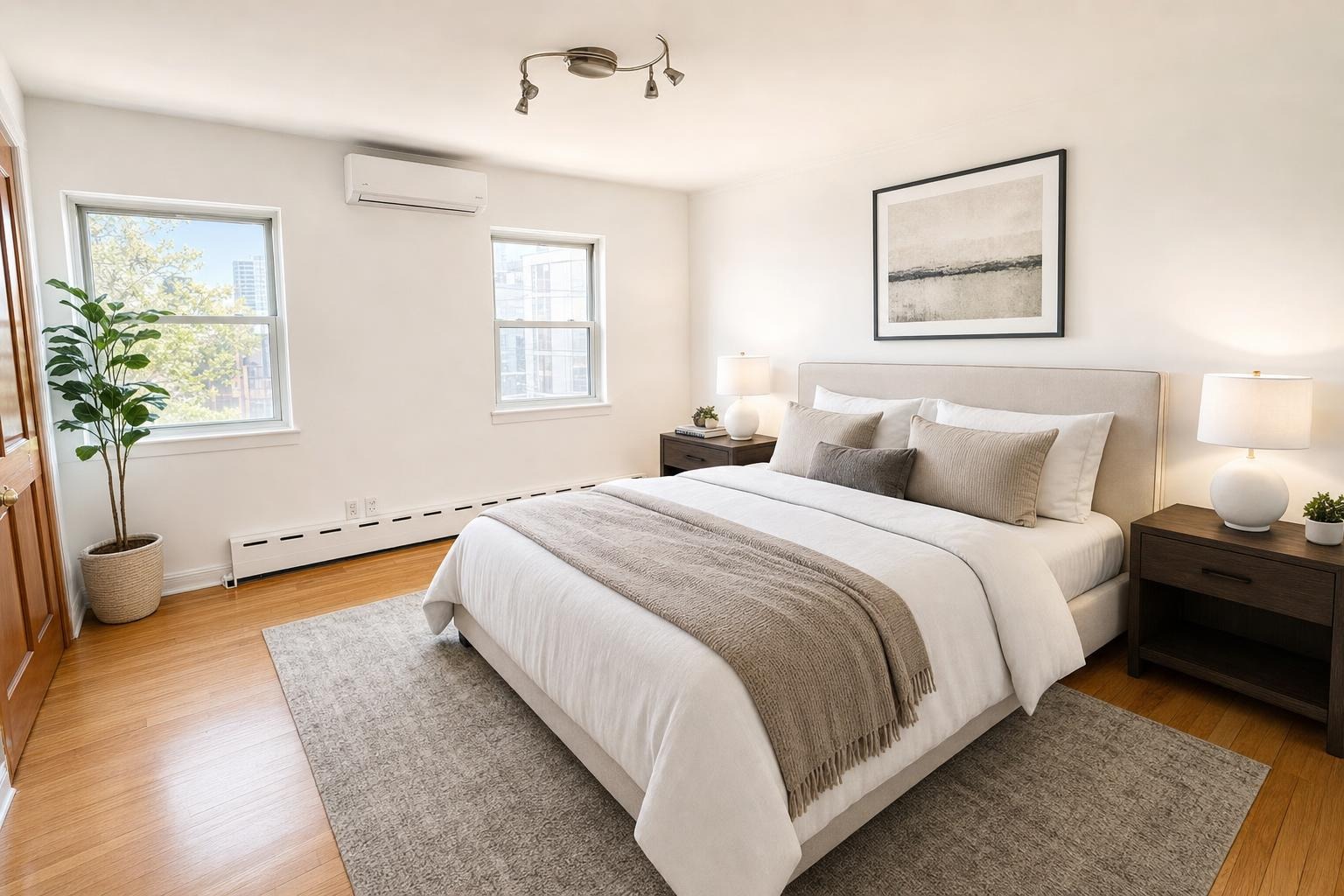
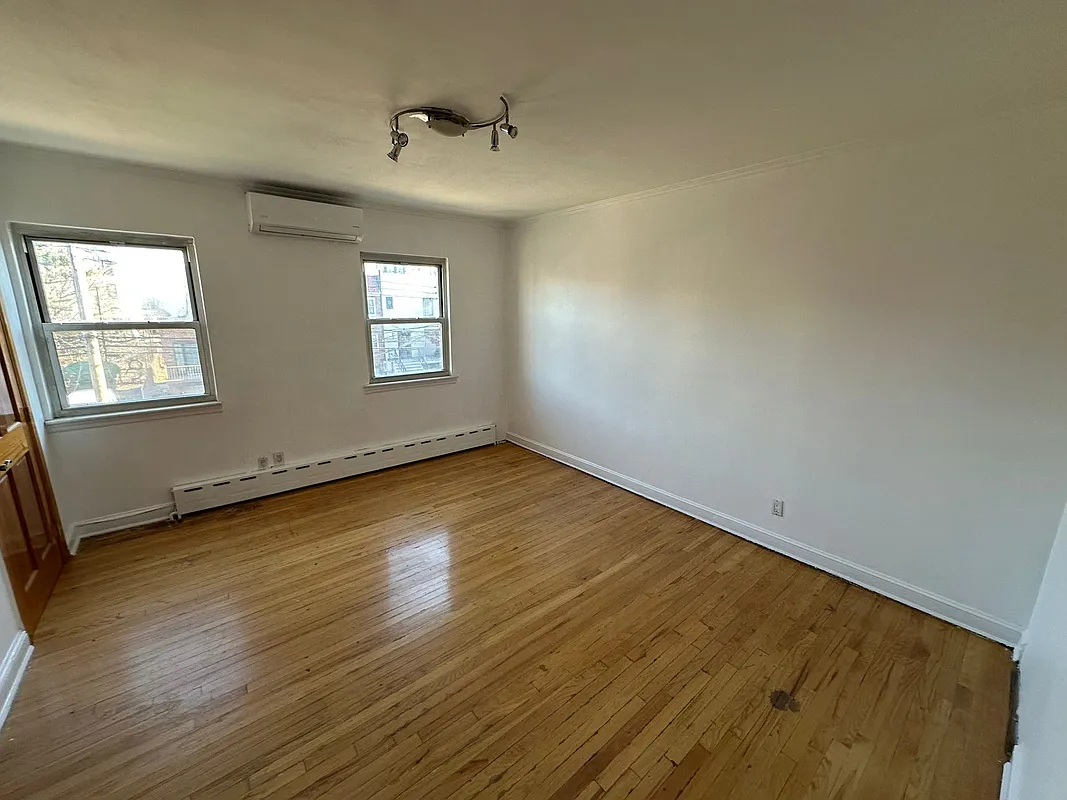 after · staged
before
after · staged
before
The short version
Six things changed at once in 2026: staging went from a multi-day studio job to a one-minute step, editing moved off the desktop and onto the phone, the toolset grew past "add furniture", disclosure got formal, photorealism crossed the line where you can no longer spot it, and subscriptions gave way to pay-as-you-go.
For a long time, "good listing photos" meant a DSLR, a tripod, a wide lens, and either a photographer's schedule or a staging company's invoice. In 2026, the AI tools that were novelties two years ago have become the default workflow for a growing share of agents, investors, and DIY sellers. Here's what's actually shifting — and how to tell a real trend from hype.
1. Instant virtual staging is now table stakes
The single biggest change: staging a room went from a multi-day, per-room studio job to a one-minute, one-dollar step you run from your phone. AI can furnish an empty room, keep the real walls, windows, and floors, and return a photorealistic result while you're still standing in the house. It's no longer a premium add-on for luxury listings — it's the baseline expectation on ordinary ones. How the model actually does it is in AI virtual staging: how it works.
2. Editing moved from the desktop to the phone
Brightening, color correction, straightening verticals, recovering blown windows — the edits that used to require Lightroom and a laptop now happen automatically, on-device, in the same tool that stages the room. The practical effect is that the whole pipeline — shoot, edit, stage, list — collapses into one afternoon with no desktop software. See real estate photo editing basics for what a good automatic edit fixes.
3. Multi-tool workflows, not just "add furniture"
The category grew past staging. The tools people reach for in 2026 cover distinct jobs: stage an empty room, enhance a real one without adding anything, declutter to remove personal items while keeping the furniture, day-to-dusk for the glowing twilight exterior, and even renovation previews that show a remodel before it's built. Interior designers now use that last one to sell a concept before sourcing a single piece — see how interior designers use AI staging.
The trend under all the trends: cost collapsed.
Traditional staging runs $150–$300 per room and photography adds hundreds more. AI staging is roughly a dollar a photo. That 100x cost drop is what turned staging from a luxury-listing tactic into something an investor can run across a whole flip and a landlord can run on every turnover. The full comparison is in virtual staging cost.
4. Disclosure got formal — and that's good for the category
As AI staging went mainstream, the rules caught up. In 2026, roughly 38 states require some form of virtual-staging disclosure, California's AB 723 mandates showing the original photo alongside the staged one, and NAR's standard is a visible label plus a note in the description. This isn't a headwind — clear disclosure is what keeps buyers trusting the category. Get it right and staging keeps working; the full guide is AI virtual staging disclosure rules in 2026.
5. Photorealism crossed the "is that real?" line
Two years ago you could spot AI staging instantly — floating furniture, warped rugs, impossible reflections. The current generation of image models mostly cleared that bar: furniture sits on the floor, scale is right, and light matches the room. The remaining tells are subtle, and knowing them helps you reject a bad result and re-run it. What to look for is covered in how it works.
6. No-account, pay-as-you-go replaced subscriptions
The old model was a monthly SaaS seat whether you listed one home or ten. The 2026 shift is toward pay-per-photo with no account and no commitment — you pay for the three photos you needed this week and nothing when you're between listings. For part-time sellers, FSBOs, and investors with lumpy pipelines, that pricing fits reality far better. See the FSBO photo playbook.
What to actually adopt now
- Stage every empty room — it's cheap enough that there's no reason not to.
- Run an enhance pass on every real room before you upload, even the ones you don't stage.
- Add a day-to-dusk hero shot to exterior-heavy listings.
- Label and disclose anything you staged — build it into your routine so you never forget.
- Keep the originals — you'll need them for AB-723-style rules and for buyer trust.
Where Stylst lands
Stylst is built around exactly this 2026 shape: stage, enhance, declutter, and day-to-dusk in one phone tool, pay-as-you-go at about a dollar a photo, no account, with an optional "Virtually Staged" disclosure badge baked in. It's the whole trend in one app. Stage a photo and see the current state of the art on your own room.
The bottom line
The through-line for 2026 isn't a single flashy feature — it's that professional-grade listing photos got cheap, fast, phone-native, and honest all at once. The agents and sellers who adopt the workflow now list better-looking homes for less, and the ones who wait are competing against them. Adopt the basics, disclose what you stage, and let your photos catch up to the market.
Questions people actually ask
What is the biggest change in real estate photography for 2026?
Virtual staging stopped being a specialist purchase. It used to mean sending photos to a studio, waiting a day or two, and paying per room. Now it is a step you run from your phone in about 30 seconds for roughly a dollar, which means the question changed from whether a listing is worth staging to why any empty room would go unstaged.
Do I still need a professional photographer in 2026?
For luxury listings, difficult light, drone work and video, yes. For a normal listing, a recent phone camera plus good technique and an editing pass gets you photos that hold up on the portals. The honest split is that the camera stopped being the bottleneck and framing, light and staging are still where photos are won and lost.
Has AI staging gotten good enough to be undetectable?
Good AI staging is genuinely hard to spot now. Bad AI staging is still obvious: furniture that floats, warped rugs, reflections that do not match, a sofa scaled like dollhouse furniture. The difference is whether the tool preserves the room's real architecture or quietly redesigns it, which is the one thing worth checking on every result.