Disclosing Virtual Staging on Social Media
The rules were written for the MLS. The photo lives on Instagram. Here's how to handle the gap — and why honesty performs better anyway.
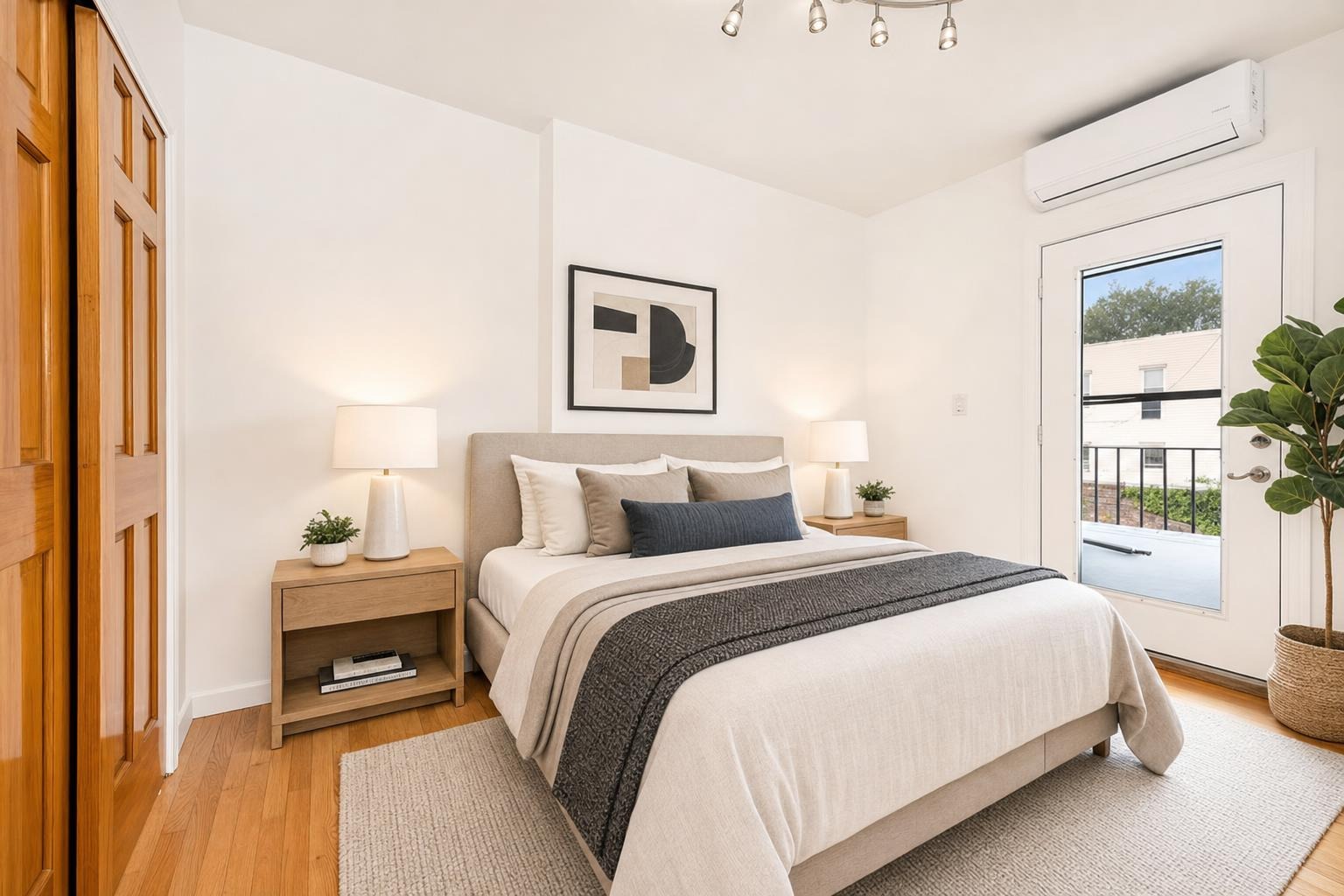
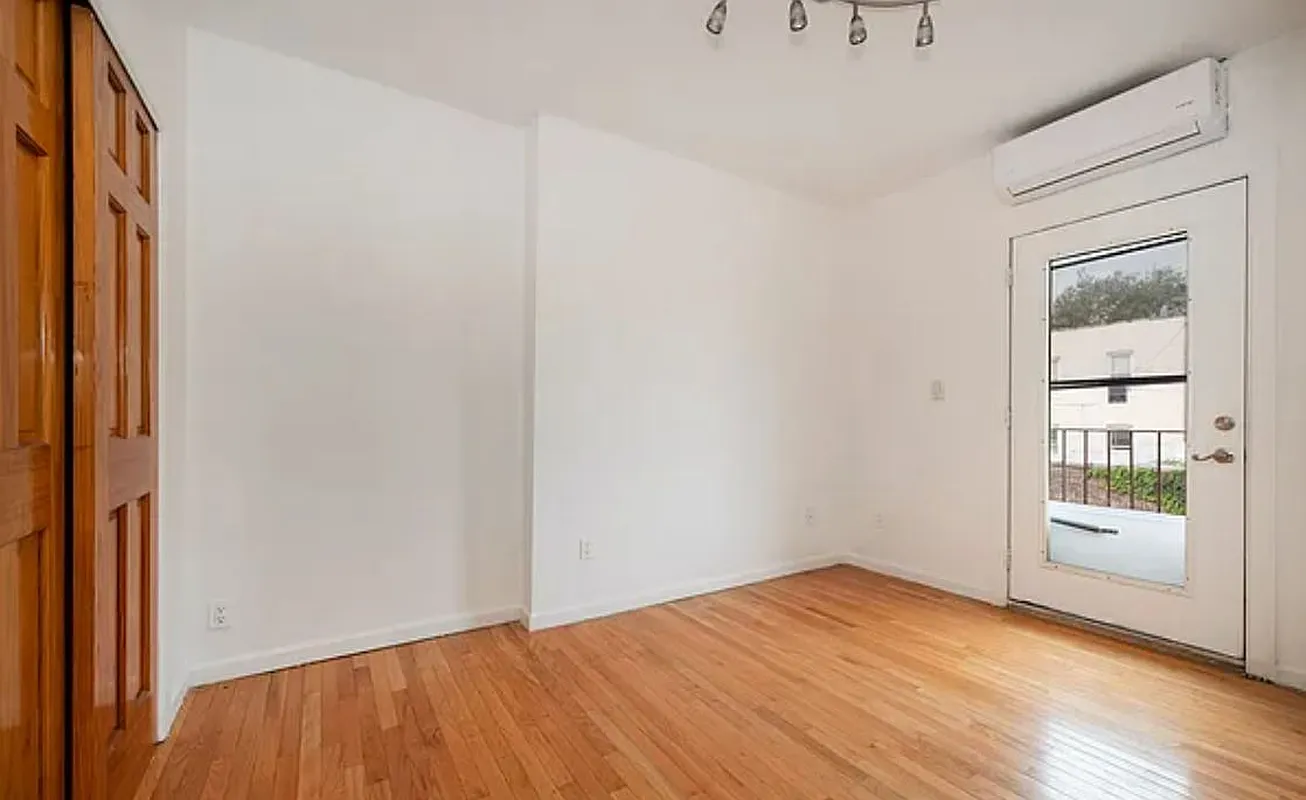 after · staged
before
after · staged
before
The short version
The disclosure rules were written for the MLS but the photo ends up on Instagram. The underlying rule does not change: nobody should be misled about what is real. Label the image itself, because the caption does not survive a screenshot, and never edit out a real defect anywhere.
Virtual staging disclosure is a well-covered subject when the photo is going on the MLS. Label the image, note it in the remarks, keep the original available. The rules are clear enough, and we've written them up in is virtual staging legal and the 2026 disclosure rules.
Almost nobody talks about the other half. That same staged photo goes on Instagram, TikTok, Facebook, and into a text thread with a buyer — and on those surfaces there are no MLS remarks, no photo caption field, no compliance officer. The photo is on its own. It gets screenshotted, reposted, saved to somebody's dream-home folder, and shown to a spouse who has no idea it came from a listing.
This is a practical guide, not legal advice. Rules vary by state and by MLS — confirm your local board's exact policy before you publish.
The rule is the same rule
Everything the MLS asks you to do rests on one idea: a person should never be misled about what's real in the home and what was added digitally. That idea does not stop at the portal boundary. A buyer who fell for a house on Instagram and drives to a showing to find an empty room feels exactly as deceived as one who found it on Zillow. And the licensing rules that govern your advertising apply to your advertising — which includes your social accounts.
So don't think of it as "does the MLS require this on TikTok." Think of it as: this is a photo of a house I'm selling, with furniture in it that doesn't exist, going in front of the public. Of course it says so.
The three places disclosure can live
- On the image. A small "Virtually Staged" badge burned into the photo itself. This is the one that matters most on social, because it's the only one that survives a screenshot, a repost, or a scrape onto a page you've never heard of. The caption stays behind; the pixels travel.
- In the caption. One plain line. "Virtually staged — the furniture isn't included." Near the end, not buried under forty hashtags.
- In the post itself. Show the before. A reveal reel that starts on the empty room and transitions to the staged version is a disclosure — the viewer sees exactly what's real and what was added, in sequence, with no ambiguity. It also happens to be the best-performing format on the platform. See turning one photo into a before/after reel.
Do the first one always. Do the second one always. The third one is where the strategy and the ethics stop fighting each other.
The badge is automatic. Stylst stamps it for you.
Stylst puts a disclosure badge onto staged and renovation-preview output — including the reveal reel and the project reel, not just the still — so the label rides along with the photo everywhere it gets shared. You don't have to remember to add it, and it doesn't disappear the moment somebody screenshots your story.
Not everything needs a label
Disclosure scales with what you changed. Getting this right matters, because over-labeling honest work trains people to ignore the label on the work that needs it:
- Stage — furniture added that isn't in the house. Disclose.
- Renovation Preview — a kitchen that does not currently exist. Disclose, loudly. Call it a concept, not a photo. See AI renovation preview.
- Enhance — a real room, brightened and color-corrected. Nothing added or removed. No disclosure needed. This is a photo edit, the same as every listing photo has had for twenty years. Real estate photo editing basics.
- Declutter — clutter removed, the real furniture kept. No staging disclosure, though it's worth being casual about it in the caption because it's a genuinely likeable thing to admit.
- Day-to-Dusk — the sky changed, the house didn't. Most agents note it in passing. Day-to-dusk photo conversion.
The line you must not cross, anywhere
Never edit out a real defect. Not a water stain, not a crack, not a missing appliance, not a power line through the view. Adding a sofa to an empty room is staging. Removing a stain from a ceiling is misrepresentation, and it's misrepresentation on Instagram exactly as much as it is on the MLS. Every disclosure rule that exists was written because someone did that.
Honesty is not a tax — it's the post
Agents worry a "virtually staged" line undercuts the photo. It does the opposite, for a reason that's obvious once you say it out loud: your audience already assumes the photo was worked on. Everybody knows what a phone camera produces and what an Instagram-worthy living room produces, and it isn't the same thing. The label doesn't reveal a secret. It resolves a suspicion, and that reads as confidence.
Then there's the mechanical part. The disclosed version of the post — the before next to the after — outperforms the polished after on its own. Contrast is the engagement. Hiding the before to protect the illusion means throwing away the half of the post that actually gets watched. See what to post on Reels when all you have is photos, and put the honest line in the caption while you're there: captions for listing and reveal posts.
Hosts and contractors: same principle, different penalty
If you're a short-term rental host, an inaccurate photo isn't just an ethics problem — it's a refund, a bad review, and a platform penalty. Airbnb and VRBO care a great deal about whether the guest walks into the space they booked. Use Enhance and Declutter freely on a real, furnished unit; be careful with Stage on a unit that isn't furnished that way yet, and say so. Airbnb listing photos and the hosts page go deeper. Contractors posting a finished job face the same rule — the furniture in the "after" isn't part of the work, and one clause in the caption fixes it. Renovation photos for contractors.
Where Stylst lands
Stylst stages a phone photo for about a dollar, in about 30 seconds, and stamps the disclosure badge onto staged and renovation output automatically — on the still, on the reveal reel, and on the project reel. Add one line to your caption and you're clean on every surface. Stage a photo.
The bottom line
The disclosure question on social isn't really a compliance question — it's a question about whether your marketing can survive being true. It can. Label the image, say it in the caption, show the before, and never edit away a defect. The honest post is also the better post, which is the rare case where doing the right thing requires no discipline at all.
Questions people actually ask
Do I have to disclose virtual staging on Instagram?
The MLS rules do not reach Instagram, but the principle does, and so do general advertising standards about misleading claims. A staged photo posted without a label is a photo of furniture that is not in the house shown to people who might buy it. Label it, and put the label on the image rather than only in the caption.
Where should the disclosure go on a social post?
On the image first, because that is the part that survives being screenshotted, reshared or scraped away from your text. Then in the caption as well. A badge burned into the photo travels with the photo, which is exactly what a caption cannot do once the image leaves your post.
Does disclosing staging hurt engagement?
In practice it does not, and the worry is usually backwards. A visible label reads as confidence rather than apology, and the before and after transformation is itself the most engaging version of the post. What actually damages you is a buyer discovering the gap between the photo and the house at the showing.
Sources
- NAR Code of Ethics, Article 12 — REALTORS shall be honest and truthful in their real estate communications and present a true picture in their advertising and marketing.