Staging Photos for House Flips and Investors
Tight timelines, empty rooms, thin margins. Virtual staging is built for the way investors sell.
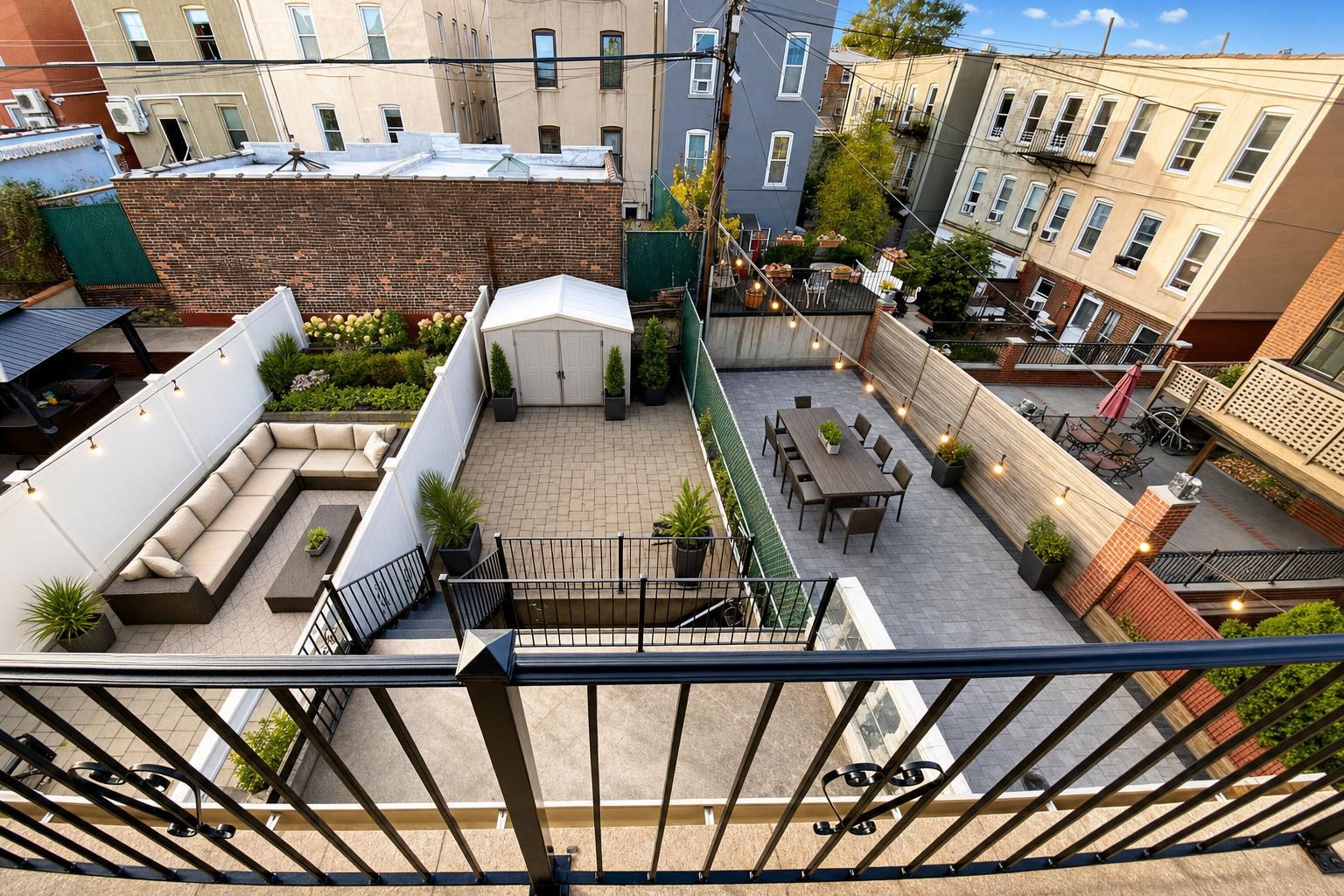
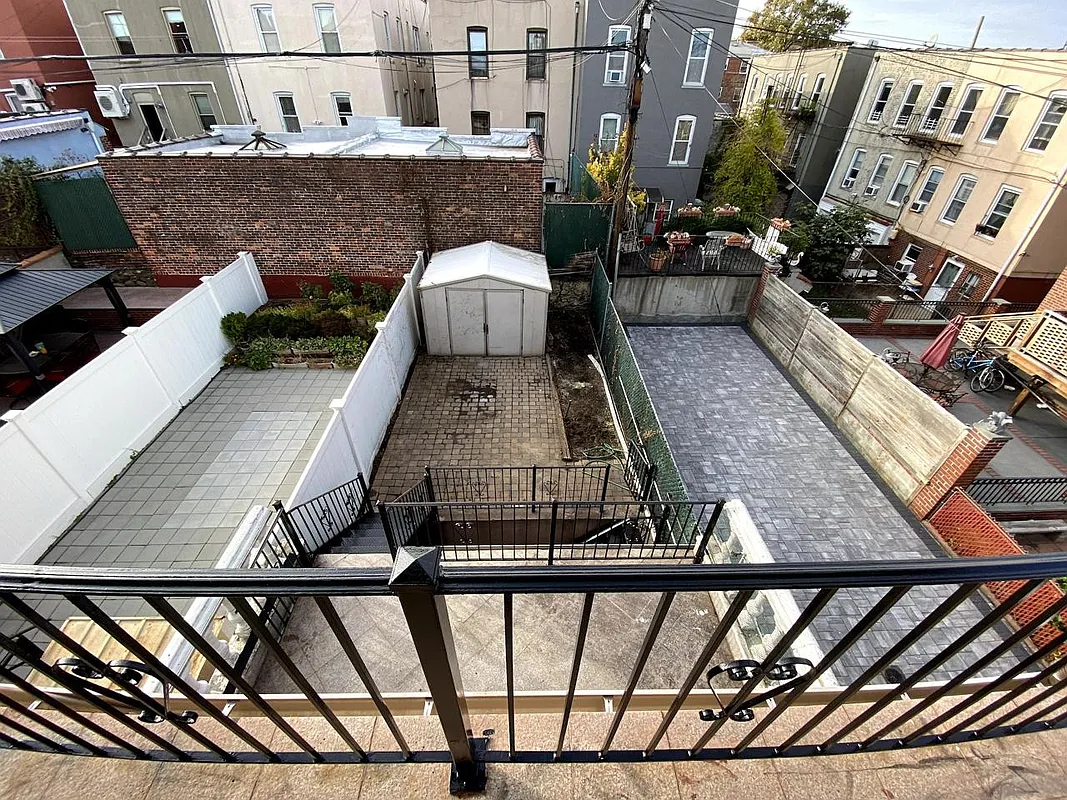 after · staged
before
after · staged
before
The short version
Tight timelines, empty rooms and thin margins are exactly the conditions virtual staging suits. Physical staging a flip means two to five thousand dollars of rented furniture carried across a multi-month listing. Stage the rooms that actually move the deal, disclose it, and protect the reputation you sell against repeatedly.
House flippers and investors sell differently than ordinary homeowners. The property is almost always vacant, the timeline is tight, every holding day costs money, and the margins are calculated to the dollar. That combination is exactly where virtual staging shines — it solves the empty-room problem without the cost, delay, or logistics of physical staging. If you flip or hold and sell, here's why staged photos belong in your playbook and how to use them without eating your margin.
The vacant-room problem
A freshly renovated flip photographs beautifully in some ways — new floors, fresh paint, updated fixtures — but the rooms are empty, and empty rooms work against you:
- Buyers can't judge scale. Without furniture for reference, they can't tell if their sofa or bed fits.
- Empty rooms photograph cold. All that new work reads as sterile and forgettable instead of like a home.
- Renovation details get lost. The nice work you paid for doesn't land when there's nothing to give the room life and context.
The fix is staging — and our guide to staging an empty house for photos covers the general approach. For investors, the virtual route is almost always the right call.
Why physical staging rarely pencils for flips
Physical staging a flip means renting furniture for $2,000–$5,000+ over a multi-month listing, scheduling installation and removal, and carrying that cost while the home sits. On a deal with carefully managed margins, that's a meaningful hit — and it has to come out before the home even sells. Virtual staging does the same job for a few dollars a photo with no install, no rental period, and no removal. The full cost comparison is in virtual staging cost.
Speed protects the margin.
For an investor, the enemy is holding cost — every extra week on market is mortgage, taxes, and insurance out of your profit. Since staged listings tend to sell faster, a few dollars of staging that shaves days off the timeline can pay for itself many times over.
Stage the rooms that move the deal
You don't need to stage every photo of the flip — concentrate on the rooms that drive the decision and showcase your renovation:
- The living room — the lifestyle shot and usually the first interior buyers see.
- The primary bedroom — warm it up so it reads as a retreat, not a blank box.
- The renovated kitchen — light staging lets the new finishes shine in context.
- Any ambiguous bonus room — stage it as the office or flex space buyers are searching for.
Keep a consistent style across the set so the listing reads cohesive, the same way an agent would; the approach in virtual staging for agents applies directly to investors who sell regularly.
Disclose it — and protect your reputation
Investors who sell repeatedly have a reputation to protect, so disclosure isn't just compliance, it's good business. Label staged photos "virtually staged" and note it in the remarks, per your MLS's rules. Never use staging to disguise unfinished work or hide a defect — show the real, completed renovation and use staging only to bring empty rooms to life. The rules are in is virtual staging legal?.
Holding instead of selling? Same idea.
If your model is buy-and-hold rather than flip, staged photos help you lease faster too — empty units sit on rental sites the same way empty homes sit on the MLS. We cover that angle in virtual staging for rentals and Airbnb.
Where Stylst lands
Stylst fits the investor model: no account, no subscription, pay-as-you-go credit packs you spend across deals, batch staging for multiple rooms, and a staged photo back in about 30 seconds for around a dollar. It keeps your real renovation — the floors, fixtures, and finishes you paid for — and just adds the furniture and warmth. It's on Google Play. Run your next flip's photos through it — stage a photo to see the output.
The bottom line
For flippers and investors, virtual staging is almost a perfect fit: it cures the cold, empty-room problem of a vacant property, costs a rounding error against your rehab budget, adds no time to a deadline-driven timeline, and can help the home sell faster. Stage the hero rooms, keep the style consistent, disclose it cleanly, and let the photos show buyers the home you actually built.
Questions people actually ask
Why does physical staging rarely work for a flip?
The carrying cost. Renting furniture for a flip typically runs a few thousand dollars across a multi-month listing, plus scheduling installation and removal, and that cost accrues while the home sits. On a thin-margin deal it can be the difference between a profit and a wash, which is why most flips list empty.
Which rooms should an investor stage?
The ones that drive the decision and showcase the renovation, which usually means the main living space, the kitchen and the primary bedroom. You do not need every photo staged. Concentrate the effort where the buyer decides and where your rehab spend is most visible.
Why does disclosure matter more for repeat investors?
Because you are selling into the same market again next quarter. An agent or buyer who felt misled by a staged photo remembers who the seller was, and reputation is the asset a repeat flipper actually trades on. Disclosure here is not just compliance, it is protecting the next five deals.