Virtual Staging for Photographers: How to Price It as an Add-On
Agents are already asking for it. Here’s how photographers turn virtual staging into a line item instead of losing it to an app.
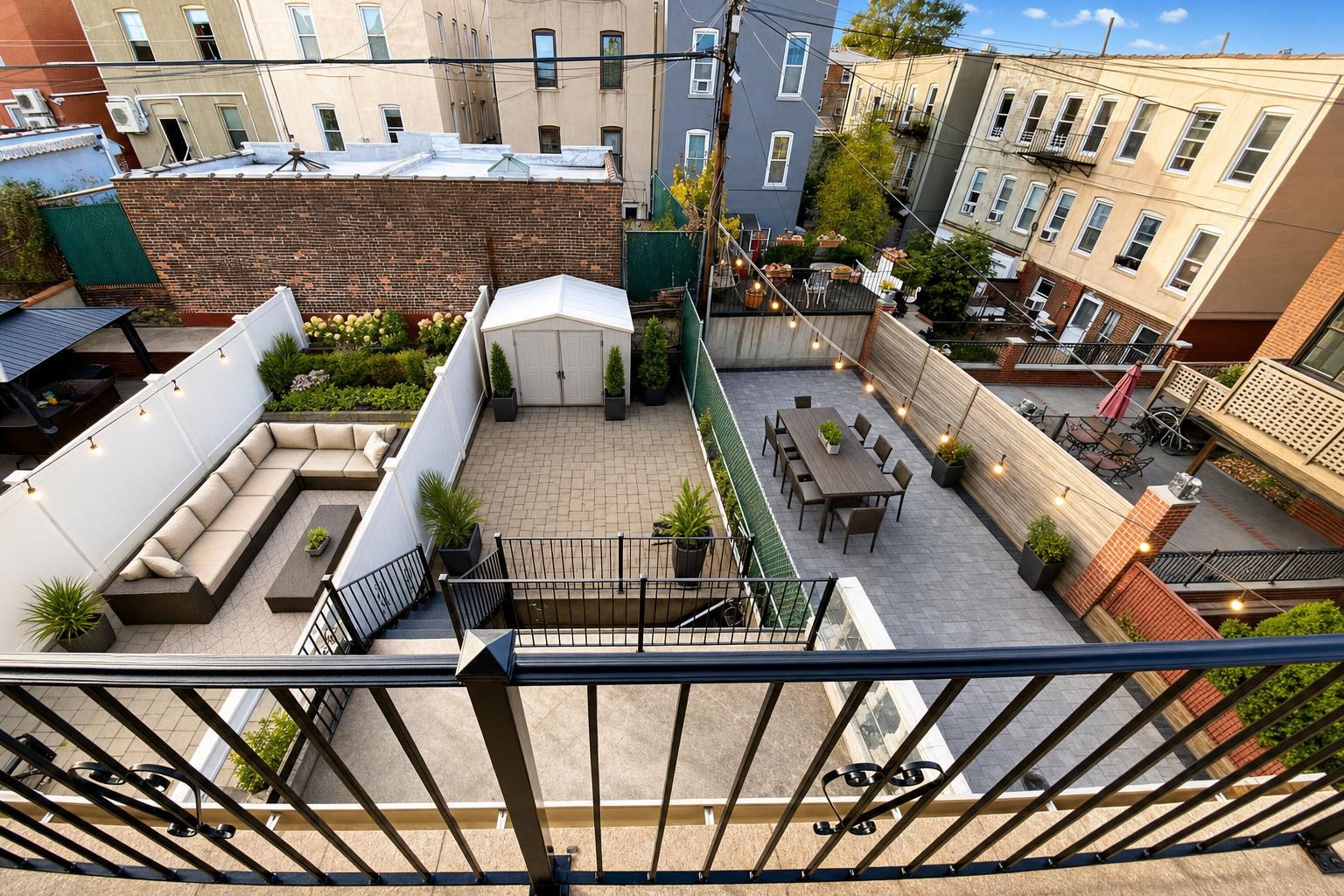
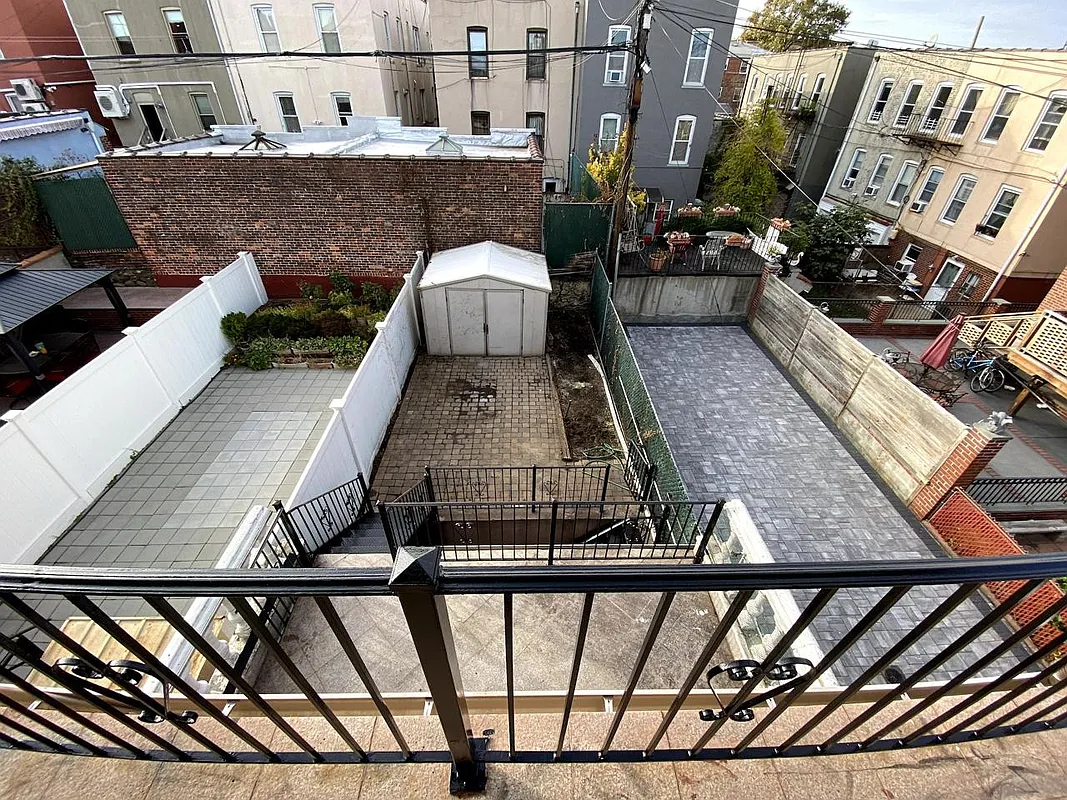 after · staged
before
after · staged
before
The short version
Agents are already asking for virtual staging, and if you do not offer it they buy it elsewhere. Traditional vendors charged photographers thirty to seventy-five dollars a staged photo while the underlying cost is a fraction of that, which makes it a genuine line item rather than a favour.
Agents don't need to ask a photography studio to stage a photo anymore — there's an app for a dollar that does it themselves, on their own phone, without waiting on a studio's turnaround. That's either a threat to a photographer's staging upsell or an opportunity, depending on whether the studio adapts. Photographers who build virtual staging into their own delivery keep the full job and the margin on it; photographers who ignore it just lose that line item to an app.
What agents actually want
Not a slower or pricier version of what they could do themselves. An agent will pay a studio for staging only if it's delivered as part of the same package they're already buying — same invoice, same turnaround, no extra app to learn. The value a studio adds isn't access to staging technology anymore; it's judgment, consistency, and one less thing for the agent to manage.
Pricing it as a real line item
Start with a repeatable formula: client price = approved-image cost + review and delivery labor + revision reserve + overhead allocation + target profit. Separate the software or vendor charge from your client price. Your client is paying for selection, consistency, quality control, file organization, and a clean handoff, not a marked-up button click.
State how many staged photos and revision rounds are included, what counts as a new creative direction, and whether rush work changes the rate. Benchmark that calculated price against local photographers and direct-to-agent options, then adjust the scope before cutting the margin. Use the worksheet in how to price real estate photography; the wider cost landscape is in virtual staging cost.
Folding it into the existing workflow
Treat staging as another post-production step alongside HDR blending and basic edits — shoot the vacant or cluttered room as usual, then run the flagged photos through staging as part of the same delivery batch. Real estate photo editing basics and HDR real estate photography explained cover the editing steps this slots in next to.
Quality control is the actual service.
A studio's edge over a client doing it themselves is catching a bad result before it ships — warped furniture, a rug that clips through a wall, lighting that doesn't match the room. AI virtual staging: how it works covers the tells of a result that isn't good enough to deliver.
Disclosure stays the agent's responsibility
Before delivery, compare every staged image with its original. Check permanent features, perspective, furniture scale, shadows, reflections, clipping, and consistency across the listing. Deliver clearly named original and staged files, identify the images that were altered, and include a disclosure note the agent can carry into the MLS or portal workflow.
Labeling a staged photo correctly on the MLS is the listing agent's compliance obligation, not the photographer's — but flagging which photos were staged in your delivery notes makes it easy for the agent to do their part correctly. See is virtual staging legal? for the rules your agents need to follow.
Where Stylst lands
Pay-as-you-go pricing means a studio can test staging against a single client's job before committing to a subscription or vendor contract — no minimum, no monthly fee. Stage a photo to see the output before you price your own add-on.
The bottom line
Virtual staging stopped being a specialized service the moment it became a phone app. Photographers who fold it into their own delivery — priced fairly, quality-checked, done in the same turnaround — keep the job and the margin. Photographers who don't will watch agents do it themselves.
Questions people actually ask
Should real estate photographers offer virtual staging?
If your agents are asking for it, yes, because the alternative is that they source it themselves and you lose the line item along with control over how the finished set looks. It also folds naturally into a workflow you already run, alongside HDR blending and your standard edits.
How should a photographer price virtual staging?
As a real line item rather than a courtesy. Studios have historically charged thirty to seventy-five dollars per staged photo through traditional vendors, and agents are used to that range. The margin is genuinely good now that the underlying cost is a fraction of what it was, which is the opportunity.
Who is responsible for disclosing staged photos?
The listing agent, since MLS compliance sits with whoever publishes the listing. That said, flagging which photos were staged in your delivery notes is worth doing every time. It costs you nothing, it protects the agent, and it protects you from being the person who supplied an unlabelled image.