Virtual Staging for Property Managers: Fill Vacant Units Faster
Every vacant day is lost rent. Staged photos get a turnover unit leased faster.
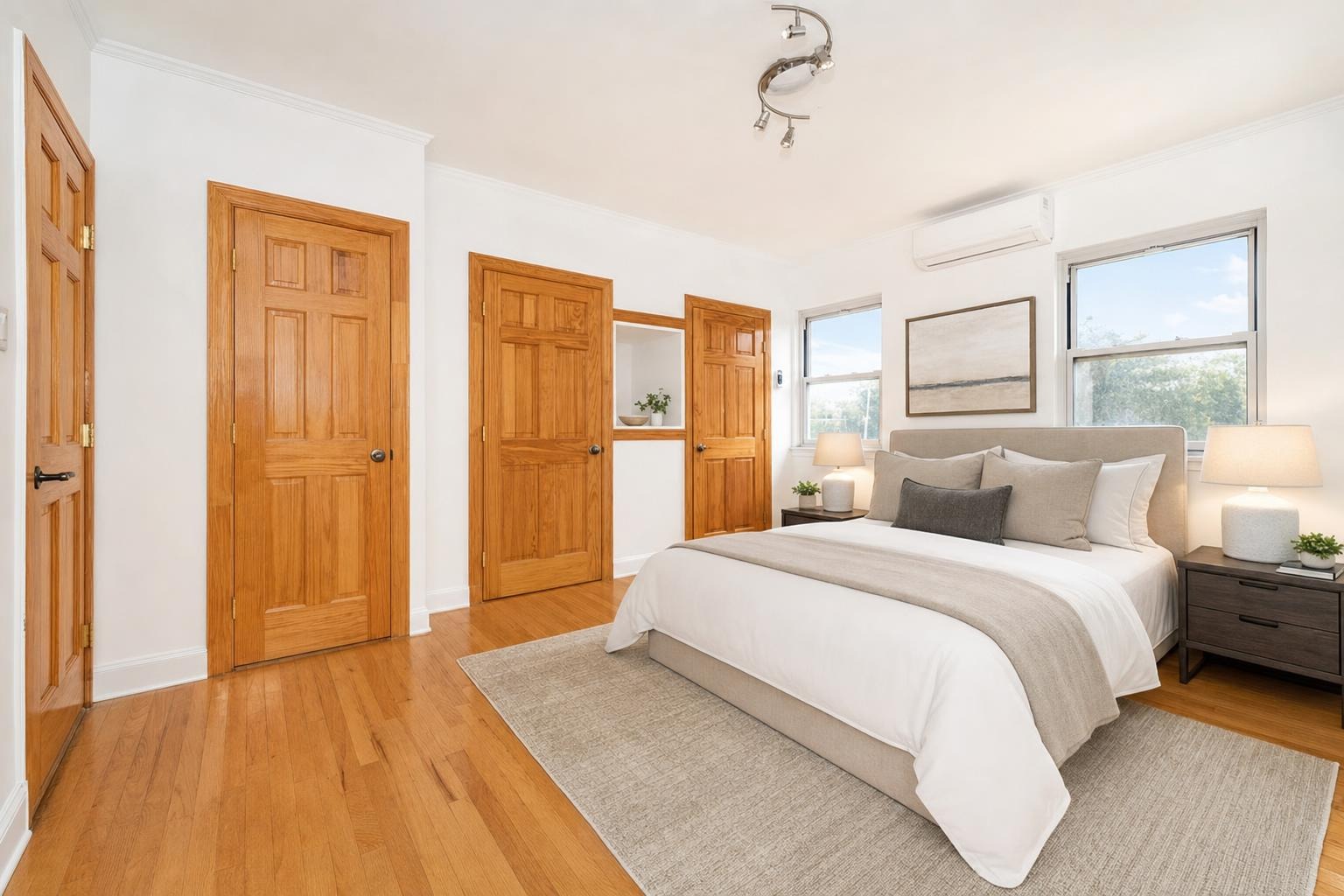
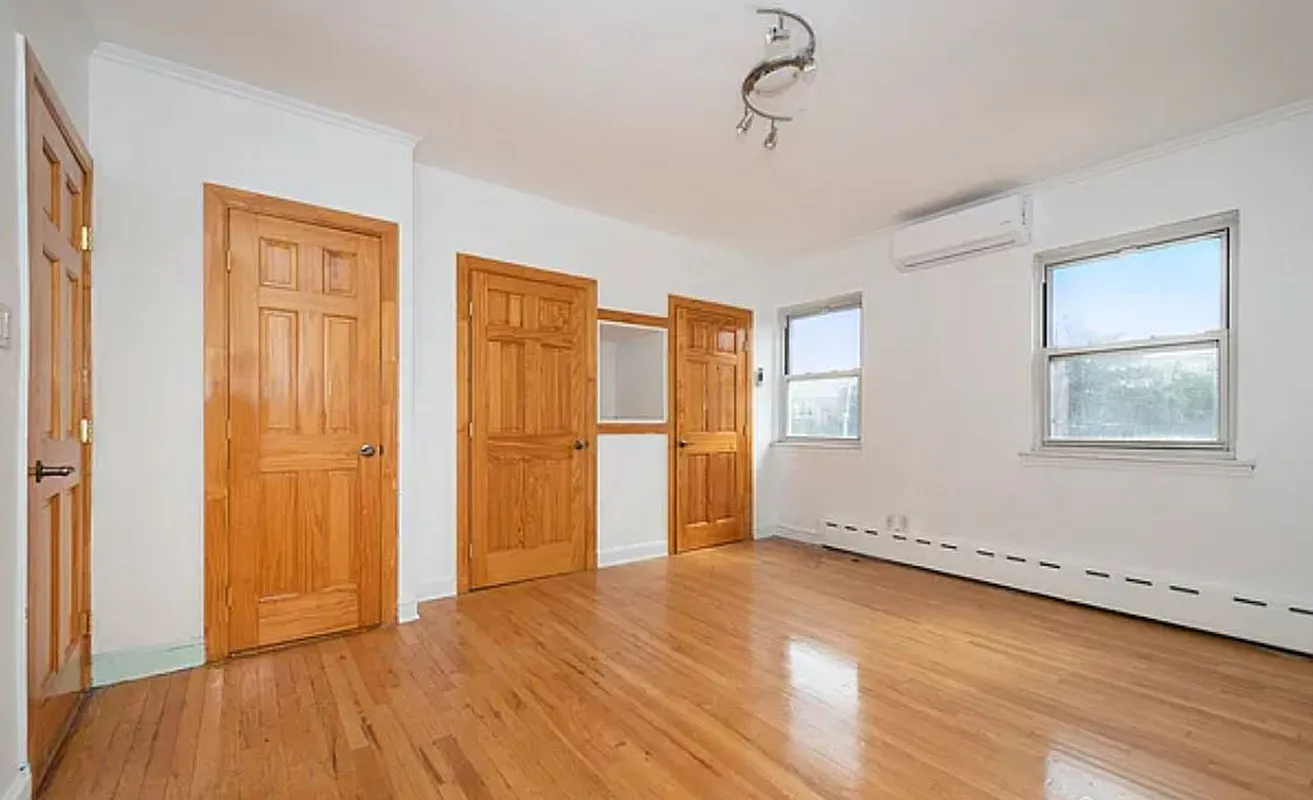 after · staged
before
after · staged
before
The short version
Every vacant day is lost rent, and the listing photo usually decides how long the vacancy lasts. Physical staging does not scale across a portfolio turning units continuously, while staged photos do, and consistency matters because prospects compare several units from the same manager side by side.
For a property manager, a vacant unit is a daily cost, not a line item — every day it sits unrented is a day of lost rent against the owner's return, and the clock starts the moment the last tenant hands back the keys. Marketing photos are the first thing that determines how long that clock runs, and a turnover unit photographed empty and unstyled almost always takes longer to lease than one that photographs like a home.
The vacancy math
Empty units have exactly the same photo problem as a vacant home for sale: buyers (or renters, in this case) can't judge scale, the room photographs cold, and a prospect scrolling listings moves right past it. The fix is the same one covered in how to stage an empty house for photos — add furniture back into the frame so the room reads as livable, without moving a single piece of furniture into the actual unit.
Physical staging doesn't scale across a portfolio
Renting furniture for one listing is a stretch; renting it for every unit turning over across a 40-, 100-, or 500-door portfolio is not realistic. Physical staging assumes a single listing with weeks of lead time — property management runs on a much tighter, more constant turnover cycle. The cost and time comparison in virtual staging vs. traditional staging and virtual staging cost makes the case: at portfolio scale, only the AI version's unit economics work.
Batch it the way turnovers actually happen.
Turnovers rarely happen one at a time — move-outs cluster around lease-end dates. A batch staging flow that handles several units' photos in one pass keeps the leasing team from falling behind during the busy stretch.
Consistency across the portfolio
Prospective tenants often compare several units from the same management company side by side. Keeping a consistent staging style across every listing — not a different look on every unit — makes the portfolio read as professionally managed rather than thrown together. Interior design styles for listing photos covers picking one or two styles and sticking with them.
Where the photos actually go
Rental listings live on the property's own site, Zillow Rentals, Apartments.com, and whatever syndication feed the management software pushes to. The same rules that make a for-sale listing photo work apply to a rental listing — cover photo first, logical room order, no dark or empty-looking shots. See Zillow listing photo tips for the specifics.
Disclose it, same as a sale listing
Even outside MLS rules, it's good practice to label a staged rental photo as virtually staged in the listing description — a prospective tenant who tours the unit and finds it unfurnished shouldn't feel misled. The disclosure norms in is virtual staging legal? apply just as well to a rental listing as a for-sale one.
Where Stylst lands
Stylst is pay-as-you-go — no subscription commitment for a management company whose vacancy volume swings month to month. Stage a turnover unit for about a dollar a photo, in about 30 seconds, right from the leasing agent's phone during the move-out walkthrough. It's on Google Play.
The bottom line
Every day a unit sits vacant costs the owner real money, and the listing photo is usually what decides how long that vacancy lasts. Stage the turnover unit before it ever goes live, keep the style consistent across the portfolio, disclose it in the listing, and let the photos do the work of shortening days-on-market.
Questions people actually ask
Does staging help lease vacant units faster?
It addresses the reason empty units sit. A prospect scrolling rental listings cannot judge scale from bare walls and an unfurnished room photographs cold, so the unit gets passed over for one that looks livable. Staging fixes the online half of that, which is where the filtering happens.
Why does physical staging not work for a rental portfolio?
Volume. Renting furniture for one listing is a stretch. Doing it for every unit turning over across a forty, hundred or five-hundred door portfolio is not realistic on cost, logistics or timing, and the units turn continuously rather than one at a time.
Should staged rental photos be disclosed?
Yes, even outside MLS rules. Label it in the listing description, because a prospect who tours the unit expecting furniture and finds it empty is annoyed at you specifically, and that is a leasing problem before it is ever a compliance one.