Selling in a Buyer's Market? Your Listing Photos Matter More in 2026
Inventory is up, homes are competing for attention, and buyers can afford to be picky. The listing with better photos wins the click — every time.
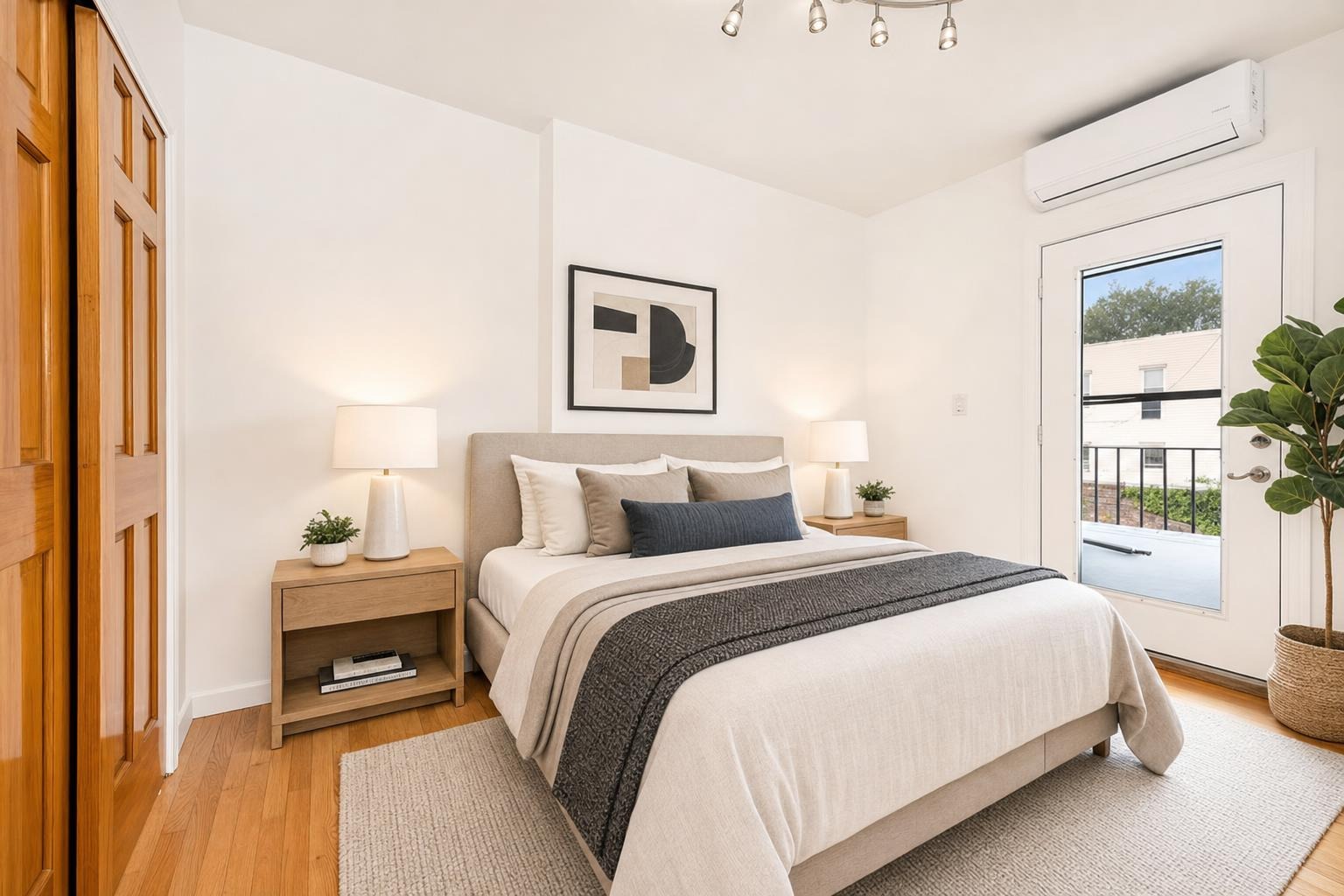
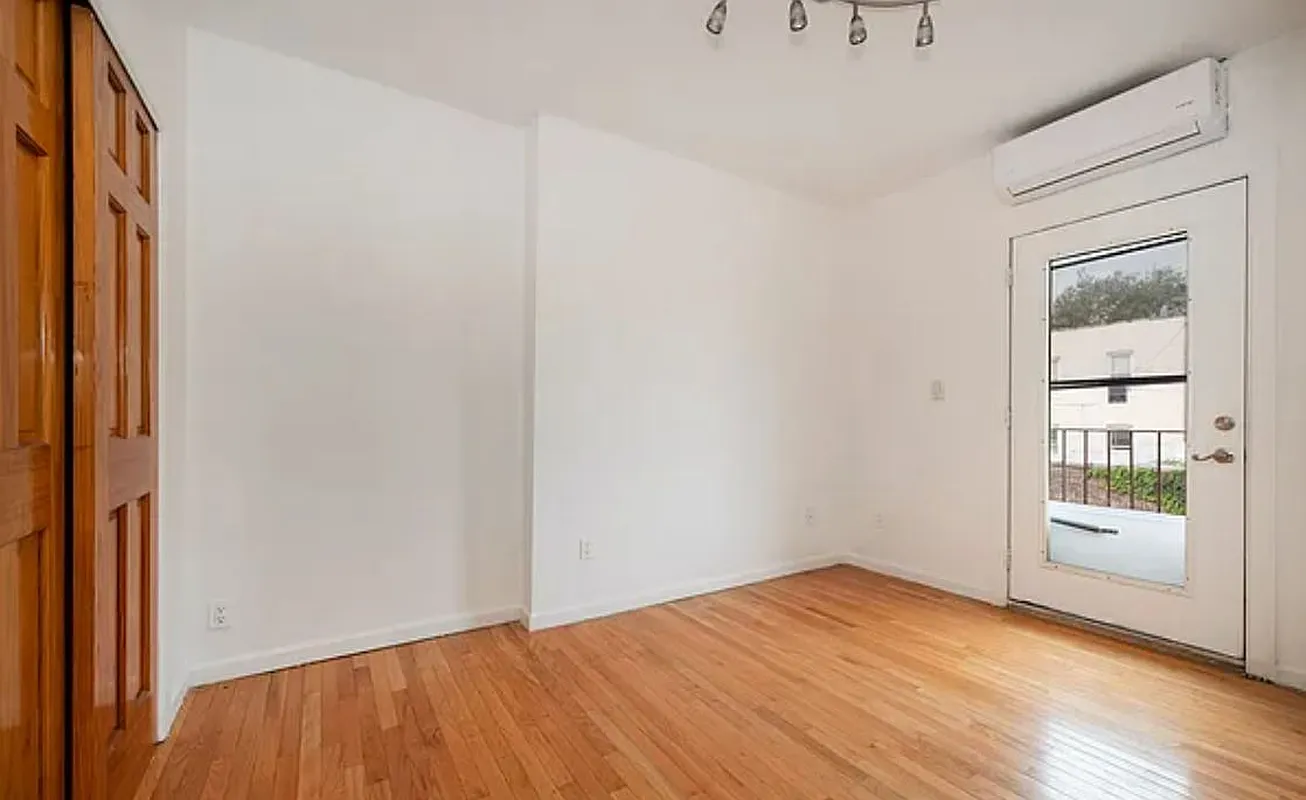 after · staged
before
after · staged
before
The short version
When homes were scarce photos were a formality. With inventory up and buyers able to be picky, photos are the filter. Pull up your comps and look at them the way a buyer does, as a grid of thumbnails, and the honest question is whether yours is the one that earns the click.
The 2026 market shifted. After years of scarcity, inventory has climbed — active listings are running meaningfully above year-ago levels — and a lot of metros that were firmly seller's territory have tipped to balanced, with some leaning buyer-favored. Prices are cooling slowly rather than crashing, demand is steady, and the practical result for sellers is simple: your listing is no longer the only game in town. Buyers are scrolling past more options than they've had in years, and they decide which homes to even consider from a grid of thumbnails.
When homes were scarce, photos were a formality. Now they're the filter.
In a frenzied seller's market, a home could sell with phone snapshots because there was nothing else to buy. That cushion is gone. When a buyer has a dozen comparable homes open in tabs, the cover photo is the first cut — the listings that photograph badly simply don't get clicked, and a listing that doesn't get clicked doesn't get shown. In a balanced or buyer's market, photo quality stops being cosmetic and becomes the thing that decides whether your home is in the running at all.
The competition is your comps, shot for shot
Pull up the other listings in your price band and look at them the way a buyer will: side by side, as thumbnails. If three of your five competitors have bright, staged, professionally finished photos and yours are dim and empty, you've lost before anyone reads the description. Matching or beating your comps on photos is the cheapest competitive move you have — far cheaper than the price cut that a stale listing eventually forces. See do staged listings sell faster for the days-on-market and price numbers behind that.
A price cut is what bad photos cost you later.
Listings that sit get re-priced, and every reduction is money off your bottom line. A few dollars per photo to make the listing compelling on day one is a rounding error against a $10,000 price drop three weeks in. Fix the photos before you touch the price.
What "better photos" actually means in a crowded market
- A cover shot that stops the scroll. Your thumbnail is doing the entire job of getting the click. Lead with your strongest, brightest, most aspirational image — often a staged living space or a dusk exterior. See Zillow listing photo tips for cover-shot and ordering rules.
- Every room furnished and warm. Empty rooms read as cold and hard to picture living in. Staging fills them so buyers see a home, not a floor plan.
- No obvious mistakes. Dark rooms, crooked verticals, blown windows, clutter in frame — each one is a reason to scroll past. See 9 real estate photography mistakes.
- Enough photos to tell the whole story. In a buyer's market, thin galleries feel like you're hiding something. See how many photos a listing should have.
You don't need a bigger budget — you need better photos, faster
The reflex is to assume "better photos" means hiring a photographer and a stager and spending hundreds per room. In 2026 it doesn't. A phone photo, brightened, decluttered, and virtually staged for about a dollar, competes directly with the studio-staged listing next door — at a fraction of the cost and none of the scheduling delay. When margins are tighter and homes take a little longer to move, that cost difference matters. The breakdown is in virtual staging vs. traditional staging and virtual staging cost.
Move on the timing, too
A balanced market still has a summer demand peak — buyers are most active now and taper into winter. That makes strong photos and speed a combination: get a compelling listing live while buyers are out, rather than a weak one that lingers into the slower months and forces a reduction. The workflow to shoot and list the same day is the same one agents use every week — see virtual staging for real estate agents.
Where Stylst lands
Stylst turns your phone photos into bright, staged, competitive listing images for about a dollar each, in about 30 seconds, with no account or subscription. In a market where buyers have choices, it's the cheapest way to make sure your home is one of the ones they click. Stage a photo before the listing goes live.
The bottom line
The market handed leverage back to buyers in 2026, and buyers spend it on the listings that look best in the grid. You can't control inventory or rates, but you fully control your photos — and right now that's the highest-leverage, lowest-cost move you have to sell faster and protect your price.
Questions people actually ask
Do listing photos matter more in a buyer's market?
Substantially more. In a scarce market a home sold on phone snapshots because there was nothing else to buy. When inventory rises, buyers filter, and the filtering happens on a grid of thumbnails before anyone reads a description. Photos stop being documentation and become the competitive surface.
How do I know if my listing photos are competitive?
Pull up every other listing in your price band and look at them the way a buyer will, side by side as thumbnails, with yours among them. It is uncomfortable and it is the only honest test. If your cover does not stand out in that grid, the price is not the first thing to change.
Does competing on photos mean spending more?
Not necessarily, and the reflex to assume it means hiring a photographer and a stager for hundreds per room is what stops most sellers from fixing anything. Better light, level framing, real decluttering and staging the empty rooms cover most of the gap for a fraction of that.