Entryway and Foyer Staging: The Photo Everyone Skips
The entry is the first thing a buyer physically walks into and the last thing an agent photographs. Here's how to shoot a narrow one, what to put in it, and the single setting that decides whether AI staging helps or humiliates you.
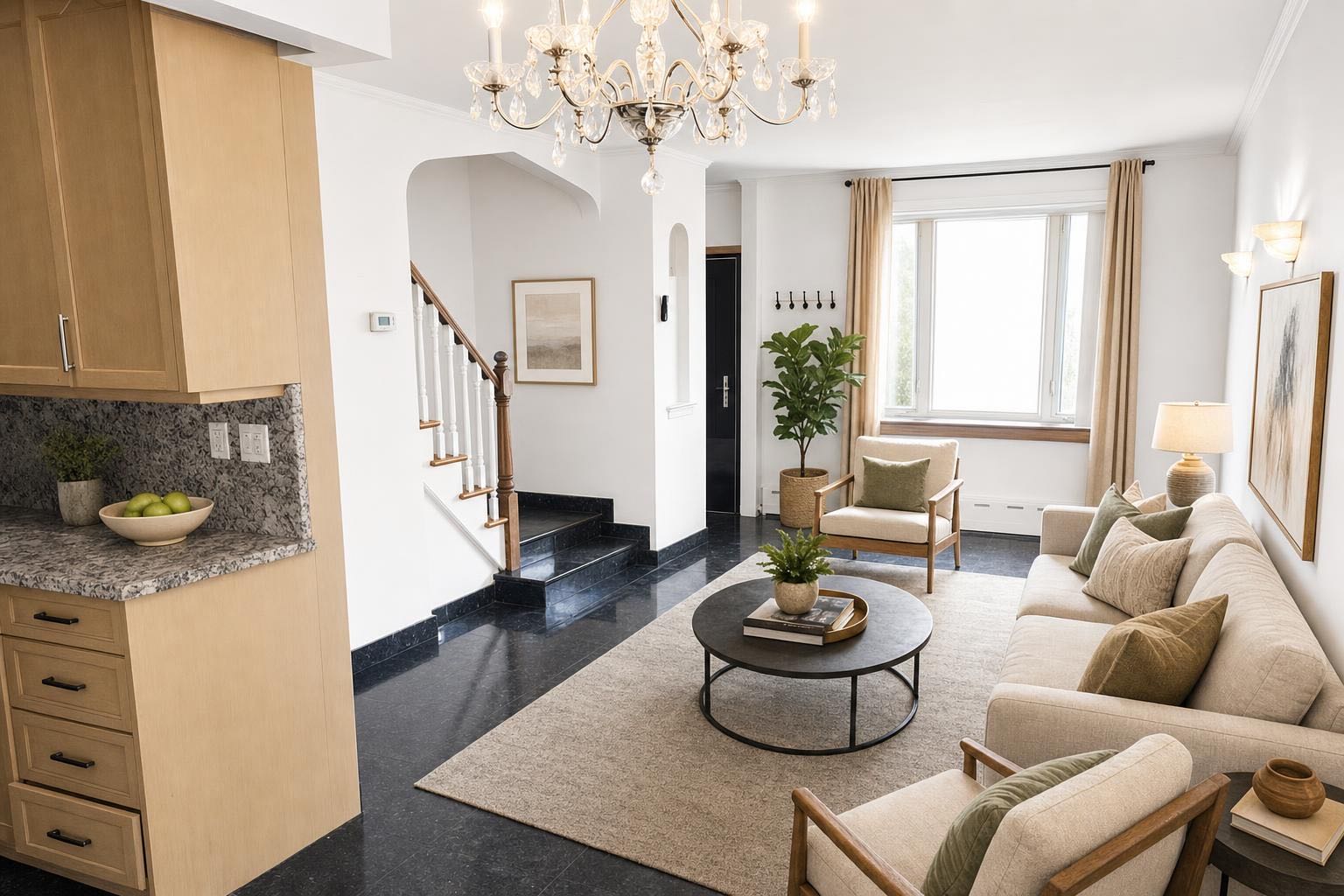
 after
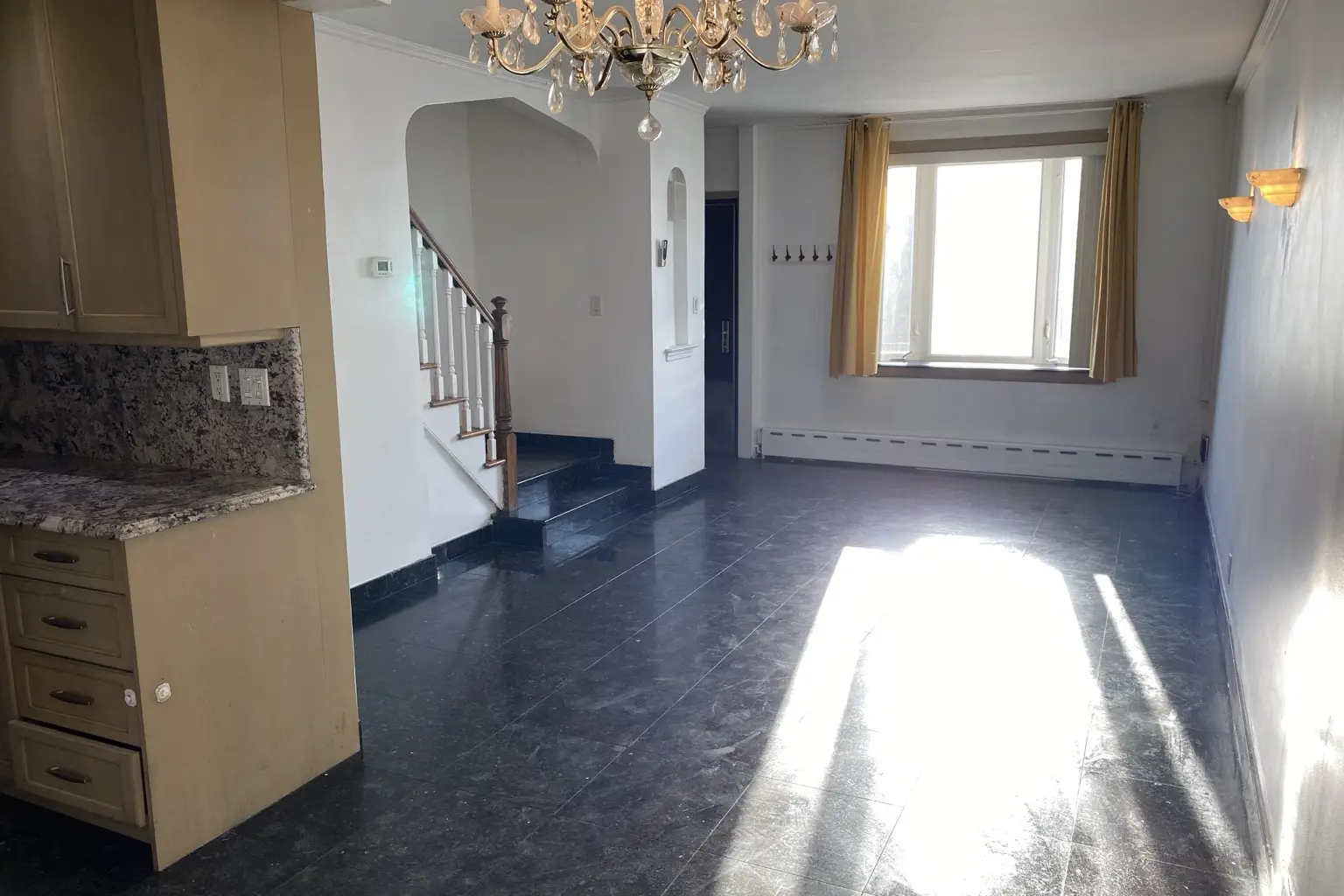
before
after
before
The short version
The entry is the first thing a buyer physically walks into and the last thing an agent photographs. It is a two-minute photo most of your competition does not take. Shoot it from the doorway of the adjacent room because you cannot back up, keep the staging to what proves the space works, and set the room type correctly.
A buyer's first ten seconds inside a house happen in a space almost nobody photographs. They come through the front door, and before they see the kitchen or the yard or the primary bedroom, they see a landing, a coat closet, maybe a staircase — and they start forming an opinion about whether this house has been looked after.
Then they go home, open the listing, and that space isn't in it.
Pull up any twenty-five-photo listing in your market. The entry is missing from roughly twenty-four of them. It gets skipped for understandable reasons: it's narrow, it's awkwardly lit, it's hard to frame, and you can't put a bedroom count on it. But skipped isn't the same as unimportant, and an entry photo is one of the cheapest additions you can make to a shot list that's already thirty frames long.
Why the entry earns a photo
Three reasons, in order of how much money they're worth.
It sets expectations for the entire walk-through. Everything after the front door is judged against the impression made at it. A tidy, intentional entry tells a buyer the rest of the house will be tidy and intentional, and they walk in a little more forgiving. A dark entry with a pile of shoes tells them to start looking for problems.
It's where care shows. Buyers can't assess a roof or a boiler from a photo, so they proxy. The entry is a proxy: it's the highest-traffic square footage in the house and the first place neglect turns up as scuffed paint and a wobbling handrail. When it photographs well, the house reads as maintained.
It orients the whole photo set. Someone scrolling twenty-five interior shots has no idea how the rooms connect. An entry frame that includes the staircase, or the opening into the living room, hands them a starting point — this is the door, that's where the stairs go, the living room is on the right. It makes the rest of the set legible instead of a pile of disconnected rooms.
How to shoot a narrow entry
Entries break the normal rules because you usually can't back up. Four things fix most of it.
- Shoot back into the space, not at the door. Stand in the doorway of the adjoining room, or just outside the entry looking in, so the camera has distance to work with. Standing inside the entry and shooting toward the front door produces a photo of a door.
- Never photograph the front door slab head-on. A flat rectangle of painted wood, centered, communicates nothing about the house. If the door is a feature — leaded glass, a real transom — catch it at an angle with some of the room around it.
- Include something with depth. A staircase, a hallway running away from the camera, the opening into the next room. Depth is what makes four feet of floor read as an entry instead of a closet. Flat walls at close range look like a storage unit.
- Watch the light coming through the door. An open front door on a bright day will blow out the top third of your frame and leave everything else in shadow. Shoot with it closed, turn on every fixture in the entry and the room behind it, and keep the camera level at about chest height — tilting up in a tight space stretches the ceiling and shrinks the floor.
The same discipline that saves small bathrooms saves entries: get the camera into a corner, keep the verticals vertical, and resist the urge to fix the space with an extreme wide angle. Making a small room look bigger is mostly composition and light, not lens. And before any of it, get the shoes, the mail, and the dog leash off the floor.
What belongs in a staged entry — and what doesn't
Entry staging has one job: show that the space works. Somewhere to drop keys, somewhere to hang a coat, somewhere to sit and pull off boots. That's the whole brief.
So the list is short, low, and against a wall. A slim console table or a bench. A runner. A mirror, which does real work in a narrow space. Hooks. One lamp, if there's a surface for it. A small piece of art at eye height. Nothing that projects more than about eighteen inches into the walking path.
What doesn't belong is anything that turns the entry into a room it isn't. No sofa. No dining table. No armchair-and-side-table conversation group in a space where two people can't pass each other. Overstaging an entry is the fastest way to get a buyer through the front door and immediately feel misled — the photo promised a room and reality delivered a hallway, and now they're suspicious of the other twenty-four photos too.
The test I use: could someone still walk through the staged space carrying two bags of groceries? If not, there's too much in it.
When the entry isn't really a room
Plenty of houses don't have a foyer. They have four feet of hardwood between the door and the living room, or in a condo, a coat closet and a light switch. Inventing a foyer there is a lie you get caught in at the first showing.
Two honest moves instead.
Shoot the entry as part of the room it opens into. This is the photo at the top of this article: a townhouse where the front door, the landing, the staircase and the living room are all one continuous space, so they're all in one frame. That's not a compromise, it's an accurate description of the floor plan — and it's a better photo than either half would have been alone. Stage it as the living room it functionally is, and let the door and stairs sit in the frame as context.
Or let the doorway edge do the work. In a condo or apartment where the entry is a hallway, include its opening at the edge of your living room shot. The buyer registers the transition without you dedicating a photo to a strip of floor.
The one setting that decides everything
Here's the product part, and it's the part agents get wrong most often.
In AI staging, room type is the most load-bearing choice you make. Style is taste — Modern or Coastal or Farmhouse changes the flavor. Room type changes what category of furniture is allowed into the frame at all. Get it wrong and no amount of style tuning saves you; a photo staged as the wrong room comes back confidently, competently wrong.
Entries are the hardest room in the house to detect automatically. From a single photo, a foyer looks like a hallway, or like the near edge of a living room, or like a landing. That ambiguity is exactly why Stylst detects the room type for most photos but deliberately leaves Entrance / Foyer off the guessing list — a confidently wrong label is worse than being asked. You pick it yourself, once, on the review screen before you spend anything.
Leave a four-foot entry set to Living room and the tool will do precisely what you asked: put a sofa in a four-foot entry. It'll be a nice sofa. It will also be the reason a buyer stops trusting your listing.
Two more settings worth knowing. If the entry is already furnished and just photographs dark, use Enhance rather than Stage — it's a professional edit of brightness, color and perspective with nothing added or removed, so the seller's own console table survives. And if you've got a standing preference, save it once as a photo rule (mine is no fake plants) and it applies to every photo after that, per room, without retyping.
One non-negotiable: virtual staging gets disclosed, every time, everywhere the photo appears. The disclosure rules are not complicated, and the entry is not the place to start bending them.
Questions people actually ask
Does a listing need a photo of the entryway?
Most listings skip it, and most listings should not. The entry is the first thing a buyer physically walks into, and it is where they decide whether the house has been looked after. One photo of the entry also orients the whole set, because it shows how the front door relates to the stairs, the hallway or the living room. If the entry is genuinely four feet of floor, shoot it as part of the room it opens into rather than inventing a space that is not there.
How do you photograph a narrow entryway or foyer?
Stand in the doorway or just outside the space and shoot back into it, so the camera has some distance to work with. Include something that gives the frame depth: a staircase, a hallway running away from you, or the opening into the next room. Keep the camera level at about chest height, turn on every light, and keep the front door closed while you shoot, because daylight through an open door blows out the frame and leaves the interior dark. Never shoot the closed front door head on; a flat slab of painted wood tells a buyer nothing.
What furniture belongs in a staged entryway?
Small, low pieces against a wall: a slim console or a bench, a runner, a mirror, hooks, and one lamp. The job is to show that the space works, that there is somewhere to drop keys, hang a coat and pull off boots. What does not belong is a sofa, a dining table, or anything that makes the entry read as a room it is not. If a person could not walk through the staged space carrying groceries, there is too much in it.
Can AI staging handle an entryway?
Yes, as long as you tell it that is what the photo is. Room type is the most load-bearing choice in AI staging, because it decides what category of furniture is allowed in the frame at all. Entries are genuinely hard to detect automatically, since a foyer looks a lot like a hallway or the edge of a living room, so Stylst ships an Entrance / Foyer room type you pick yourself instead of guessing at it. Leave a narrow entry set to Living room and you will get exactly what you asked for: a sofa in a four-foot entry.
The bottom line
The entry is a two-minute photo that most of your competition doesn't take. Stand in the next room and shoot back into it, keep the front door shut, include the stairs or a doorway for depth, and stage it small — a bench, a runner, a mirror, hooks. If it's really just a landing, photograph it honestly as part of the room it opens into. And pick the room type deliberately, because that one tap is the difference between an entry that looks cared for and an entry with a sofa jammed into it. Your first photo on the web is free in supported regions — it comes back as a watermarked preview saved to your account, and your first purchase unlocks that same photo with nothing to redo.