What Order Should Your Listing Photos Be In?
Nobody browses a listing. They scroll it, thumb moving, on a phone, in a queue of eleven other houses. The order you put the photos in is the only editing you get to do after the shoot.
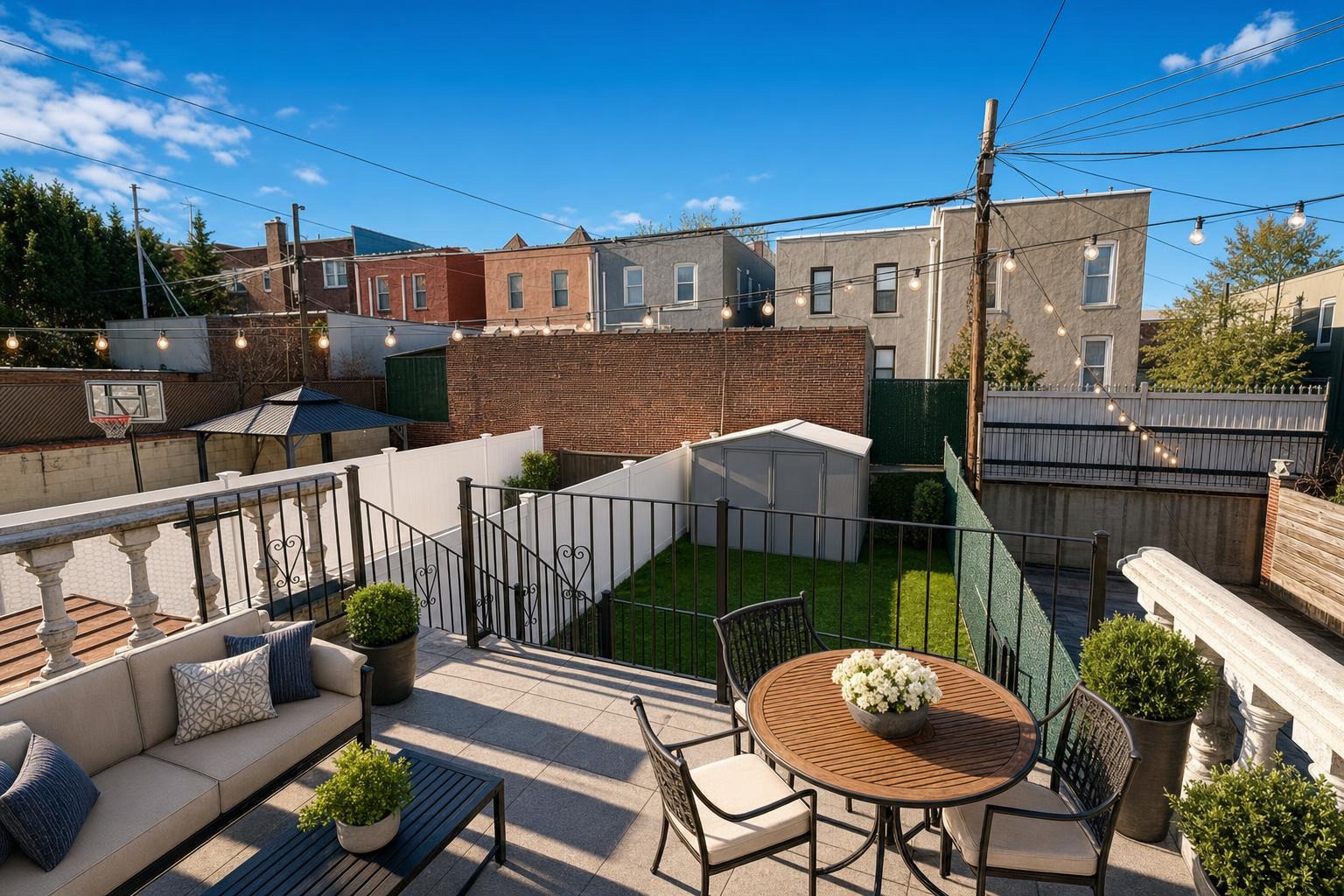
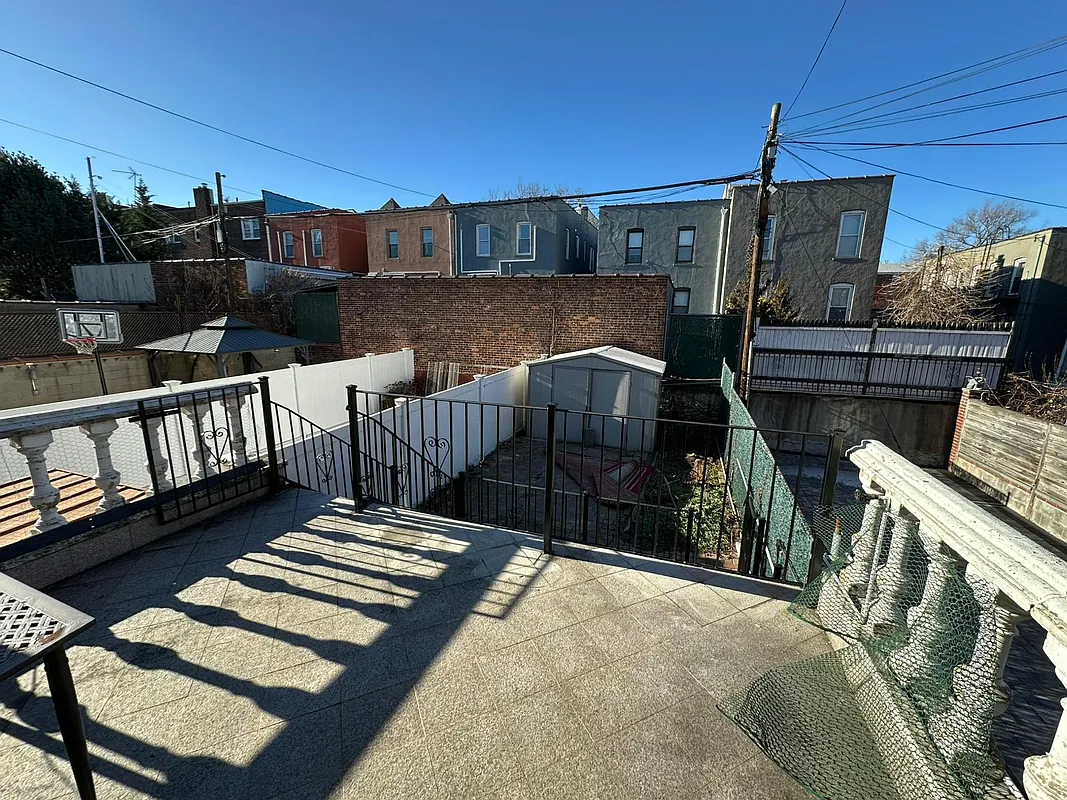 after
before
after
before
The short version
Nobody browses a listing, they scroll it on a phone in a queue of eleven other houses. Order is the only editing you get after the shoot. The cover is a separate decision, the first five photos carry the listing, and some photos are fine in the middle and fatal at the front.
A buyer does not sit down and study your listing. They scroll it. Thumb moving, on a phone, somewhere between two other things, in a queue of eleven other houses in the same price band. Your photos arrive at about a second each, in the order you put them in, until something makes them stop or they get bored and go back.
You cannot change what the house has. You can change what arrives first. That is the one piece of editing every listing gets for free, and most listings do it by accident — whatever order the camera roll happened to be in when they got uploaded.
The cover photo is a separate decision
Treat the cover as its own job, decided on its own terms. It is not competing with your other photos. It is competing with eleven thumbnails in a search grid, and its only job is to earn the tap.
For most houses that is the front exterior, shot straight on, in light that flatters the facade. It reads instantly as a house, it establishes scale and style in one frame, and it is what a person expects to see. Getting that exterior right is worth more attention than any other single frame you will take.
But it is not a rule. If the exterior is a beige box on a street of beige boxes and the kitchen is genuinely special, lead with the kitchen. If the whole reason the house is worth the money is a view, lead with the view. The question is never which photo is best — it is which photo makes a stranger stop scrolling. Portal-specific cover and ordering behavior is worth knowing too, because the crop that looks right in your MLS preview is not always the crop the portal shows.
Once someone taps in, the job changes completely. Now you are not fighting for a tap. You are keeping someone moving. That is what the running order is for.
The first five carry the listing
Most people do not reach photo 20. A good number never reach photo 10. Whatever else you believe about listing photos, plan around this: the first five decide whether anyone sees the rest.
Which means the first five have to do two things at once. They have to be among your strongest images, and they have to establish the house — what it is, how it feels, how it is laid out. A killer detail shot of a light fixture is a strong image that establishes nothing. Save it.
A running order that works
Start here and deviate on purpose, not by accident:
- Exterior or hero shot. This is the house. Ground them.
- The main living space. The room people actually picture themselves in.
- Kitchen. The room that sells or kills the house, more often than any other.
- Dining. Or the eat-in area, or wherever a table goes.
- Primary bedroom.
- Primary bathroom.
- Remaining bedrooms. Best one first.
- Remaining bathrooms.
- Outdoor space. Yard, deck, patio, balcony.
- The supporting cast. Laundry, garage, mechanicals, storage, community amenities.
That order is doing two jobs quietly. It is roughly the order buyers rank rooms by importance, so the strong stuff lands inside the first five. And it is roughly the order a person walks a house, which matters more than it sounds like it should.
If you are still shooting, work off a shot list so the running order is a choice at the end instead of a salvage operation.
Walk the house the way a buyer would walk it
A good sequence builds a floor plan in someone's head without them noticing. Front of the house, in the door, into the living space, through to the kitchen, past the dining area, back to the bedrooms. By photo eight they have an unconscious map of the place.
Break the walk and they stop building the map. If photo 3 is a bedroom, photo 4 is back in the kitchen, and photo 5 is a different bedroom, the buyer quietly gives up on understanding the layout and starts just looking at pictures. Looking at pictures is a much weaker experience than touring a house in your head.
The payoff shows up twice. People who book arrive already oriented. People who do not book at least understood what they were passing on, instead of bouncing because the listing was confusing.
What never leads
Some photos are fine in the middle and fatal at the front:
- A bathroom. Ever. No one in the history of residential real estate has booked a showing because of a powder room.
- A closet, a laundry room, or a garage. These answer questions buyers have not asked yet.
- An empty room. An empty room in slot two reads as vacant, distressed, or nobody bothered. If the house is empty, that is what staging is for.
- A detail shot. The faucet, the hardware, the tile pattern. Lovely at photo 14. Baffling at photo 2.
- The floor plan graphic. Useful, not a photo. Put it late, or in the documents section if your MLS has one.
When to break the default
Three situations where the standard order is the wrong order:
The land is the product. Five acres, a waterfront, a ridge view, a lot people would buy with a tent on it. Lead with it, stay outside for three or four frames, and only then go through the front door. Selling the house first and revealing the view at photo 11 wastes the thing people are actually buying.
The condo with no exterior worth showing. A photo of a beige mid-rise identical to the four next to it establishes nothing and burns your best slot. Lead with the living room, or the view, or the lobby if the building is genuinely nice. The building shot can go later, or nowhere.
The fixer. If the kitchen is the part you would be apologizing for, do not lead with the kitchen. The honest lead is whatever the buyer is really buying: the lot, the location, the block, the bones. Investors and flippers are reading these listings with a completely different eye, and a straight, well-lit photo of a dated kitchen sells them better than a flattering angle that hides the layout.
Reordering is not a one-time decision
Photos go live and then you get data. Saves flat after a week, views fine but no showings, everyone opening and nobody scrolling — those are all order problems as often as they are price problems.
Most MLS systems let you re-sequence and re-push, so try a different lead. Two cautions. Portals can take a cycle to pick up the new order, so do not judge it an hour later. And some syndication feeds re-sort by their own logic rather than honoring yours, which means the only reliable check is opening the live listing on the actual portal, on a phone, the way a buyer will. Not on your desktop, where everything looks fine.
If the listing has been sitting long enough that you are rethinking the order, it is probably time to rethink the photos too.
A 60-photo listing buries its own best five
Volume feels like thoroughness and behaves like dilution. Three angles of the same bedroom does not make the bedroom better; it makes the buyer scroll past four photos to reach the next room. The second bathroom shot, the hallway, the exterior from a fourth corner — all of it pushes your genuinely good frames further from the top.
Cut duplicates ruthlessly, then cut the rooms that only exist to prove they exist. There is a real answer to how many is right, and it is a lot fewer than most agents upload.
The order only reads as one house if the photos look like one house
Here is the failure that undoes a perfect running order. You stage the living room on Tuesday, the bedrooms on Thursday, and the family room the following week. Each photo looks good on its own. Put them in sequence and the walkthrough falls apart — the sofa in photo 2 belongs to a different house than the sectional in photo 7, and the buyer feels the seam without being able to name it.
That is a sequencing problem disguised as a staging problem. When a whole listing is staged in one pass, every photo comes back with the same furniture set carried across the home — one design language, room to room, so the order reads as a walkthrough instead of five different houses. With Stylst you can upload the whole shoot at once, have the room type detected per photo, and get the set back consistent, at about 30 seconds a photo.
One thing that is not optional: virtual staging has to be disclosed. Furniture that is not in the house is a material change to what a buyer sees, no matter how good the sequence is.
Questions people actually ask
What order should real estate listing photos be in?
A running order that works for most houses: the exterior or hero shot, the main living space, the kitchen, the dining area, the primary bedroom, the primary bathroom, the remaining bedrooms, the remaining bathrooms, the outdoor space, and then the supporting cast — laundry, garage, mechanicals, community amenities. That sequence puts the rooms buyers care about most into the first five slots and walks the house roughly the way a person would walk it.
What should the first photo of a listing be?
The cover photo has one job: earn the tap from a grid of thumbnails. For most houses that is the front exterior, shot straight on in good light. If the exterior is unremarkable and the kitchen or the view is the actual reason someone would buy the house, lead with that instead. Pick the cover against the other listings on the page, not against your own other photos.
Does the order of listing photos actually matter?
It matters because most buyers never reach the end. They scroll on a phone at roughly a second a photo and stop when nothing pulls them forward, so the first five photos carry the listing. Order is also the only editing you get to do after the shoot is over — you cannot change what the house has, only what arrives first.
Can I reorder listing photos after the listing goes live?
Yes. Most MLS systems let you re-sequence photos and push the change back out, and it is worth doing if saves and showings stall in the first week. Two cautions: portals can take a cycle to pick up the new order, and some feeds re-sort on their own rules, so check the live listing on a phone on the actual portal instead of assuming the change carried.
The bottom line
Order is the cheapest lever on a listing. It costs nothing, it takes ten minutes, and it is the difference between a buyer touring your house in their head and a buyer looking at a pile of rooms. Pick a cover that earns the tap. Put your five strongest, most orienting frames in slots one through five. Walk the house the way a person walks it. Cut everything that is only there for completeness. Then check it on a phone, because that is where it will be read.