Shooting Listing Photos on a Gray Day
The forecast says overcast all week and the seller wants photos Thursday. Here's the thing nobody tells new agents: gray is great light for interiors. It's the exterior you have to solve.
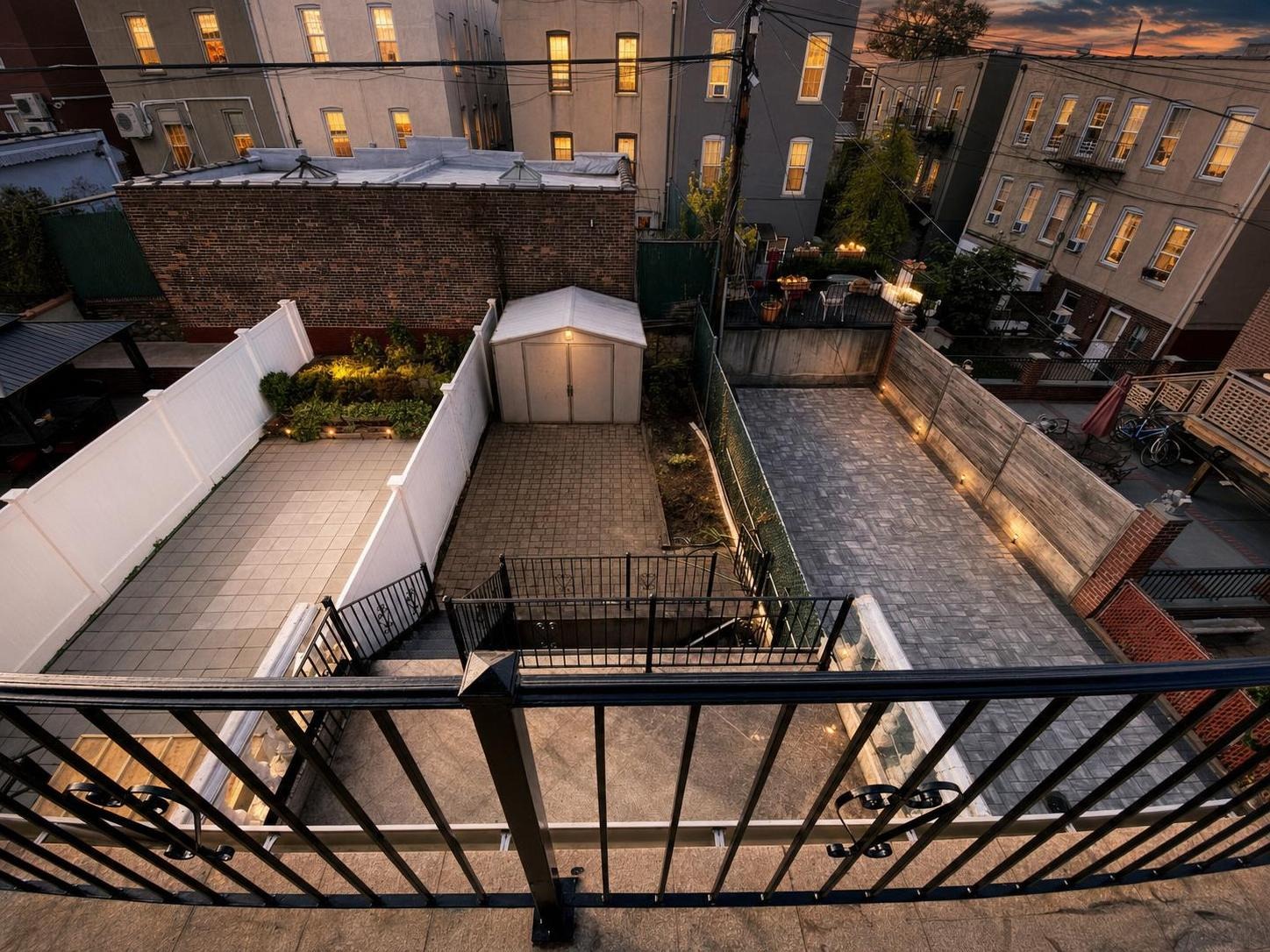
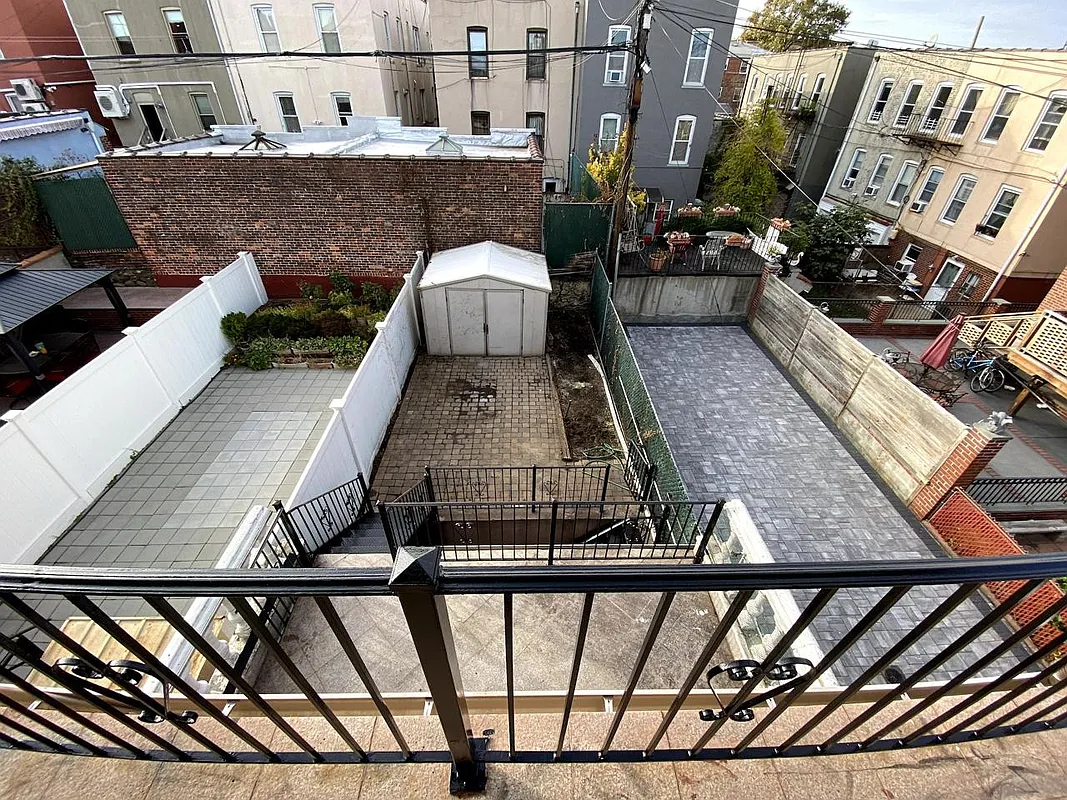 dusk
gray afternoon
dusk
gray afternoon
The short version
Gray is genuinely good light for interiors, because direct sun through a window is the hardest thing a phone camera deals with in a house. Expose for the room rather than the window, turn on every lamp and match the bulbs, keep the white sky out of frame. The exterior is the part you actually have to solve.
A gray day is not a cancelled shoot. It's a re-ordered one.
The instinct is to reschedule everything and hope for sun. That's backwards for most of the house. Overcast light is soft, even, and forgiving indoors — it's the light interior photographers pay hundreds of dollars in diffusion gear to fake. What overcast ruins is the outside, and the outside is one or two frames, not thirty.
So the plan is simple: shoot every interior today, while it's gray, and deal with the exterior as its own problem.
Why gray is good light indoors
Direct sun through a window is the hardest thing a phone camera deals with in a house. It lays a hot white stripe across the floor, throws a hard-edged shadow of the mullions onto the rug, and blows the window to pure white. The gap between the brightest and darkest thing in the frame is enormous, and something has to give.
A cloud layer is a giant softbox. It removes the stripe, removes the shadow edges, and pulls the whole room into a range your camera can hold. Windows still read brighter than the walls, but they're closer to survivable — and you get the same look in every room instead of chasing the sun from one side of the house to the other.
The tradeoff is that soft light is flat light. Rooms lose a little depth and colors lose a little punch. Both of those are recoverable in the edit. A blown-out window is not.
Expose for the room, not the window
This is the one habit that separates a usable gray-day interior from a muddy one. Your phone meters for the brightest thing it sees, which is the window, and underexposes the whole room to protect it. You end up with a correctly exposed rectangle of gray sky and a dark cave around it.
Tap on a wall — a mid-tone wall, not the window, not the darkest corner — then drag the exposure slider until the room looks right on screen. Let the window go bright. Nobody is buying the window.
Then ask one question: is the view worth selling? Water, a skyline, a mature yard — yes, so take a second frame exposed for the view and use both. If the window looks onto the neighbor's siding, one frame is plenty. The rest of the phone-shooting mechanics — height, verticals, which corner to stand in — are in the phone listing photo guide.
Turn on every lamp — and match the bulbs
Lights on, always. Lamps, overheads, undercabinet, the light in the closet, the one over the stove. A lit house reads as a lived-in house, and on a gray day those lamps put warmth back into a room the sky has drained.
The catch, and it's the biggest amateur tell on an overcast shoot: mixed bulb temperatures. One warm bulb in a fixture full of daylight bulbs shows up as an orange blob next to a blue one. On a sunny day, daylight overwhelms it. On a gray day nothing does, so it sits there looking like the house has a wiring problem.
Walk the house before you shoot and swap the odd bulb out — ten minutes, cheapest fix available. If you can't, kill the mismatched fixture entirely. A dark lamp beats a wrong-colored one.
Keep the white sky out of the frame
Inside, treat the windows like a lighting instrument, not a subject.
Shoot from a doorway across the room so the windows land at the edge of the frame or behind you. Angle into a corner instead of squaring up on the wall with the glass. In a room with one big window, back up and shoot along the wall it sits on rather than straight at it.
Where a window has to be in shot, get it as small a share of the frame as you can and let it clip. A bright pane at the edge reads as daylight. A white rectangle in the middle of the frame reads as a mistake — it's on most lists of the photography mistakes that kill listings for good reason.
The exterior is the real problem
Here's what a flat white sky does to a house.
It removes shape. Without directional light there's no shadow under the eaves, no relief on the siding, no separation between the roofline and the sky — the house goes soft and slightly two-dimensional. It drains the yard: grass reads olive, brick reads brown, the front door loses its color. And the sky becomes a big blank area at the top of your most important photo.
Most important, because the exterior is usually the cover photo, and the cover decides whether anyone opens the listing at all. A buyer scrolling thumbnails doesn't think "poor lighting conditions." They just don't tap. That's the real cost of a gray-sky front elevation: not an ugly photo, a photo nobody looks at. Curb-appeal framing helps, but it can't manufacture light that isn't there.
Three honest options for the outside
Reschedule the exterior. Just the exterior — you already have the interiors. Twenty minutes on the first clear morning. If your timeline allows it, this is the best answer, and the timing guide covers which hour to aim for.
Crop the sky out. Come in tighter. Shoot the entry, the porch, the walkway, the landscaping, a three-quarter angle that fills the frame with house instead of sky. You lose the full elevation, but a well-composed detail beats a wide shot with a dead top third — and detail shots hold up much better on a phone-sized thumbnail.
Convert it to dusk, and label it. A day-to-dusk conversion takes the flat afternoon frame you already have and turns it into a warm twilight exterior with lit windows. It's the strongest-performing exterior look in real estate marketing, and you don't need to be standing outside at 7:40pm to get it. If you want the real thing instead, shooting your own twilight photos is very doable — it just requires being there at the right twenty minutes.
Say what you edited
This part is not optional, and it's where a lot of otherwise careful agents get sloppy.
Replacing a white sky with a blue one is an edit to the photograph. Converting a daytime exterior to twilight is a bigger one. Both change something a buyer reasonably assumes is a record of the property, so both get a label — a line in the listing remarks and a note in the photo caption. "Sky replaced" or "Dusk conversion" is enough. A dusk photo is a marketing image, not a weather report, and saying so costs you nothing.
The rules for staged and AI-edited images are moving quickly; the current disclosure rules are worth ten minutes. And the hard line underneath all of it: you may improve how a property is lit. You may not edit away something permanent — a crack, a water stain, a power line across the yard. Fixing the light is marketing. Removing a defect is misrepresentation.
When it's actually raining
A few things change once there's water on the ground.
Wet pavement photographs well. A wet driveway or slate walkway goes darker, richer, slightly reflective — often better than dry. Wet decking and stone read the same way. A free upgrade, so don't wait for the ground to dry.
A wet lens does not. One droplet on the phone's rear lens turns every bright area into a soft glowing smear, and you won't see it on the screen in daylight. Wipe the lens before every exterior frame, not before the shoot. Shoot from under an eave when you can.
Watch the puddles. Standing water in a driveway, at the base of a downspout, or against the foundation reads as a drainage problem to any buyer who has owned a house. Reframe it out, or wait for it to drain. Same for a saturated lawn with visible low spots.
Skip the wide shot. In real rain there's no exterior wide worth taking. Get the details, get the interiors, come back.
Where a tool helps
Two of the gray-day problems are edit problems, and that's what Stylst is for.
Enhance is a professional photo edit — brightness, color, perspective — with nothing added and nothing removed. Exactly the fix for a flat, cool, muddy overcast interior: out comes the gray cast, back comes the contrast, the verticals straighten, and the room in the photo is still the room in the house.
Day to dusk is the exterior answer: your flat daytime front elevation comes back as a twilight shot with warm lit windows. Disclose it, and it does more for your click rate than any other single edit available to you. Fuller walkthrough in the day-to-dusk guide.
Both take about 30 seconds, from the frame you already shot in the rain.
Questions people actually ask
Is an overcast day bad for real estate photos?
For interiors, no — it is some of the best light you will get. Overcast light is soft and even, so there is no hard shadow stripe across the floor, no blown-out window, and a much smaller gap between the darkest corner and the brightest pane. Exteriors are the problem. A flat white sky gives the house no shape and drains the color out of the yard. So the move on a gray day is to shoot every interior while it is gray and handle the outside separately.
How do I keep a white sky out of my listing photos?
Choose angles that do not point straight at a window. Shoot from a doorway across the room, put the windows at the edge of the frame or behind you, and let the light come in rather than sit in the shot. When a window has to be in frame, expose for the room instead of the glass and accept a bright pane, then take a second frame exposed for the view if that view is worth selling.
Can I replace the sky in a listing photo?
You can, but label it. Swapping a white sky for a blue one, or turning a daytime exterior into twilight, is an edit to the photograph, and buyers are entitled to know the sky is not the sky that was there. A short line in the listing remarks and in the photo caption covers it. What you must never do is edit away something permanent, like a crack, a stain, or a power line, because that crosses from marketing into misrepresentation.
What should I do about the exterior if it rains all week?
Pick one of three honest options. Reschedule the exterior for the first clear morning, which is the best answer whenever your timeline allows it. Crop the sky out with a tighter composition that leans on the entry, the porch, and the landscaping. Or convert the daytime shot to dusk and disclose it, which turns the flat frame you already have into a warm evening exterior with lit windows.
The bottom line
Don't cancel the shoot. Do the whole inside of the house on the gray day, where the light is quietly doing you a favor, and treat the exterior as a separate twenty-minute errand you either reschedule, crop, or convert. The weather costs you one frame, not a listing.