Photo Enhancement vs Virtual Staging: Which Does Your Photo Actually Need?
The two words get used as if they mean the same thing. They are different products, they solve different problems, and only one of them has to be disclosed on every listing that uses it.
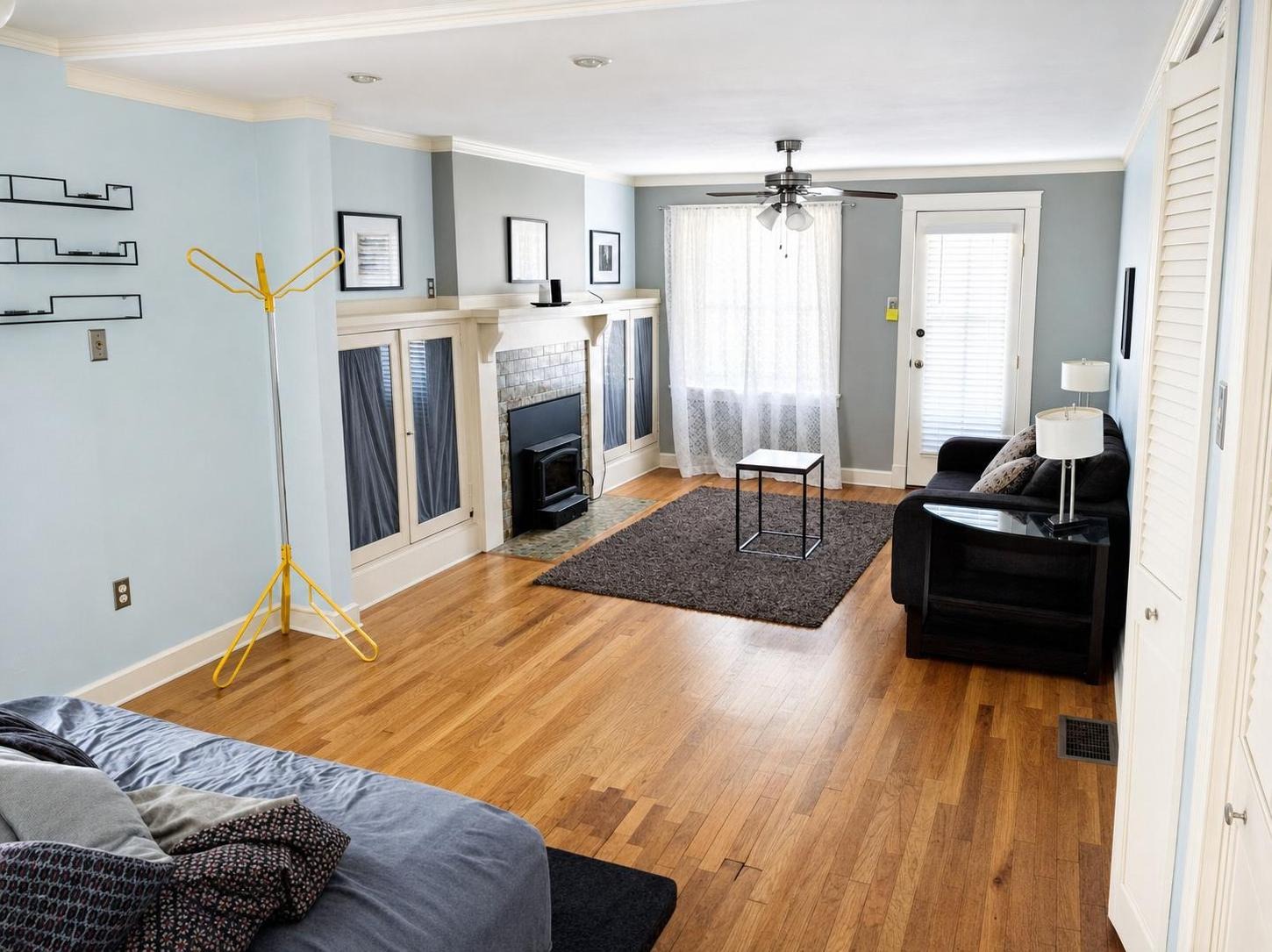
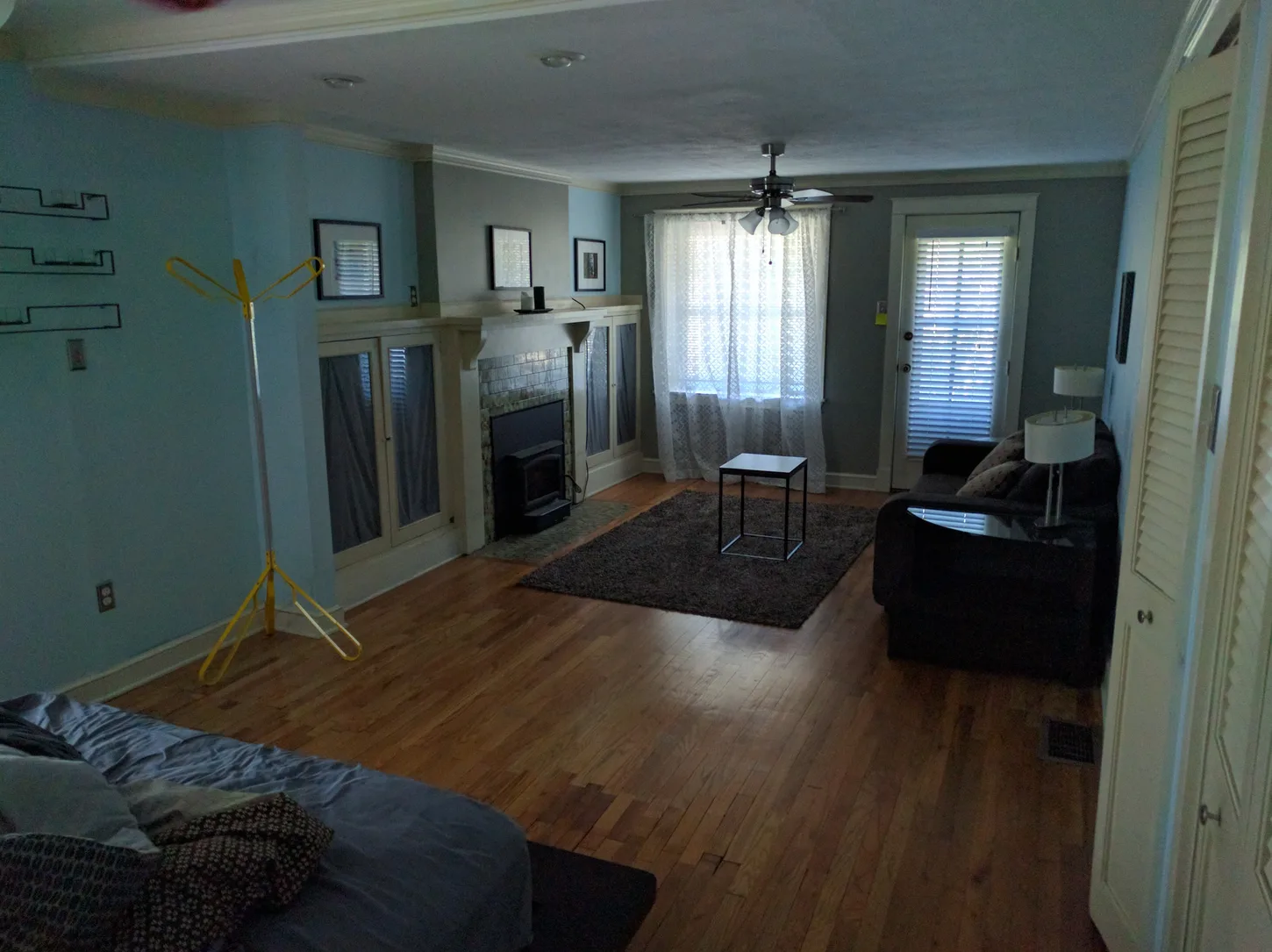 enhanced
phone photo
enhanced
phone photo
The short version
Enhancement is a photo edit, staging adds furniture that is not there, and only one of them has to be disclosed on every listing that uses it. Most agents reach for staging when the photo actually needed a dollar of exposure correction, which is the more expensive of the two mistakes.
An agent sends me a dark photo of a furnished living room and asks whether AI staging can fix it. Another sends a photo of a bare bedroom and asks whether an enhancement will make it look less sad. Both of them have picked the wrong tool, in opposite directions, and it happens constantly — because the industry uses enhancement, staging and editing as if they were interchangeable words for making a photo look better.
They are not the same thing. They change different things about the photo, they cost different amounts of credibility, and one of them carries a disclosure obligation the others do not. Getting the choice right takes about thirty seconds once you know what you are choosing between.
Three tools, clearly separated
Enhance is a photo edit. Exposure, white balance, contrast, straightened verticals, detail pulled back into a window that blew out to white. Nothing is added to the room and nothing is removed from it. The chair in the enhanced photo is the chair in the house, in the same place, in the same condition. This is what a professional real estate photographer has always done in post — it is just faster now. The basics of that edit are worth understanding even if you never do it by hand.
Virtual staging adds furniture. A sofa that does not exist, a rug that was never there, art on an empty wall. It is a rendering of a possible version of the room, laid over a real photograph. That is genuinely useful — and it is also why it must be disclosed every single time.
Declutter sits in between, and it is the one people think about least. It removes movable clutter and keeps the real furniture. The seller's sofa stays, the seller's stack of Amazon boxes goes. Nothing invented, something removed — which still changes what a buyer thinks they are seeing, so it deserves the same disclosure discipline as staging.
There is a fourth, narrower one worth naming because it gets lumped in: day to dusk, which turns a daytime exterior into a twilight shot. It changes the time of day, not the property. Treat it the way you treat staging: label it, and never use it to hide something the daylight showed.
The disclosure line is not a technicality
The reason to keep these three straight is not vocabulary. It is that they sit on different sides of a line the industry actually enforces.
Correcting exposure and color is how photography has always worked. Nobody expects a listing photo to be an unedited camera JPEG, and no MLS treats a white-balance fix as a material change.
Adding furniture is a different category. A buyer looking at a staged photo is looking at something that does not exist, and if they find that out at the showing rather than in the caption, you have burned trust you needed. The 2026 disclosure rules are not complicated — say it, in the photo caption or a watermark, and in the remarks. The legal shape of it varies by board, and a few boards are stricter than the national guidance, so check yours rather than assuming.
Decluttering is the one people quietly skip disclosing, and it is the one worth being careful about, especially in an occupied home. What you can and cannot remove has real edges.
The walkthrough: pick by scenario
Look at the actual photo and answer one question — what is wrong with it?
Empty house. Stage it. An empty room gives a buyer nothing to calibrate against; they cannot tell whether a king bed fits, whether the sofa wall is really a sofa wall, whether the dining area seats six. Brightening an empty room produces a brighter empty room. If the house is vacant, staging is the whole job.
Occupied, tastefully furnished, photos are dark. Enhance. This is the most common mismatch in the whole category. The room is fine. The furniture is fine. The photo was taken at 4pm on a phone, against a window, and it came out dim and gray. Nothing about that needs new furniture — it needs exposure, white balance and a window pull. Staging over a room that is already well furnished replaces something true with something invented, for no gain.
Occupied and over-furnished, or very personal. Declutter — but first, get the seller to move what can actually be moved. Real removal beats digital removal every time, because the buyer walks through the real room eventually. The kids' toys, the countertop appliances, the fridge photos, the exercise bike in the dining room: those go in a box before you shoot. Give the seller a checklist. Then declutter the photo for what is left — the wall of family portraits, the dog crate, the pile that nobody was going to move.
Dated but clean. Enhance, and let the price do the talking. Oak cabinets from 1994 in a spotless kitchen are not a photo problem. They are a pricing conversation. A well-lit, straight, honest photo of a dated kitchen brings you buyers who wanted a dated kitchen at that price. A photo that disguises it brings you buyers who walk out of the showing annoyed.
Dull exterior. Day to dusk, if the shot is otherwise right and the day was flat. A gray-sky exterior is the single most common wasted cover photo, and turning it to twilight is the cheapest fix there is. If the composition itself is off, no tool saves it — reshoot.
Rental or a room you will re-list. Stage it, and keep the file. The photo you make for a listing works for the next tenant cycle too, which quietly changes the math on whether it was worth a dollar.
The two mistakes, both expensive
Most agents reach for staging when what the photo actually needed was a dollar of exposure correction. The room already had furniture a buyer would like. It just looked like it was photographed in a basement. Staging replaced a real, good room with a rendered one and gained nothing except a disclosure obligation.
The inverse is just as common and harder to spot. Someone enhances an empty room, gets back a crisp, bright, well-corrected photo of nothing, and cannot work out why the listing is not moving. The photo is not the problem. The photo is excellent. It is a photo of an empty room, and empty rooms do not sell themselves — a buyer cannot picture their life in a space they cannot scale.
The tell for both: describe what is wrong out loud. If the sentence is about light, color, or straightness, you want enhancement. If the sentence is about emptiness, you want staging. If the sentence is about stuff, you want declutter.
What no tool should ever do
One hard line, and it applies to all three.
None of these should be used to remove a permanent defect. Not a crack in the foundation wall. Not a water stain on the ceiling. Not the power line crossing the roof, not the cell tower behind the treeline, not the neighbor's collapsing fence.
Declutter removes clutter, not problems. That distinction is the entire ethical basis of the tool. A pile of laundry is not a condition of the house; a stain is. Editing a condition out of a photo is misrepresentation, and it is the kind that surfaces at inspection with a paper trail pointing straight at your listing.
The same logic runs the other way and works in your favor. Show the defect, price for it, and the buyers you get are buyers who already accepted it.
What this costs
All four tools price the same. With Stylst it works out to between $1.20 and $1.70 per finished photo, depending on whether you subscribe or buy a pack, and whether that photo is staged, enhanced, decluttered or converted to dusk. Physical staging runs $150 to $300 per room, which is why the choice between tools matters more than the cost of guessing wrong once.
That price is also why the honest recommendation here is often the cheaper-looking one. Enhancing a well-furnished room is not a downgrade from staging it. It is the correct answer, and it happens to be the answer with no disclosure line attached.
Questions people actually ask
What is the difference between photo enhancement and virtual staging?
Enhancement is a photo edit — exposure, white balance, straightened verticals, detail pulled back into a blown-out window. Nothing is added and nothing is removed, so the room in the photo is the room in the house. Virtual staging adds furniture and decor that are not physically there. One changes how the room was photographed; the other changes what is in it.
Does photo enhancement have to be disclosed?
A straight enhancement that only corrects exposure, color and perspective is normal photography and is not treated as a material change. Virtual staging is different and must always be disclosed, and so should decluttering, because removing a sofa or a stack of boxes changes what a buyer thinks they are looking at. Check your own MLS rules, since some boards are stricter than others about labeling any edited image.
Should I stage or enhance an empty room?
Stage it. Enhancement gives you a brighter empty room, and buyers are famously bad at judging scale and furniture fit in a bare space. Staging gives them something to react to. The reverse mistake is just as common: reaching for staging on a room that is already furnished nicely and only photographed badly, when a dollar of exposure correction would have fixed it.
Can virtual staging remove things from a photo?
Adding furniture and removing clutter are two different tools, and neither one should touch a permanent defect. Decluttering takes out movable things: boxes, laundry, countertop clutter, personal photos. It must never be used to erase a crack in a wall, a water stain on a ceiling or a power line over the roof. Those are conditions of the property, and editing them out is misrepresentation, not photo work.
The bottom line
Enhance fixes the photograph. Stage fills the room. Declutter clears it. They are three answers to three different questions, and the fastest way to pick is to say out loud what is wrong with the shot. Only one of them changes what is in the house, and that one gets a disclosure every time it runs. Everything else is just taking a better picture of what is already there.