Winter Listing Photos: Short Days, Bare Trees, Gray Light
Your January listing is being compared to July photos of the house three doors down, and the seller knows it. Here's how to shoot the season you actually have.
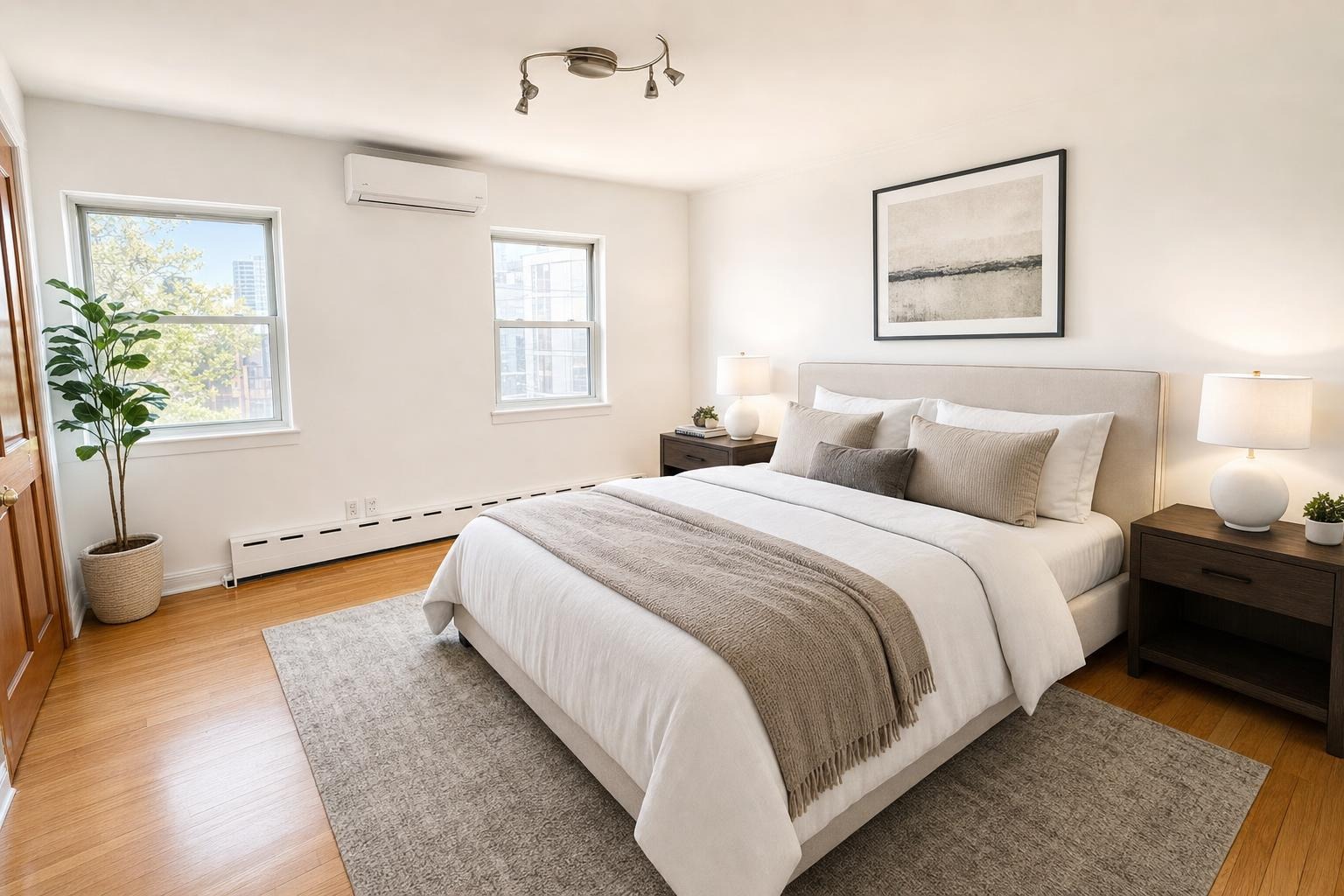
 after
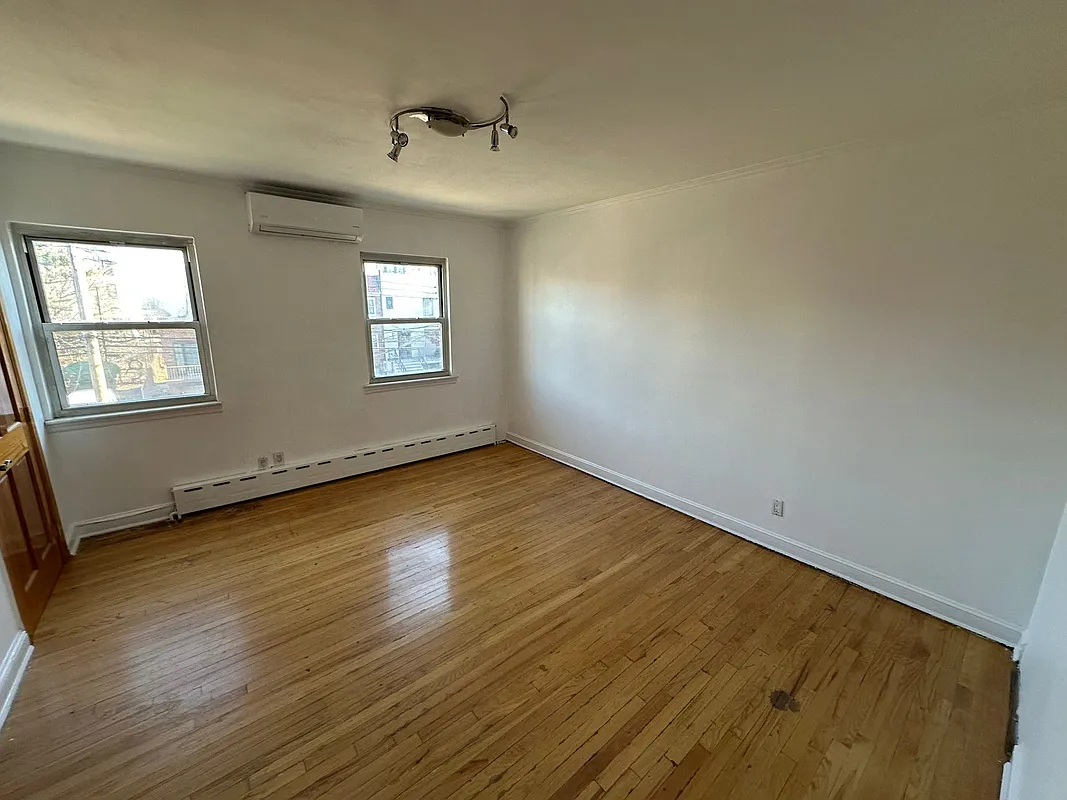
before
after
before
The short version
Your January listing is being compared to July photos of the house three doors down, and the seller knows it. The usable window is about four hours and it moves, fresh snow is an asset while three-day-old snow is a liability, and the interiors are what actually carry a winter listing.
A house that comes on the market in January has a problem nobody says out loud. On the same portal page, the comps are showing green lawns and blue skies, because those listings were photographed in June. Yours has a gray sky and a bare maple.
The seller has noticed. Usually they say it as a question: should we wait until spring?
Sometimes the answer is yes. But a winter listing shot deliberately does fine, and January buyers are the serious ones. What loses is a winter listing shot the way you would shoot a summer one.
The window is short, and it moves
In much of the northern half of the country, a December shoot has maybe four hours where an exterior looks good. Golden hour is at 3:30, not 7:30, and the sun never gets high — low, directional light all day, which flatters a front elevation and ruins one that is backlit.
So plan the exterior around the light, not around when the seller can let you in. Check which way the front faces, work out when the sun is on it, and book that hour. Everything else in the shoot is flexible; the exterior is not. The timing rules are here, and in winter they get stricter.
Practical version: a south-facing front works at almost any midday hour. A north-facing front is a shaded front in flat light — plan on a dusk exterior instead.
Fresh snow is an asset. Three-day-old snow is a liability.
Clean snow on a roofline and an untouched front lawn photographs beautifully. It is bright, it covers the dead grass, and it makes the house look cared for.
Gray, refrozen, plow-scarred snow does the opposite. It reads as neglect even when nothing is neglected, and it puts a hard brown line between street and yard.
So the rule is simple: shoot the morning after it falls, or wait until it is gone. The in-between week is the worst-looking version of the property all year.
Two smaller things that matter more than they should. Shoot before anyone tracks across the front yard, including you — footprints from the sidewalk to the door ruin more winter exteriors than anything else. And clear the walk and driveway before the shot, not after: clean edges read as a maintained house, a half-cleared path reads as a vacant one.
Bare trees expose what the leaves were hiding
In July, the maple in the front yard hides the neighbor's vinyl siding, the utility pole and the road. In January it hides nothing, and every angle you used last summer now includes all three.
The move is to stop leaning on landscaping and start using the structure of the house. Straight-on symmetry works in winter where it looks static in summer, because bare branches read as texture behind a clean roofline. Get closer than you normally would. Drop the camera lower for more roof and sky and less street. Shoot the entry — a good front door with the porch light on is a winter photo in a way it never is in June. More on exterior angles here.
What you do not do is paint the yard green or edit the power line out. Winter is a season, not a defect, and anything permanent in the frame stays in the frame.
Interiors carry a winter listing
Someone scrolling in February is picturing being inside. That is where the shoot's time goes: more interior frames, more rooms. If you normally shoot eighteen photos with six exteriors, shoot eighteen with three.
It also changes which rooms matter. In summer a buyer wants the deck and the yard; in winter they want the fireplace, the kitchen with the light, the finished basement, the mudroom that actually holds coats and boots. Shoot the winter version of the house's argument.
Warmth is the whole pitch
Everything about a winter interior shoot serves one impression: this house is warm.
Turn on every lamp, including the ones nobody uses. Open every curtain and blind all the way. Light the fire if there is a real one, and give it ten minutes to look like a fire and not a match. If the house has a graveyard of mismatched bulb temperatures, spend twenty dollars and make them match before you shoot.
Then deal with the blue. Winter daylight is cool and an overcast sky is cooler still, so a phone metering on a bright window drags the whole room toward gray-blue. You see it worst on white walls, which come out looking like a hospital corridor. Warming the white balance and lifting the shadows is most of the fix, and basic editing covers the rest — but you have to notice it first. Compare the wall color in the photo to the wall in the room.
Dusk is easier in winter than in any other season
This is the one real advantage the season hands you. Twilight arrives around five instead of nine. You can shoot a dusk exterior and still be home for dinner, the seller's lights are already on because it has been dark since four, and nobody has to keep the house lit at 9:30pm.
It is also the best answer to a north-facing front, an overcast day, or a gray-snow week — the sky does the work the yard cannot. You can shoot one yourself with a tripod and twenty minutes of patience.
When you cannot go back — listing goes live tomorrow, shoot was at 11am, sky was white — Day to dusk converts the daytime exterior you already have into a twilight one. It is an edit, so treat it like one: a supporting photo, not the only exterior in the set.
The salt-and-boots reality of an occupied house
Nothing about a January shoot goes the way it does in June, and most of the friction is at the front door.
There will be boots, a wet mat, a heap of hats, four coats on two hooks and a bucket of ice melt on the porch. Send the seller a short list a day ahead — clear the entry, dry the floor, boot tray in a closet, salt bucket hidden, cars down the street — and check it yourself on arrival. A written checklist beats a reminder text, because half of a winter list is stuff people stop seeing by December.
Shoot the entry first, before you and the seller have tracked salt through it. Wipe your own boots and bring a towel; you are walking on the floors you are about to photograph. And arrive late enough that frost on the inside of the windows has cleared, because a fogged window kills the one thing a winter interior needs — light coming in.
About using the seller's summer photos
Every agent with a January listing thinks about this, usually because the seller offers. They have beautiful shots of the garden in bloom. Why not use them?
It is not automatically wrong. A summer photo can honestly show something a February photo cannot — mature landscaping, a pool in use, a garden that is genuinely part of what you are selling. Buyers understand seasons.
Three conditions, none of them optional.
Label it. Photo caption, remarks, both. A previous-season photo gets marked as one, the same way a virtually staged room gets marked as staged.
Never make it the cover. The cover photo is the promise. If the promise is a green lawn and the curb is gray slush, the buyer feels lied to before they reach the door — before they have seen a single room.
Check your MLS rules first. Requirements around current and previous-season photos vary, and it is worth knowing yours before you upload rather than after a complaint. Photo requirements generally are worth a read.
A working ratio: current photos throughout, one or two labelled summer shots deep in the set, cover always today.
Where the tools help
Three specific winter problems have a fast fix.
The cold empty room. A vacant house in January is the hardest thing on the market to photograph, because bare rooms read as cold. Staging turns one into somewhere a person would live — the full approach for an empty house is here — and Stylst does it from a phone photo in about 30 seconds, for about a dollar, against $150 to $300 per room for physical staging. Disclose it, same as any season.
The blue cast. Enhance is a straight pro photo edit — brightness, color and perspective, nothing added and nothing taken out. It is the tool for the gray-blue living room.
The 4pm exterior. Day to dusk turns a daylight exterior into a twilight one, which is often the difference between an exterior you post and one you apologize for.
Questions people actually ask
When is the best time to shoot exterior photos in winter?
Late morning through early afternoon for a normal daylight exterior, and the hour before sunset for dusk — in December that lands before dinner instead of after bedtime. Plan the appointment around the light instead of fitting the light around the appointment, because in January you may only get four usable hours and they do not wait for you.
Should I use the seller's summer photos on a winter listing?
Only with a label, and never as the cover. A summer shot can honestly show a garden or an open pool that cannot be photographed in February, but it has to be marked as a previous season so nobody reads it as today. Check your MLS rules before you upload, and lead with a current photo — a buyer who pulls up to a gray yard feels lied to before reaching the front door.
Why do my winter interior photos look blue?
Winter daylight is cool and an overcast sky is cooler still, so a phone that balances for the window turns the whole room gray-blue. Turn on every lamp, open the curtains all the way, and warm the photo back up afterward. Stylst's Enhance tool makes that correction for you: brightness, color and perspective, with nothing added to the room and nothing removed from it.
Is it worth staging an empty house in winter?
An empty room is a hard sell in any season and a harder one in January, when the buyer is already imagining a cold floor. Furniture gives a room scale and a sense of temperature, and virtual staging gets it there for about a dollar a photo instead of the $150 to $300 per room that physical staging costs. Disclose it, exactly as you would in June.
The bottom line
You cannot photograph a season you do not have, and pretending otherwise is where winter listings go wrong. Shoot the exterior when the light is on the front of the house, take the snow while it is fresh, use bare branches as texture instead of hiding from them, then go inside and spend your time where the buyer's head already is.
Warm rooms, lamps on, no blue cast, an honest dusk shot, and every empty room furnished so it reads as a home in February. On the web your first photo is free in supported regions: sign in with your email and it comes back as a watermarked preview, saved to your account, that any credit pack unlocks with nothing to redo.