Real Estate Photography Pricing: Costs, Rates, and Add-Ons
What agents and sellers pay, what a quote includes, and why the lowest headline rate may not be the lowest final invoice.
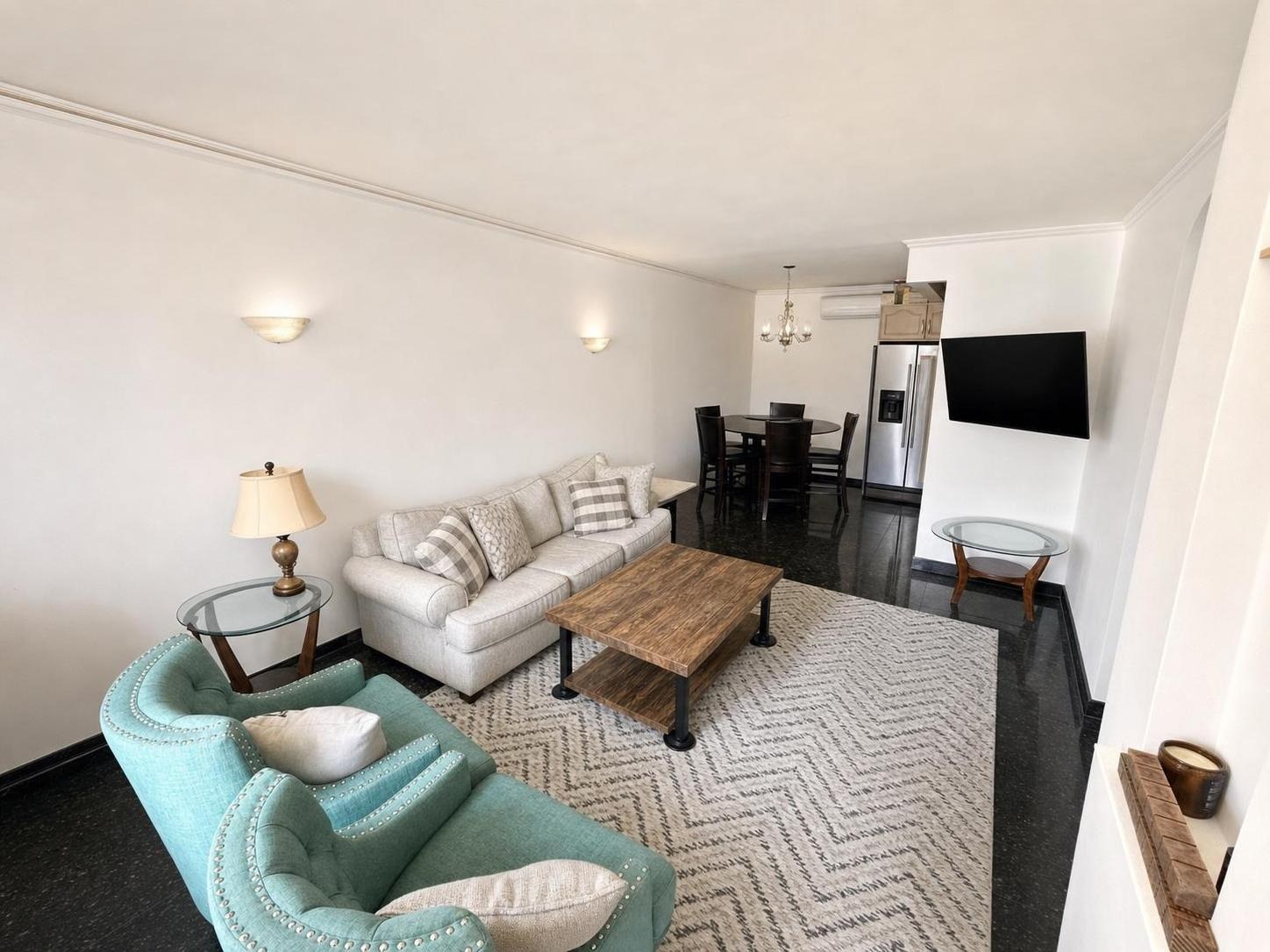
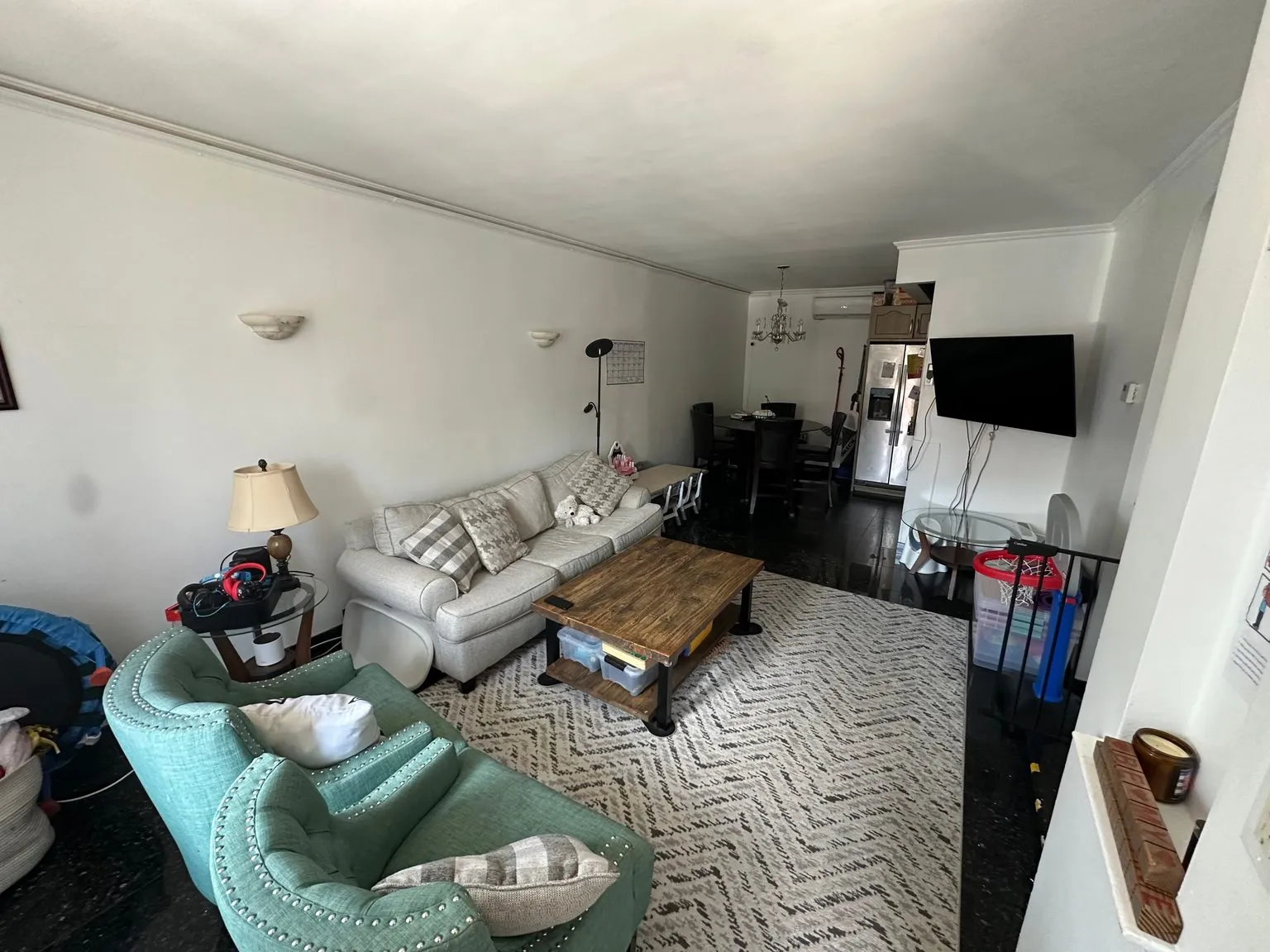 decluttered
before
decluttered
before
The short version
Budget a few hundred dollars for a professional shoot on a normal listing, and treat any single published average with suspicion because the guides do not agree. Square footage and photo count move the base price, and the add-on menu is where a cheap package quietly becomes an expensive one.
Short answer: for a standard single-family home in the US, photographers and industry pricing guides commonly quote somewhere in the range of $150 to $500 for the shoot. Bigger homes, luxury listings, and packages loaded with drone and video run past $1,000 without much effort.
Now the honest part. Those guides disagree with each other, and not by a little. One puts a typical listing at $110 to $500. Another says a mid-range package on a normal house is $300 to $600 and calls $200 to $400 the small-property band. A third quotes a national average around $230. They can't all be describing the same thing, and they aren't — they're describing different photo counts, different markets, and different assumptions about what's bundled.
So take the range as orientation, not as a price. The real number lives in your market, and two phone calls will find it.
Are you setting the rate rather than buying the shoot?
This page owns buyer intent. Photographers building their own packages should use the separate guide to pricing real estate photography services, with a cost-floor formula and copyable worksheet.
Compare the complete quote, not the headline price
| Ask for | Why it changes the comparison |
|---|---|
| Property-size limit | A low base rate may cover only a condo or a small square-footage band. |
| Minimum finished photos | Two quotes can deliver very different gallery sizes. |
| Editing included | Confirm that color, exposure, window balance, and delivery files are in the stated price. |
| Turnaround and rush terms | Next-morning or same-day delivery may be a separate fee. |
| Travel and cancellation boundary | Distance, parking, or an unready property can change the invoice after booking. |
| Usage and hosting | Listing use, commercial brand use, tours, and ongoing hosting are not automatically the same purchase. |
What actually moves the price
Square footage and photo count. The most common structure. A 1,200 square foot condo is fewer rooms, fewer angles and dramatically less editing than a 5,000 square foot house, and editing is where the photographer's hours go. Some price per square foot, some by delivered image count, and the two are proxies for the same thing. Decide how many photos you actually need before you compare quotes — how many photos a listing needs is the version of that question worth answering first.
Your market. The same shoot costs meaningfully more in a major metro than two hours outside it, and travel gets billed on top once you're outside the photographer's normal radius. A rural listing can carry a trip fee that rivals the shoot.
Turnaround. Twenty-four to forty-eight hours is standard. Need them tonight and you're often into a rush fee — commonly quoted around $50 to $150 depending on the shop.
Whether editing is included. This is the one that bites. Some quotes are for capture, with editing billed per image. Ask the question directly: does that number include the finished, delivered photos?
The add-on menu is where a cheap package gets expensive
A $250 base quote is rarely what you spend. Everything below is a separate line, and the commonly quoted ranges vary widely by market and provider.
- Drone / aerial. Often $150 to $300 for a basic set of stills; four figures at the top end once video is involved. Worth it on acreage, waterfront and anything where the lot is the story. Drone photos for listings covers when it earns its keep.
- Twilight exteriors. Frequently quoted as a $100 to $200 add-on, sometimes far more, because it's a second trip at a specific twenty-minute window.
- Floor plans. Sometimes bundled, sometimes a separate charge. Buyers use them, so ask.
- Video and 3D tours. The biggest jump on the menu. Walkthrough video and a 3D tour can each cost as much as the still shoot, or several times more.
- Virtual staging. Plenty of photographers resell it per image at a healthy markup. It's a fine convenience; just know you're paying retail for something you can run yourself.
Stack three of those on a base package and you've tripled the invoice. None of it is a scam — it's all real work. But it's worth deciding which ones the listing needs rather than checking every box on the order form.
The costs that never make it onto the quote
The re-shoot, when the sellers weren't ready and half the photos have laundry in them. The second trip for the twilight exterior. The rush fee, because the sign went up before the photos came back. And the one that actually costs money: the days of listing time burned waiting on delivery, on a listing whose best week is its first. Those are the expensive parts, and none of them appear on the estimate.
The honest case for hiring a photographer
Most listings should be shot by a professional, and the reasons are specific.
A wide lens used correctly — wide enough to show the room, not so wide the walls bend — is a skill, and it's the single biggest gap between a professional interior and a phone photo. So is holding a bright window and a dim room in the same frame, which takes flash or bracketing and a person who knows which to use. HDR real estate photography explains what that part is actually doing.
Then there's the boring stuff that matters: they're insured, they show up with a plan, and they hand you back three hours of a Tuesday. On a mid-priced home, a few hundred dollars against your commission is not a close call. It is the easiest yes on the marketing budget.
The honest case for doing it yourself
And there are listings where it isn't the yes.
- Rentals. A unit that turns over every year can't carry a professional shoot every time. Photos for rental listings works through the economics.
- Low price points. Sometimes the commission math genuinely doesn't support it, and a careful phone shoot beats waiting a week for a budget you don't have.
- Relisting refreshes. You already have decent source photos. The listing needs to look different, not to be re-shot from scratch — see refreshing stale listing photos.
- The shot you need this afternoon. The price drops at noon, the open house is Saturday, and no photographer is coming today.
If you're shooting it yourself, do it properly — how to photograph a room for real estate covers the parts that actually matter: level camera, chest height, lights on, shoot landscape.
How the two fit together
The split that works for most agents: hire the shoot, handle the fixes and the extras yourself.
Pay a professional to capture the house properly, because that part is genuinely hard and genuinely worth it. Then handle the after-the-fact work in-house rather than buying it back as add-ons — the empty bedroom that needs furniture, the family room with the toys still in it, the flat exterior that would land better at dusk.
That's what Stylst is for, and it is not a replacement for a photographer. It works on the photo you already have: Stage puts furniture in an empty room, Declutter clears the mess and keeps the real furniture, Enhance is a straight professional edit with nothing added or removed, and Day to dusk turns a daytime exterior into twilight without a second trip. About 30 seconds per photo.
The price is the point. Stylst monthly plans cost $1.20 to $1.50 per finished photo, while one-time packs cost $1.30 to $1.70 with no recurring charge. That compares with $150 to $300 per room for physical staging with hired furniture. And if we get it wrong, we'll redo it free: tell us within 24 hours, we re-run it with your feedback, and if it still misses we credit the photo back. On the web, sign in with your email and your first photo is free in supported regions — it comes back as a watermarked preview saved to your account, and buying any plan or pack unlocks the same photo with nothing to redo. On the iPhone and Android apps the first photo is free with no account needed.
Anything that changes a room has to be disclosed as virtual staging, every time. And nothing on this list is a way to hide a defect — a crack, a stain, a power line stays in the photo. Is virtual staging legal? covers where that line sits.
Questions people actually ask
How much does real estate photography cost?
Photographers and industry pricing guides commonly quote somewhere between roughly $150 and $500 for a standard single-family shoot, with larger or higher-end homes running into four figures once drone, twilight and video are added. The published guides disagree with each other by a wide margin, which is itself the useful finding: there is no national rate, only your market's rate. Call two or three local photographers, ask for the delivered photo count and the turnaround, and you will get a truer number in ten minutes than any article can give you.
What makes one real estate photography quote twice another?
Four things, mostly. Square footage and delivered photo count, because a 5,000 square foot house is more shooting and far more editing than a condo. The market, since a shoot in a major metro costs more than the same shoot two hours away. Turnaround, because next-morning delivery is often a rush line item. And whether editing is included in the number you were quoted or billed separately, which is the single most common reason an invoice comes in above the estimate.
Is it worth hiring a real estate photographer?
On most listings, yes. A professional brings a wide lens used properly, flash and bracketing that hold a bright window and a dim room in the same frame, insurance, and about three hours of your day handed back to you. Against a commission on a mid-priced home, a few hundred dollars is not the decision. Where it stops being obvious is a small rental, a very low price point, a relisting refresh where you already have good source photos, or a shot you need this afternoon.
Is virtual staging cheaper than hiring a photographer for staged photos?
They are not the same purchase, so it is not really a swap. A photographer captures the room; virtual staging changes what is in a room you have already captured. The useful comparison is against the other ways to get a furnished-looking photo: physical staging runs about $150 to $300 per room, photographers often resell virtual staging as a per-image add-on, and doing it yourself with Stylst works out to between $1.20 and $1.70 per finished photo. Most agents are best served hiring the shoot and handling the staging and fixes themselves.
The bottom line
Budget a few hundred dollars for a professional shoot on a normal listing, and treat any single published average with suspicion — the guides don't agree, because there's nothing to agree about. Get two local quotes, confirm whether editing is in the number, and ask what the turnaround really is. Then spend the add-on money deliberately: buy the drone shot when the lot is the story, and handle the staging, the decluttering and the dusk conversion yourself for about a dollar a photo. The photographer's job is capturing the house. Everything after that is yours.